Tokyo has more Michelin stars than any other city in the world, yet the meals travelers talk about for years rarely happen in those starred dining rooms. They happen at an eight-seat yakitori counter in a smoky Shinjuku alley, at a tamagoyaki stall in Tsukiji before 9 a.m. or at a tiny izakaya where the chef pulls out something special because the guide asked in Japanese. Finding those moments is exactly what the best food tour tokyo can deliver, if you book with the right people.
We’ve spent over 12 years running food and cultural tours across Japan at Washoku Club City, and we’ve seen firsthand how much the guide shapes the meal. This guide breaks down which neighborhoods reward walking and grazing, how to read the Tsukiji outer market in 2026, and why locally-led small-group tours unlock a Tokyo that big-bus operators simply cannot reach.
Why the Best Food Tour in Tokyo Starts with the Right Guide
Local guides vs. corporate tour operators: what actually differs
Most travelers land in Tokyo, open a booking platform, and pick whichever food tour has the most reviews. The top results are usually large corporate operators running groups of 20–30 people on a fixed route. That format works for sightseeing, but it struggles with food. Restaurants in Tokyo’s best eating neighborhoods are small, sometimes fewer than ten seats. A group of 30 cannot walk into Omoide Yokocho; they can only photograph it from the entrance.
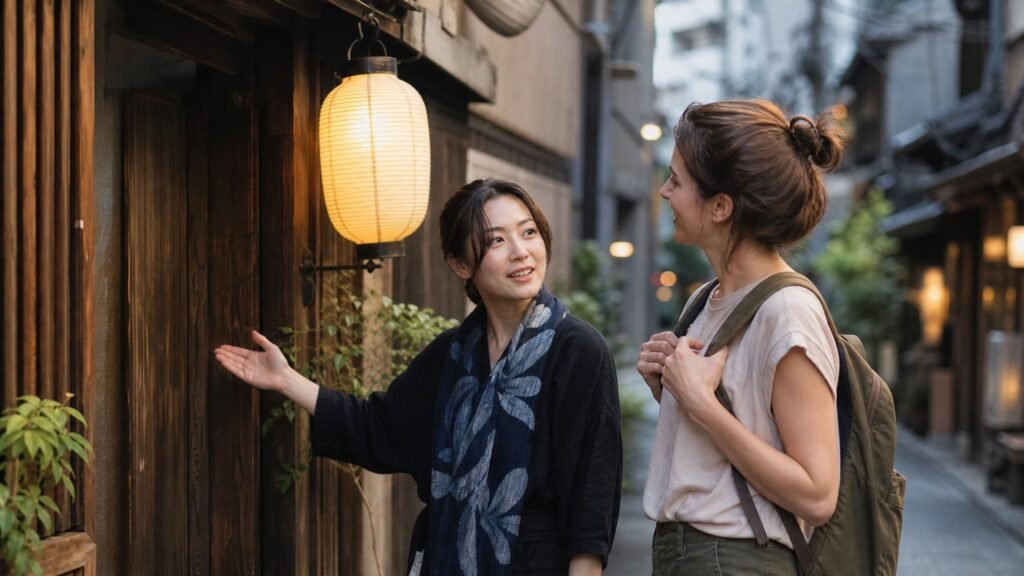
Local guides operate differently. They have standing relationships with vendors and chefs built over months and years. They know when the tuna delivery arrives, which stall makes the best tamagoyaki on a given morning, and which izakaya owner will let a small group try the off-menu daily special. Corporate operators follow a script; local guides follow the market.
What guide credentials really mean for your experience
Credentials aren’t just a certificate on a wall. When we talk about guide credentials, we mean: Does this person live in the neighborhood? Do they have a personal relationship with the vendors they visit? Can they explain why a dish is prepared a certain way, the regional history, the seasonal reasoning, the generational technique?
Culinary tourism researchers consistently find that traveler satisfaction on food tours correlates most strongly with guide authenticity: whether the guide can provide genuine cultural context, not just name ingredients. Before booking any tokyo street food tour, ask your operator: “How long has this guide been working with these specific vendors?” A vague answer tells you something important.
At Washoku Club City, our guides aren’t hired seasonally. They are Tokyo locals who have built these relationships across our 12+ years of operation. That depth is something no directory listing can replicate.
Tokyo Street Food Tour: Neighborhood Breakdown
Shinjuku & Omoide Yokocho: smoky skewers and old Tokyo atmosphere
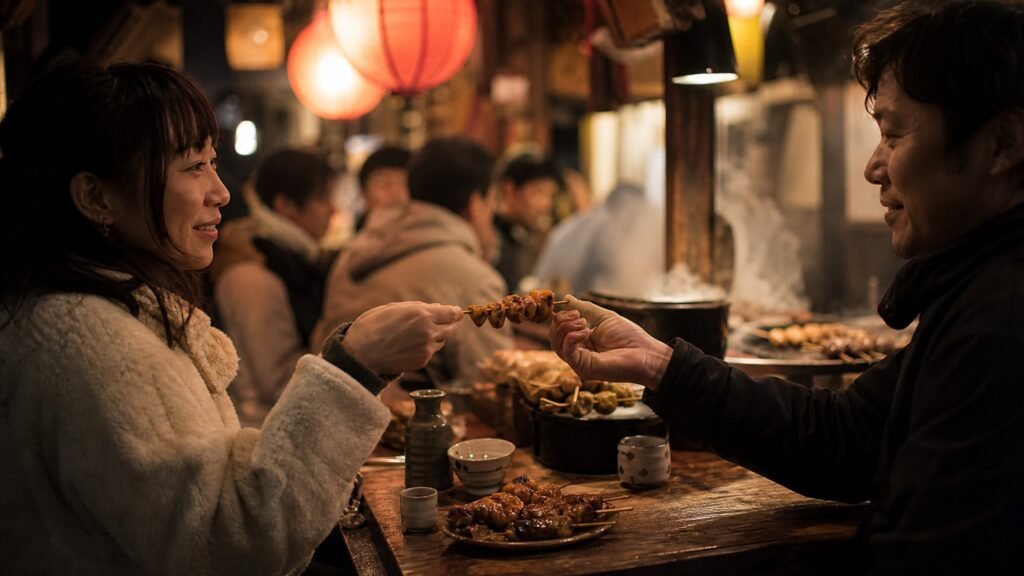
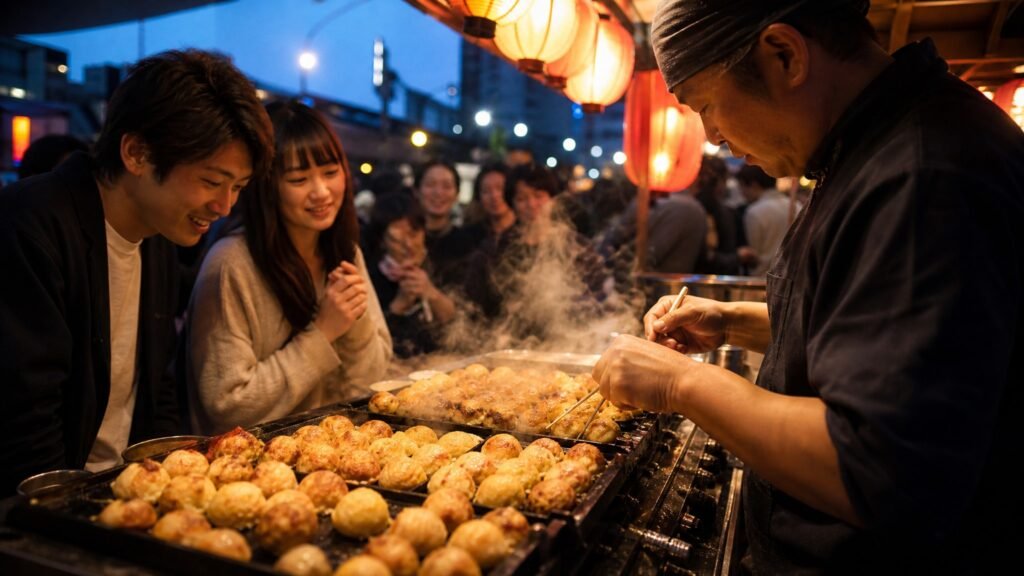
Omoide Yokocho, “Memory Lane”, is a narrow postwar alley just west of Shinjuku Station, lined with tiny yakitori stalls that seat as few as eight people each. The smoke from charcoal grills drifts into the lane, mixing with the smell of soy-glazed chicken skin and cold beer. This is old Tokyo compressed into a single block.
Large tour groups cannot enter meaningfully. The physics don’t work. A tokyo walking food tour with six or eight people, however, can slide onto the counter stools, watch the grill master work, and eat tsukune (chicken meatball skewers) and negima (chicken and leek) alongside the after-work crowd. That’s the experience. Shinjuku also rewards wandering into the surrounding Kabukicho and Golden Gai areas, where more than 200 tiny bars and snack stalls occupy a grid of narrow lanes, each one a potential discovery with a guide who knows the owners.
Asakusa & Nakamise: tempura, ningyo-yaki, and craft snacks
Asakusa carries a different energy, older, more ceremonial, with Senso-ji temple anchoring the neighborhood and Nakamise shopping street stretching toward its gates. The street food leans traditional: freshly pressed ningyo-yaki (small sponge cakes shaped like figures, filled with sweet red bean paste), crispy age-manju (deep-fried sweet buns), and some of Tokyo’s finest kakiage tempura served at counters that have been in the same family for generations.
A good local food guide tokyo visitors trust won’t just walk you past these stalls. They’ll tell you which ones have been operating since before the war, how the tempura batter differs from Kyoto-style, and where to find the Asakusa craft vendors who supply local restaurants with dashi-flavored snacks rarely sold to tourists. The neighborhood rewards slow walking and curiosity.
Shibuya & Shimokitazawa: modern bites and izakaya culture
Shibuya is where Tokyo’s food scene shows its contemporary side. Around the backstreets south of the scramble crossing, small restaurants stack up in unmarked buildings, basement izakayas, standing ramen bars, Korean-Japanese fusion counters. A tokyo walking food tour through this area at dusk captures the city at its most alive.
Shimokitazawa, a short train ride west, adds a creative-neighborhood dimension: natural wine bars, craft curry houses, and izakayas that attract a younger local crowd. Food meets subculture here, and a guide with personal roots in the area makes all the difference between eating at the obvious spots and finding the table that locals actually fill on a Tuesday night.
Tsukiji Market Tour: Still Tokyo’s Most Iconic Food Stop
The wholesale fish market moved to Toyosu in 2018, but the Tsukiji outer market never closed, and in 2026, it is thriving. More than 400 specialty vendors still operate daily in the outer market’s covered lanes, selling fresh seafood, pickles, dashi ingredients, cookware, and knife-sharpening services alongside the breakfast stalls that have become a pilgrimage for food travelers worldwide.
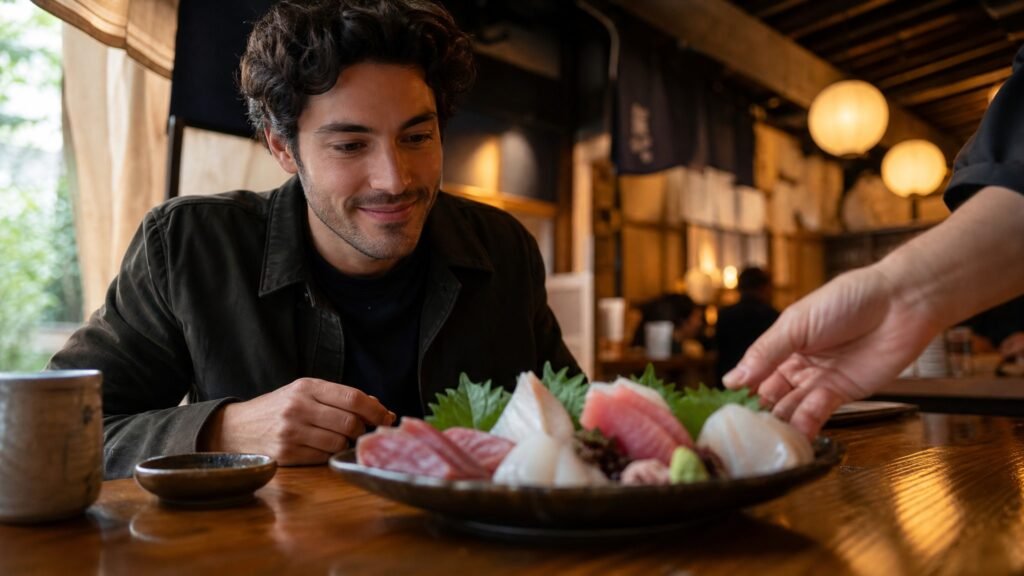
A tsukiji market tour in the morning hours (ideally arriving before 9 a.m.) rewards visitors with sushi sets at storied counters, thick slices of fresh uni on rice, and the best tamagoyaki, sweet, layered egg omelette, you will eat anywhere in Japan. The vendors here are specialists; many have been trading the same product for decades. With a knowledgeable guide, you’re not just eating: you’re hearing why this particular bonito supplier is trusted by Michelin-starred restaurants, or why the knife maker in the back row has a six-month waiting list.
The outer market is open to the public every day, which means you can visit independently, but the difference between wandering and understanding is the guide standing next to you explaining what you’re tasting and why it matters. It’s one stop we always anchor our morning itineraries around.
Authentic Food Tour Tokyo: Small Groups vs. Large Bus Tours
Group size and how it shapes what you can eat and explore
This is the comparison most booking platforms don’t make clearly enough. A large bus tour with 25+ people is physically limited to restaurants with space and speed. That means tourist-facing establishments designed for throughput: fixed menus, pre-agreed portions, minimal interaction with the chef. The food is often fine. The experience is rarely memorable.
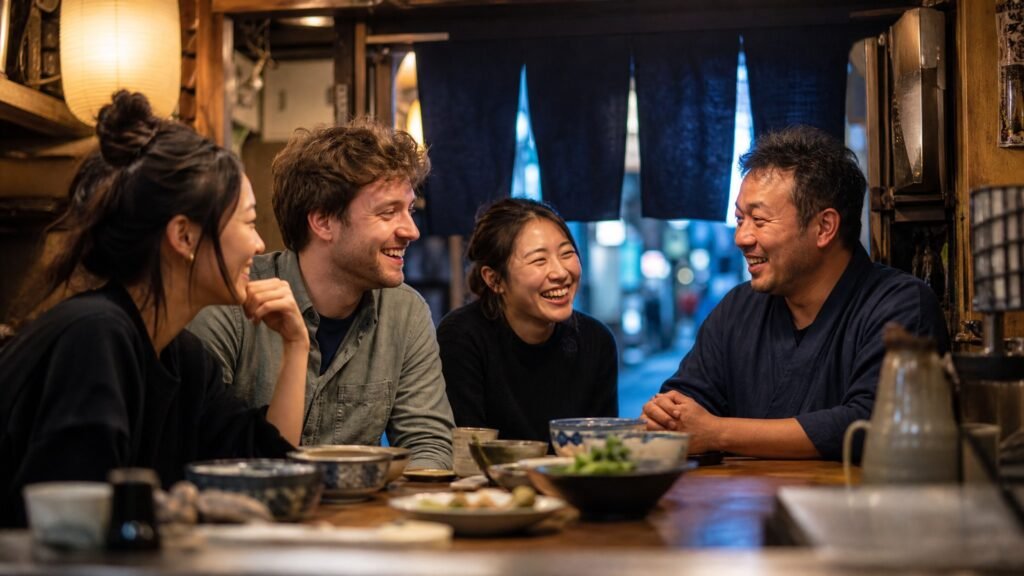
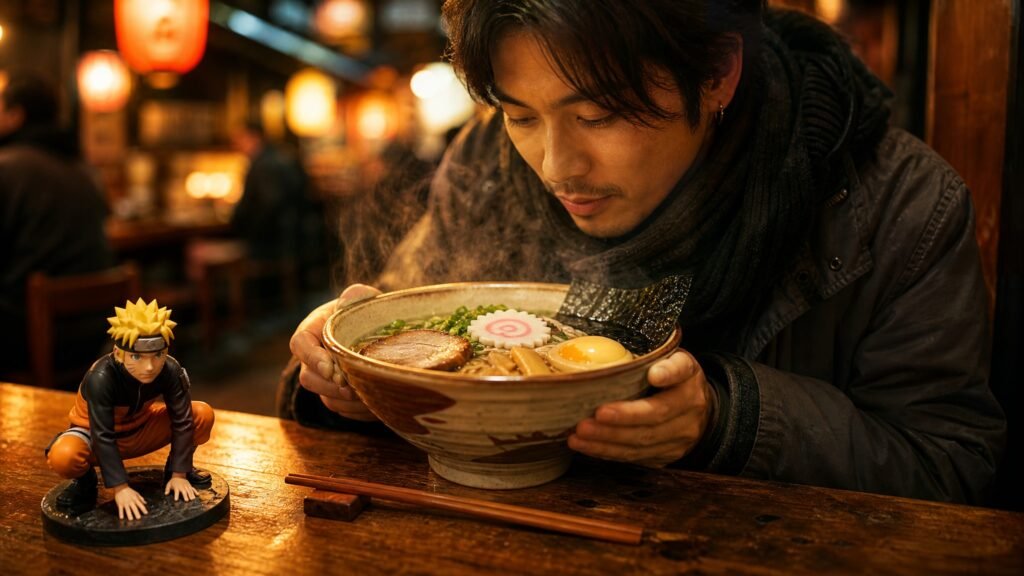
An authentic food tour tokyo with six to eight people enters a different category of venue entirely. Counter seats at a standing sushi bar. A backroom table at a family-run izakaya with no English menu. A ramen shop where the owner explains the 18-hour broth because your guide has eaten there a hundred times and they trust each other. Small groups move faster, eat more, and go deeper.
How customization unlocks hidden gems
The other structural advantage of a small local food guide tokyo experience is flexibility. If someone in your group loves yakitori but is skeptical of raw fish, a good local guide adjusts on the day, not by skipping Tsukiji, but by finding the tamagoyaki and the grilled scallops rather than defaulting to sashimi. If you want to spend an extra 20 minutes watching a noodle-maker work, you stay.
At Washoku Club City, we build itineraries with that flexibility baked in. We cap group sizes to preserve access to the small venues that define real Tokyo eating, and our guides have the local knowledge to pivot based on what looks best that morning at the market or which stall has a line worth waiting in.
Full Day Food Tours in Tokyo: What a Great Itinerary Looks Like
7:30 a.m. Tsukiji outer market. The lanes are busy but not yet packed. You eat a sushi breakfast at a four-seat counter, follow it with a tamagoyaki stick still warm from the pan, and your guide introduces you to the dashi vendor who supplies half the restaurants in Ginza. You leave understanding the market, not just having photographed it.
11:00 a.m. Neighborhood izakaya lunch. A lunch-service izakaya in Asakusa or Ueno, the kind with a handwritten daily menu and a proprietor who’s been cooking the same seasonal teishoku set for 30 years. Cold Sapporo draft, pickled vegetables, grilled fish, rice. Simple and exactly right.
2:00 p.m. Afternoon street snacking in Asakusa or Yanaka. Ningyo-yaki from a hundred-year-old shop, warabi mochi dusted with kinako, a small cup of matcha from a vendor who roasts their own leaves. The afternoon is for grazing and wandering, your guide knows which lane turns into a dead end and which opens onto a covered shotengai shopping street.
5:30 p.m. Early evening in Shinjuku. The charcoal fires in Omoide Yokocho are lit by now. You take two stools at a yakitori counter, order negima and tsukune and a cold Asahi, and watch the grill master work in a space the size of a large wardrobe. This is the moment most guests say they’ll remember longest.
A well-designed full day reads like that, varied in rhythm, anchored in specific places and dishes, and shaped by a guide who knows when to explain and when to let the food speak.
How to Choose and Book the Right Tokyo Food Tour
Here’s a practical checklist before you confirm any booking:
- Group size cap, Ask the maximum number of guests. Anything above 12 starts to limit venue access. The best local operators cap at 6–8.
- Guide background, How long has this specific guide lived in Tokyo? Do they have ongoing relationships with the vendors on the route?
- Dietary accommodation, Can they genuinely adapt for vegetarians, shellfish allergies, or halal requirements, or do they just say yes and hope for the best?
- Cancellation policy, A flexible operator signals confidence in their product. Look for free cancellation up to 24–48 hours before departure.
- What’s included, All tastings? Drinks? Transportation between neighborhoods? Get this in writing.
The best food tour tokyo experience is one where you finish the day feeling like you ate with locals, not like you completed a checklist. That’s the standard we hold ourselves to at Washoku Club City.
If you’re ready to eat Tokyo the way it deserves, browse our Tokyo food tours at Japan Local and Fun Experiences, small groups, locally-rooted guides, and itineraries built around the neighborhoods and dishes that make this city the most extraordinary place in the world to eat.