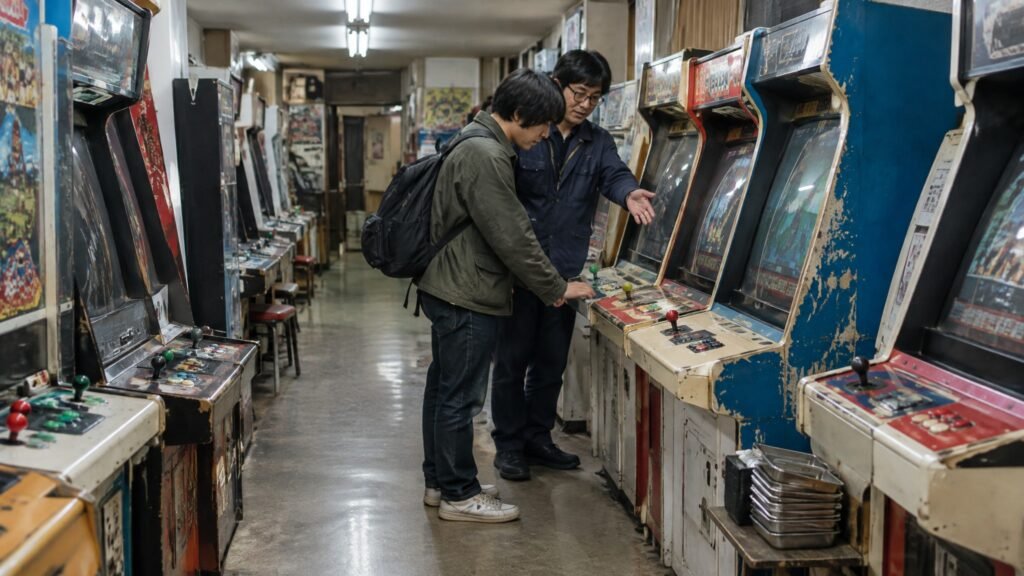
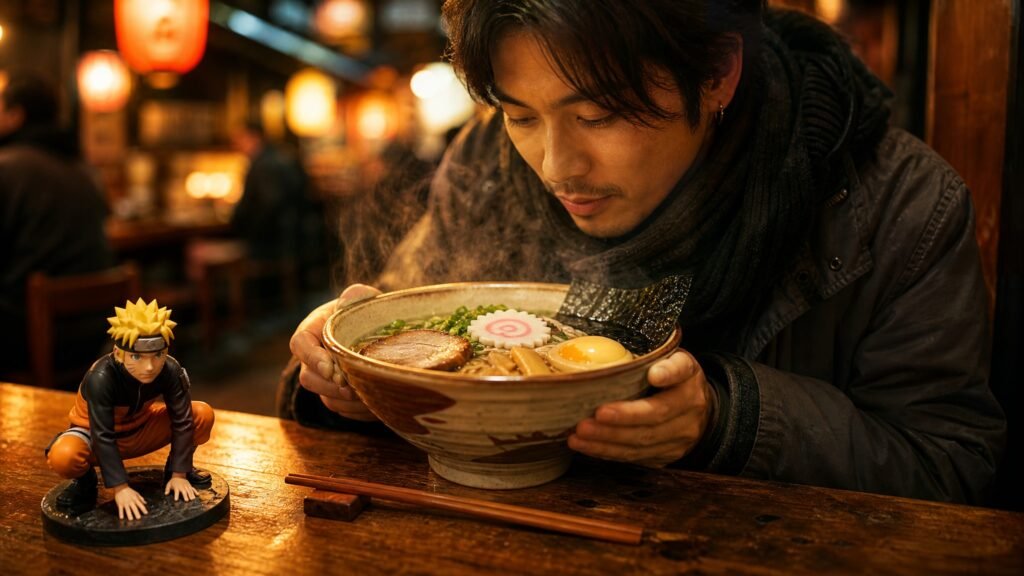
Our local guides at Washoku Club City have accompanied anime fans to locations across Tokyo, Kyoto, and rural Gifu, and the moment a guest stands at the exact staircase or shrine gate they recognise from a scene is, without fail, the highlight of their trip. That feeling has a name in Japanese: seichi junrei (聖地巡礼), or “sacred place pilgrimage.” If you’ve ever wanted to walk inside your favourite anime, Japan’s real-world anime pilgrimage sites are waiting for you.
What Is an Anime Pilgrimage, and Why Japan Fans Are Obsessed
Seichi junrei literally means “sacred place pilgrimage,” but for anime fans it means something specific: travelling to the real locations that inspired, or directly appeared in, a beloved series. Directors like Makoto Shinkai photograph actual streets, train stations, and shrines before rendering them into animation. The result is an uncanny overlap between fiction and reality.
This isn’t just fan tourism. Standing at the real Shinjuku staircase from Your Name, or looking up at Asakusa’s Senso-ji just as Tanjiro did, carries a genuine emotional charge. Japan’s anime tourism sector has grown steadily over the past decade. Regional tourism boards from Gifu to Oita now produce official anime pilgrimage maps to guide visiting fans, and the Japan Tourism Agency actively promotes contents tourism as a pillar of inbound travel.
For international visitors, anime pilgrimage sites in Japan are also an extraordinary gateway into the country, neighbourhoods, shrines, countryside towns, and everyday train platforms you might never have explored otherwise.
Top Anime Pilgrimage Sites in Japan (by Series)
Your Name Anime Locations: Tokyo’s Shinjuku & the Hida-Furukawa Countryside
The two hearts of Your Name (Kimi no Na wa) are Tokyo and rural Gifu Prefecture. In Tokyo, the Suga Shrine staircase in Shinjuku is the film’s most iconic spot, Taki and Mitsuha’s reunion plays out here, and you’ll often find fans quietly recreating the scene. Take the Tokyo Metro to Yotsuya Station (Marunouchi or Nanboku Line) and walk about 10 minutes west. Also nearby: the Shinjuku skyline views and Yotsuya’s quiet backstreets, which appear throughout the film.
Hida-Furukawa in Gifu Prefecture is widely recognised as the primary real-world inspiration for the rural town in the film, drawing fans from across Asia ever since its 2016 release. Reach it via the JR Takayama Line from Nagoya (about 2.5 hours) or from Toyama. The town’s old townscape, sake breweries, and carp-filled canal are almost exactly as animated. Guided tours pairing Hida-Furukawa with Takayama make this a full countryside pilgrimage, ask us about multi-day itineraries.
Demon Slayer Anime Spots: Asakusa & the Wisteria Tunnel at Kawachi Fuji Gardens
Asakusa’s Senso-ji temple district and the Azuma Bridge area are a key real-world backdrop in Demon Slayer: Kimetsu no Yaiba, reachable in under 30 minutes from central Tokyo via the Tokyo Metro Ginza Line to Asakusa Station. The Nakamise shopping street and the view across the Sumida River match the Taisho-era aesthetic of the series closely, early morning visits capture the atmosphere best before crowds arrive.
Beyond Asakusa, fans visit the Kawachi Fuji Gardens in Kitakyushu (Fukuoka Prefecture) for its famous wisteria tunnel, which closely mirrors the wisteria barrier from the series. It’s reachable by taxi from Yahata Station on the JR Kagoshima Line. The wisteria blooms in late April and early May, so plan your dates accordingly. A guided Demon Slayer tour can combine Asakusa with other Taisho-era districts like Yanaka for a richer half-day.
Jujutsu Kaisen Filming Locations in Japan: Shibuya & Shinjuku’s Hidden Corners
Jujutsu Kaisen is set almost entirely in Tokyo, making it one of the most accessible series for pilgrimage. The Shibuya arc maps directly onto real Shibuya streets. Shibuya Crossing, Shibuya Station’s underground corridors, and the area around Dogenzaka appear throughout the series. Take the JR Yamanote Line or Tokyo Metro to Shibuya Station.
Shinjuku’s east side, including the areas around Kabukicho and Shinjuku-sanchome, feature heavily in earlier episodes. The Tokyo Metropolitan Government Building, visible from many Shinjuku vantage points, also appears in the background of key scenes. All of these locations are within walking distance of each other, making Shibuya–Shinjuku a natural half-day circuit. No dedicated official tour exists yet, so a knowledgeable local guide makes a real difference in finding the specific alleys and angles that match the animation.
Anime Shrine Locations: Fushimi Inari, Meiji Jingu & Beyond
No list of anime shrine locations is complete without Fushimi Inari Taisha in Kyoto. Its thousands of vermilion torii gates appear in or inspire imagery across dozens of anime and manga titles, often as a shorthand for the mysterious, the spiritual, or the liminal. Visitors who arrive at dawn or on a weekday have the lower gates nearly to themselves. Reach it via the JR Nara Line to Inari Station, right at the shrine entrance.
In Tokyo, Meiji Jingu in Harajuku has appeared in multiple anime as the archetypal urban shrine, forested, serene, and surprisingly vast. It’s a 5-minute walk from Harajuku Station on the JR Yamanote Line. For fans of Noragami, the Kanda Myojin shrine in Akihabara is the show’s most direct real-world counterpart and is free to enter. Guided anime shrine visits benefit enormously from a guide who can explain Shinto ritual etiquette alongside the anime references.
Travel Logistics: Getting to Anime Locations in Japan
IC Cards, JR Pass & Getting Around on the Train
For urban anime pilgrimage sites in Tokyo, Kyoto, and Osaka, an IC card (Suica in Tokyo, ICOCA in the Kansai region) is the single most useful tool you’ll carry. Load it at any airport or station kiosk, tap in and out at subway and JR gates, and use it to pay at convenience stores too. It removes the need to buy individual tickets and works across virtually all urban rail networks.
If your pilgrimage spans multiple cities, Tokyo for Jujutsu Kaisen, Kyoto for anime shrine locations, and Gifu for Your Name, a JR Pass covers the Shinkansen and most JR lines between cities and pays for itself quickly on a multi-city trip. Buy it before you travel; it cannot be purchased inside Japan. For rural spots like Hida-Furukawa, local JR lines are included in the pass.
Best Time of Year to Visit
Spring (late March to early May) and early autumn (September to early November) are the sweet spots. Crowds at famous anime locations in Japan are real, Suga Shrine on a summer weekend can feel like a queue rather than a pilgrimage. Shoulder seasons give you better light for photos, more comfortable temperatures, and a calmer atmosphere at shrines. If spring is your target, pair your trip with our Tokyo cherry blossom guide, many anime pilgrimage neighbourhoods like Shinjuku Gyoen and the Meguro River are spectacular in bloom.
Summer visits are entirely possible but require early starts (before 8am at popular spots) and good heat management. Winter brings quieter crowds and beautiful light at shrine locations, Fushimi Inari in January is genuinely magical.
How a Guided Anime Tour Unlocks What Solo Travel Misses
You can absolutely visit anime pilgrimage sites in Japan on your own, the train access is good, and fan wikis document many spots in detail. But solo travel has a gap that surprises most first-timers: finding the exact angle.
A scene might be set on a specific side of a bridge, at a particular time of light, facing a direction that isn’t obvious from a map. Our local guides know which alley in Shibuya matches the Jujutsu Kaisen background art, which stone lantern at Fushimi Inari lines up with the poster image, and which corner of Asakusa gives you the Taisho-era feeling without modern signage in frame. That insider knowledge transforms a location visit from “I found it” to “I’m in it.”
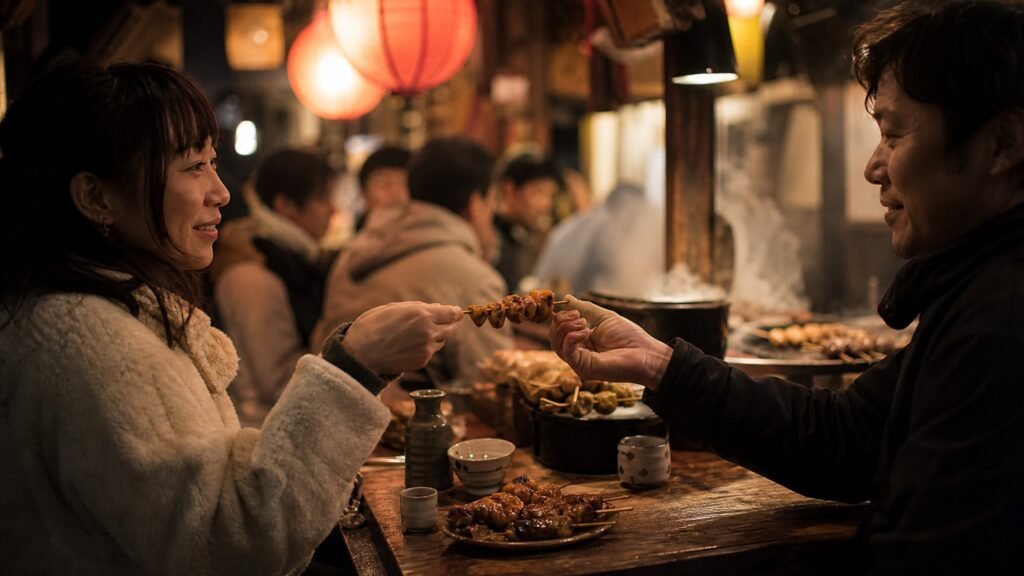
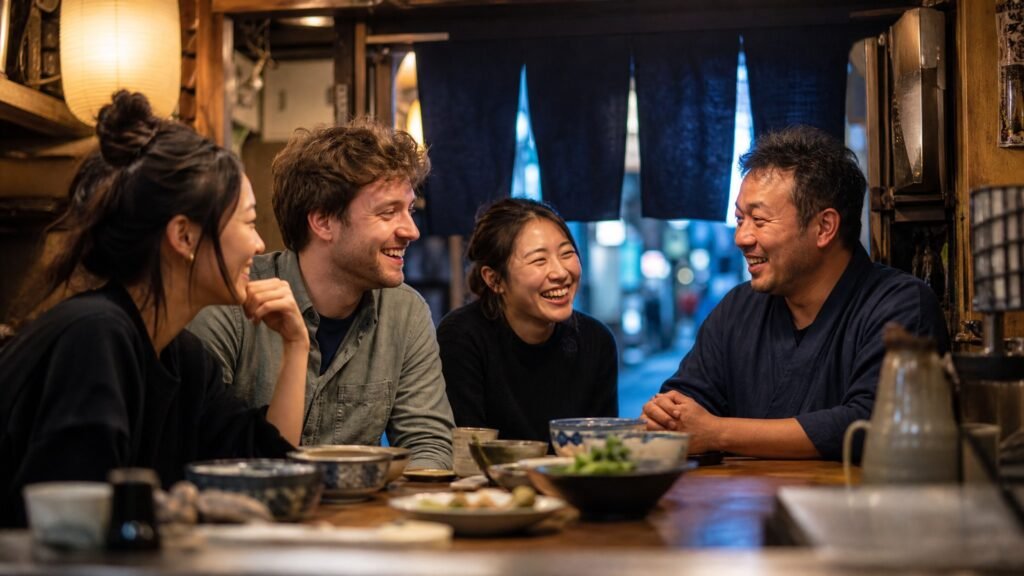
Guided tours also solve the language barrier at rural spots, Hida-Furukawa locals are warm and welcoming, but English signage is limited. And a good guide builds in the neighbourhood food stops that make a pilgrimage feel like a full day in Japan, not just a checklist. Pair your anime tour with a guided food tour through Tokyo’s most iconic neighbourhoods and you cover culture, fandom, and flavour in one trip.
If you’re planning a private day tour or a multi-day anime pilgrimage itinerary, get in touch with us at Japan Local and Fun Experiences, we build bespoke routes around your watchlist.
Plan Your Anime Pilgrimage: Tips from Our Local Guides
We’ve guided enough anime pilgrims to know what separates a great trip from a frustrating one. Here’s our practical checklist:
- Screenshot the scene. Download images of the specific frames you want to recreate before you leave home. On-site comparison is half the fun, and essential for finding the right angle.
- Download offline maps. Google Maps offline works well in Tokyo; in rural Gifu, it’s sometimes the only reliable navigation. Download your maps on hotel Wi-Fi the night before.
- Start early at popular spots. Suga Shrine, Fushimi Inari, and Asakusa all get crowded by 10am. Arriving at opening time gives you cleaner photos and a quieter experience.
- Respect shrine etiquette. At anime shrine locations, follow standard Shinto practice: bow at the torii gate, use the temizuya (water basin) to rinse your hands, and keep voices low. Shrines welcome visitors but are active places of worship.
- Combine neighbourhoods smartly. Shibuya and Shinjuku are 10 minutes apart on the Yamanote Line, they make a natural full-day Jujutsu Kaisen circuit. Asakusa pairs perfectly with Ueno and Akihabara for a Taisho-meets-otaku-culture day.
- Budget extra time in rural areas. Hida-Furukawa is a half-day minimum; most fans wish they’d stayed the night in Takayama to explore properly.
- Book a guided tour for at least one day, especially for your most anticipated location. The difference between finding a spot and truly experiencing it is usually a knowledgeable local standing next to you.
Anime pilgrimage sites reward the prepared traveller. With the right logistics, the right timing, and a local guide in your corner, these locations deliver something genuinely rare: the feeling that fiction and reality are, for a moment, the same place.