Most anime trips to Japan follow the same script. You land in Tokyo, wander Akihabara, and head home with a suitcase full of figures. We love that route, and we run it ourselves. But if your plans include a train south, Kyoto deserves a full anime day of its own.
Kyoto isn’t Tokyo with temples. Its anime and manga sites are fewer, more spread out and often quieter, and that changes how you plan a day around them.
Why Kyoto Makes the Best Anime Tour Beyond Tokyo
In our experience, anime guides lean heavily on Tokyo, and Kyoto gets a paragraph at the end. Fan write-ups about Uji and Kyoto Animation do exist, so Kyoto isn’t empty territory. What’s harder to find is one plan that links the pilgrimage spots, the arcades, the cafes and the manga museum into a day that works on foot and by train.
For this guide, “best” means three things: a real tie to a series or studio, a stop that visitors can actually enter, and a route that works on foot or by rail. Here are the picks we build a Kyoto day around:
- Uji and the Hibike! Euphonium trail. The strongest anime stop in the Kyoto area.
- Retro arcades and game centers. A slower counterpoint to Tokyo’s gaming towers.
- Manga cafes. The cooldown leg of the day.
- Themed cafes and seasonal events. Worth timing around the calendar.
- Kyoto International Manga Museum. The central anchor for reading and browsing.
- Teramachi and Shinkyogoku arcades. A covered browsing stretch between stops.
Kyoto Anime Spots Start in Uji: Following the Hibike! Euphonium Trail
Uji is the setting of Hibike! Euphonium and sits a short train ride south of Kyoto city, under half an hour from Kyoto Station. Kyoto Animation, the studio behind the series, is closely tied to the area, which is why fans treat Uji as the heart of any Kyoto anime day.
Hibike! Euphonium Locations Worth a Slow Walk
The core of the trail is walkable. From Uji Station you reach the river in a few minutes, and the riverside path and Uji Bridge give you the open, calm scenery that the series uses so often. Byodo-in is within walking distance too, and its Phoenix Hall is the building you see on the back of the 10-yen coin.
Take your time here. The trail rewards a slow pace, because many scenes rely on quiet details like water, light and the rhythm of the bridge, and they feel flat if you rush past. If you want a view, the Daikichiyama lookout above the town is linked to one of the series’ best-known scenes between Kumiko and Reina.
Before you go, match each spot to its episode scene and check current access and opening times, especially for Byodo-in and anything on a hillside. Paths close, signs change and weather can shut a viewpoint. A matcha stop afterwards is easy to fit in, since Uji is famous for its tea.
Respecting Kyoto Animation’s Studios and Staff
Kyoto Animation’s studios are working offices, not attractions. The company’s Kyoto studio was the target of an arson attack in 2019, and the people who work there deserve privacy and peace.
So we send fans only to public places: the bridge, the river, the temple grounds and the streets the series draws on. We never pitch studio visits, and we’d ask you not to go looking for them. Please keep your photos to the public landscape and leave the buildings out of them.
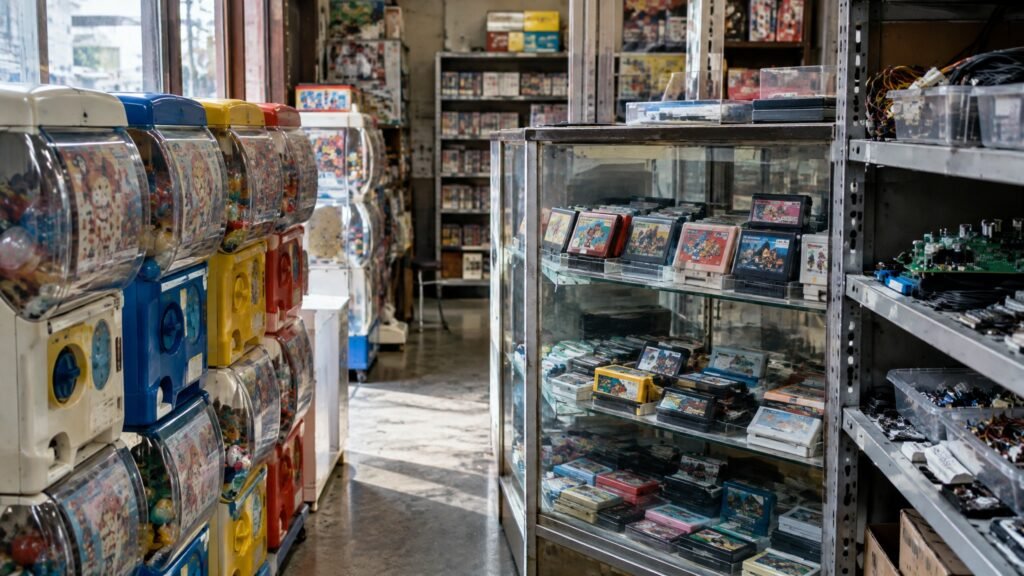
Retro Arcades and Game Centers Worth a Detour
Tokyo’s gaming scene is huge and loud, with whole towers of cabinets stacked floor on floor. Kyoto’s is smaller and more scattered, and that suits a day that already includes shrines and slow walks. If you want the loud version for comparison, our guide to retro arcades and gamer hangouts in Tokyo covers it.
Arcades open, close and swap their lineups faster than temples do, so any fixed list goes stale quickly.
Finding Kyoto’s Retro Cabinets Without the Guesswork
We only add an arcade to a route once we’ve confirmed it’s open and has classic cabinets on the day. That’s why we don’t publish a long list of names here, and you shouldn’t trust one that does.
Check the venue’s own website or social page the morning you plan to go, and ask your guide to confirm whether the machines you care about are still on the floor. Plan on an hour or so rather than half a day, and put it late in the afternoon, when your legs have had enough of walking.
Manga Cafes and Themed Cafes: Where Kyoto Fans Sit Down
After a morning on your feet, you’ll want a chair. Kyoto’s cafes are where the day slows down, and they’re also where you see how locals actually read and relax.
Kyoto Manga Cafe Tour Stops: Booths, Hours and Quiet Reading
A manga cafe is part library, part lounge. You usually pay for time rather than for a drink, and shelves of volumes sit alongside a self-serve drink bar. The details vary by venue, so expect some variation, but most offer a few seating styles:
- Open seats at a reading counter or in a shared room, which are the cheapest and least private.
- Flat or reclining booths where you can stretch out, usually with a cushion or mat.
- Private booths with partitions or doors, good for reading in peace or just recharging.
Quiet is the rule. Keep your voice low, silence your phone, and don’t take manga out of its zone or photograph the pages. Many venues ask you to register at the desk before you enter, so carry ID in case.
Hours and formats change, and some places shift their pricing or close without much notice. Confirm that a venue is still operating by checking its official site or current map listing on the day, and if you’re booked with a guide, ask them to call ahead. A manga cafe works best as the cooldown stop, so we place it in the late afternoon, after the walking is done.
Anime Experiences in Kyoto: Themed Cafes and Seasonal Events
Themed cafes are mostly seasonal and event-driven. A cafe may run a collaboration with a series for a few weeks, with special drinks, coasters or art, and then return to its regular menu. That’s why we can’t hand you a dated menu here, and why we describe formats rather than promising a specific item.
What you can expect is a little pageantry: decor tied to a title, limited goods, and often timed entry or a reservation. Popular collaborations can have queues, so build slack into your day. Kyoto’s event calendar also matters, because festivals, new releases and school holidays all change what’s running and how crowded it is. Before you lock in a date, check what’s on, then plan the cafe around it rather than the other way round.
Otaku Culture in Central Kyoto: Manga Museum and Shopping Arcades
For a Kyoto otaku culture tour, the Kyoto International Manga Museum in Nakagyo Ward is the natural anchor. It holds a large manga collection that visitors can read on site, so you can browse the shelves rather than just look at them behind glass. Check the museum’s official site for current opening days and reading-room access before you go, since both can change.
Leave time to sit down with a volume. You won’t get much from the museum at a sprint.
Then walk outward. The Teramachi and Shinkyogoku covered shopping streets are close by in central Kyoto, and they work well for browsing manga, collectibles and small shops between stops, rain or shine. Stock changes constantly, so treat anything you hope to find as a bonus rather than a promise. If you’re after a specific rare item, this isn’t the place to count on it.
Pairing a Tokyo Pilgrimage With an Anime Themed Tour in Kyoto
Tokyo packs its anime stops tightly: shops, cafes and landmarks within a few train stops of each other. Kyoto asks for more movement and less rushing. Your value here comes from transport and sequencing, so it’s worth planning both before you land.
Sequencing Tokyo and Kyoto on One Trip
The bullet train between the two cities takes roughly two and a half hours, so you can leave Tokyo after breakfast and be in Kyoto by lunch. That makes the move easy to fit into a single travel morning.
Which city first? Go Tokyo-first if you want the biggest, most intense hit early and a gentler wind-down in Kyoto, which suits most first-time visitors. Go Kyoto-first if you’d rather ease into Japan with quieter streets and save Tokyo’s crowds for the end. If you’re sketching the Tokyo side now, our full-day Tokyo anime guide shows what the pilgrimage already covers, and our anime tour in Japan for adults page widens the picture.
Kyoto needs at least one full day, and two is more comfortable. One day gives you Uji plus a cafe. Two days add the museum, the arcades and some breathing room.
A Two-Day Kyoto Anime Route With Temple Breaks
Here’s the shape we like.
Day one: Uji. Start early at Uji Station and walk to the river and Uji Bridge. Continue to Byodo-in, then follow the Hibike! Euphonium spots you’ve matched to the episodes. Take a matcha break, then return to central Kyoto for a retro arcade stop in the late afternoon, if one is confirmed open.
Day two: central Kyoto. Begin at the Kyoto International Manga Museum, then browse Teramachi and Shinkyogoku. Pause at a themed cafe if something seasonal is running, and finish at a manga cafe for a quiet cooldown. In between, add a temple or hillside break. If you like to walk, our notes on Kyoto hiking routes beyond Fushimi Inari show how to fit a trail into the day.
Please keep cosplay and photo poses out of Gion’s lanes and out of temple grounds. These are residential and religious spaces, and a costume that works in a cafe doesn’t belong there.
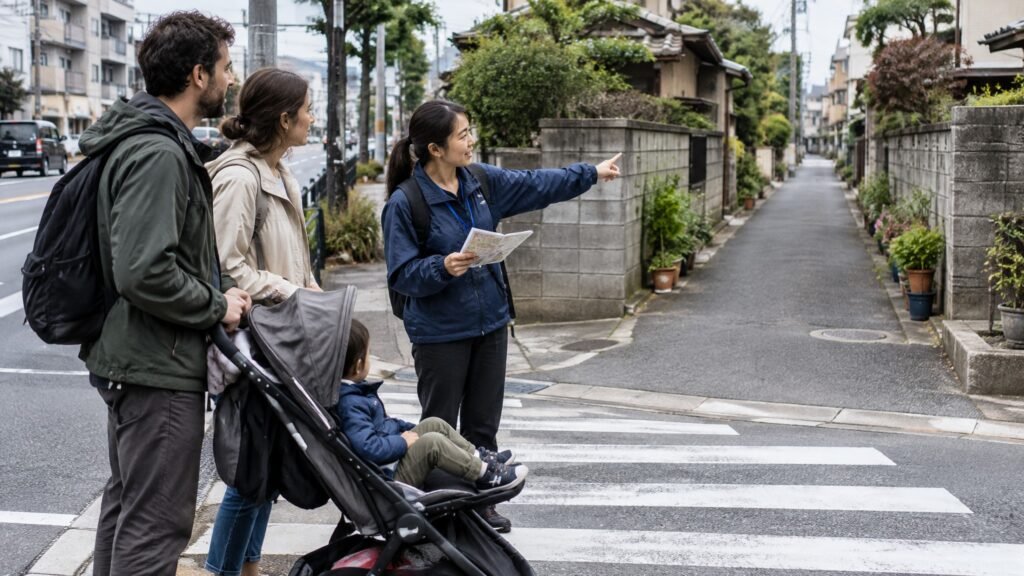
Booking Your Kyoto Anime Day With a Local Guide
We’ve run food tours, cultural experiences, private day tours and multi-day packages across Japan for more than 12 years, and anime and pop culture are one of our core themes. A private guide can shape a Kyoto day around your interests: the pace, how deep the anime talk goes, which hours you keep and which stops you swap in or out.
Timing matters. Kyoto’s busy stretch runs from autumn foliage into the spring 2027 cherry blossom season, and guides and dates fill fast. Book early, and you protect both your travel date and the guide you want.
What to Ask Your Guide Before You Book
You’ll get more from a guide if you ask a few things up front:
- Pace. Is the day relaxed or packed, and how much walking is involved?
- Anime knowledge. Does the guide know your series well, or just the famous ones?
- Flexibility. Can stops be swapped on the day if an arcade is closed or a cafe is full?
- Confirmation. Who checks that venues are open before you set out?
For a longer checklist, see what to look for in a private guide. If you also want food built in, here’s a customized itinerary for foodies and anime fans. And if you’re still comparing operators, how to choose a Kyoto private tour company is the next step.
Send us your travel dates, your favorite series and how many free days you have in Kyoto, and we’ll have a local guide shape the route with you.
Frequently asked questions
How many days do I need for an anime tour in Kyoto?
One full day covers Uji and a cafe stop. Two days let you add the Kyoto International Manga Museum, Teramachi and Shinkyogoku, an arcade and a temple or hillside break without rushing.
Can I visit Kyoto Animation’s studios?
No. The studios are working offices, and the company’s Kyoto studio was the target of an arson attack in 2019. We only send fans to public places like Uji Bridge, the riverside and Byodo-in, and we never pitch studio visits.
How do I know a manga cafe or themed cafe is still open?
Check the venue’s official website or social page, or its current map listing, on the day you plan to go. Hours, pricing and seasonal collaborations change often. A private guide can also call ahead for you.
Should I do Tokyo or Kyoto first on an anime trip?
Go Tokyo-first if you want the most intense anime stops early and a calmer finish. Go Kyoto-first if you’d like to ease in and save the crowds for the end. The bullet train between the two takes roughly two and a half hours.
When should I book a guide for Kyoto?
As early as you can. Kyoto’s busiest stretch runs from autumn foliage into the spring 2027 cherry blossom season, and both dates and guides fill fast. Booking early protects your date and the guide you want.