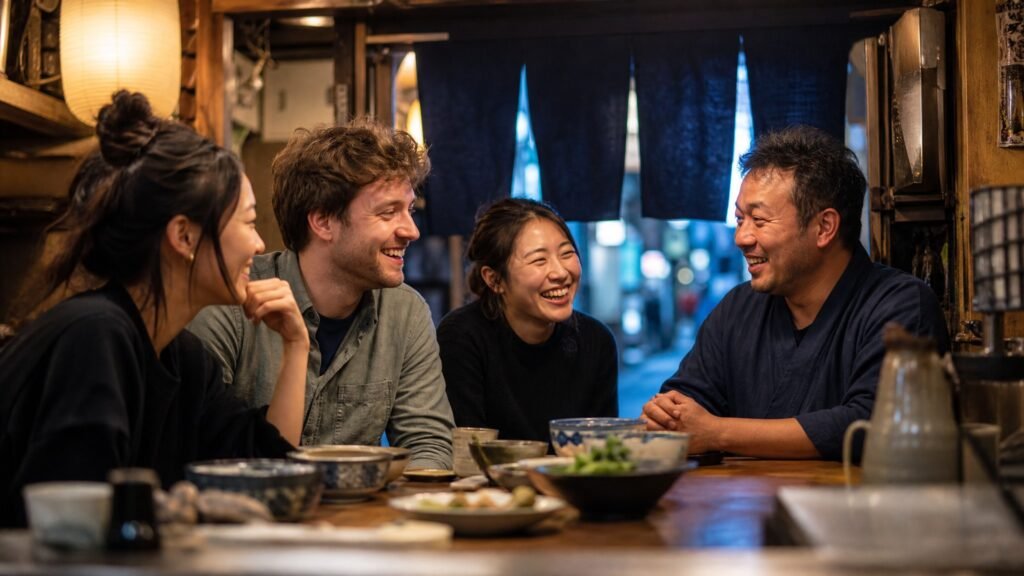
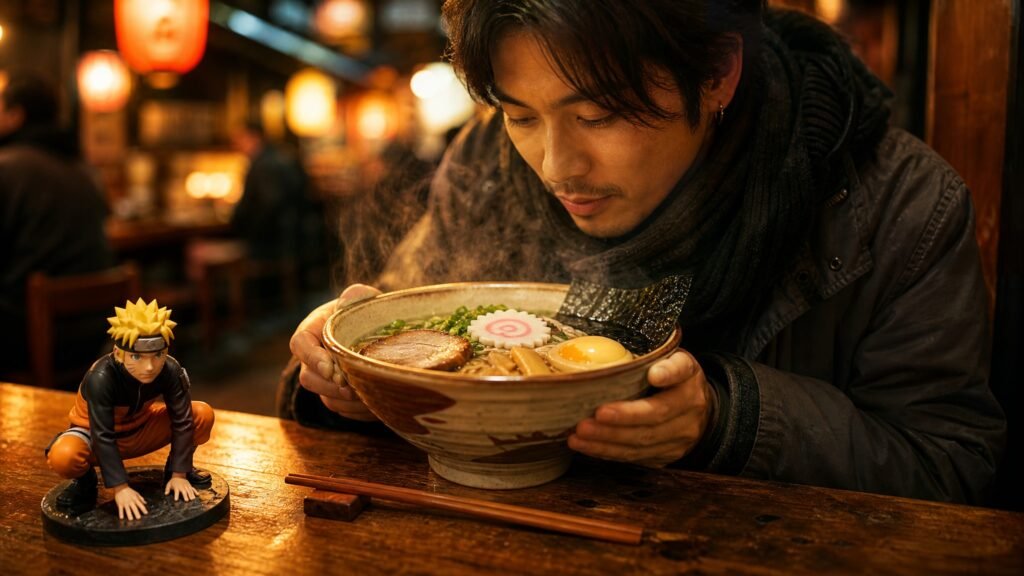
Tokyo is big enough to swallow a first visit whole. Every district has its own mood, the train map looks like a bowl of noodles, and everyone you know has a different “must-see” list.
We’ve spent over 12 years helping visitors find their feet here, and we’ve learned that newcomers don’t need the whole city in one day. They need a clear first look, a few stops that stick, and a local who knows when to slow down. That is what a well-planned Tokyo day tour for first-time visitors gives you, and this guide shows how to build one.
Why a Tokyo Day Tour Suits First-Time Visitors
A first time in Tokyo tour works best as orientation plus a highlight reel. You see how the city fits together, you taste a few of its best-known corners, and you leave knowing where you want to spend more time.
It is not a complete visit, and it shouldn’t try to be. The official Tokyo itinerary suggests at least five days to see the main highlights without rushing, and it still offers ideas for a three-to-four-day stay. One day is a sampler by design.
That honest baseline helps you plan. If your trip gives you a single day, or a single day on arrival, a guided route lets you cover the essentials without wasting hours on logistics. If you have a week or more, a day tour makes a gentle start, and we’d point you toward a multi-day Japan package for longer trips so the rest of your stay gets the same care.
This approach does not suit anyone hoping to “finish” Tokyo in a day, because nobody can.
What to See First on a Tokyo Day Tour
Here is the first decision, and it saves you the most time: pick a side of the city. East Tokyo and west-central Tokyo sit far enough apart that crossing between them eats a surprising chunk of a short day.
Choose one half, give it room to breathe, and save the other for another day. Both halves are good. They just feel very different.
East Tokyo: Asakusa and the Old Town
The east side is where older Tokyo still shows itself. Start at Senso-ji, the city’s best-known temple, in Asakusa. Arrive early if you can, because the incense smoke and the big lantern gate look best before the tour buses roll in.
Nakamise-dori, the shopping street that runs straight to Senso-ji, makes an easy opening. Stalls sell snacks and small souvenirs along the way, so you can graze as you walk. We like to point out the traditional sweets here, since a taste of something freshly made tells you more about local food culture than a menu ever will.
Tokyo Skytree is a short ride away for the afternoon. Between the temple and the tower, you can wander the quieter backstreets of the old town, where small shops and neighbourhood eateries still set the rhythm.
This is the half we suggest if you want history, craft and a slower pace.
West and Central Tokyo: Meiji Shrine, Shibuya and Shinjuku
The west side is the Tokyo of the postcards, and it’s busier. Begin at Meiji Shrine, where a wide gravel path runs through a dense forest of evergreen trees. Go early, before the crowds, and the city noise fades within a few minutes. It’s a calm start to a loud day.
From there, head to Shibuya. Shibuya Crossing is the famous scramble, and it’s best experienced twice: once from street level, in the middle of it, and once from above, where you can watch the waves of people meet and part.
Shinjuku comes next, with its skyscrapers, neon, and tangled station. It’s a great place to see modern Tokyo at full volume, and a guide helps because the station alone can swallow an hour.
Pick this side if you want energy, skyline views and the Tokyo you’ve seen in films. It is less suited to travellers who want a quiet, traditional morning all day long.
Getting Your Bearings on a Tokyo Orientation Tour
An orientation tour should leave you able to read the city on your own the next morning. That means a view from above, a feel for the districts, and a simple plan for the trains.
Tokyo Skytree or Sunshine 60: Choosing Your View
An observation deck is the fastest way to see how Tokyo is laid out. You spot the rivers, the bay, the clusters of towers, and the patches of green that tell you where the big parks sit.
Tokyo Skytree is 634 m tall, which the official Tokyo itinerary describes as the tallest broadcasting tower in the world, and its two observation platforms at 350 m and 450 m give 360-degree views of the city. It sits on the east side, so it pairs naturally with Asakusa.
Sunshine 60 Observatory is a 251 m-high deck inside the Sunshine City complex in Ikebukuro. It is a practical alternative when your day already runs through that part of the city, and it is much lower, so you see streets and rooftops in closer detail.
Both give you a citywide view, and they suit different days. Skytree fits an east-side route. Sunshine 60 fits a day that passes through Ikebukuro, and you can skip the deck entirely if the weather is poor or your time is tight.
Districts, Trains and Timing for Day One
Tokyo’s districts differ more than most first-timers expect. Asakusa is traditional and low-rise. Shibuya is young and loud. Shinjuku is a vertical city of offices and entertainment. Ikebukuro is a big commercial hub with its own shopping and pop culture scene.
A rechargeable IC card covers most trains, subways and many buses, so you tap in and out without working out fares. Load it once and stop thinking about tickets. Your guide can show you how to buy one and which lines will save you the most walking.
Timing matters more than the number of stops. Two or three places you actually enjoy beat seven you only photograph.
The best first-day plan leaves gaps for a long lunch, a wrong turn, and a coffee you didn’t expect to want.
How a Private Tokyo Highlights Tour Adapts to You
A private Tokyo highlights tour starts with you, not with a fixed loop. Our team has run private day tours across Japan for years, and our Tokyo routes are built around flexible customization and local guides rather than a fixed sightseeing loop.
Matching the Day to Your Interests
Tell us what you love, and a few anchor stops usually appear. If it’s history, Senso-ji and the old town become the heart of the day. If you’re a photographer, we plan around light, so Meiji Shrine’s forest goes early and the Shibuya rooftops go toward dusk.
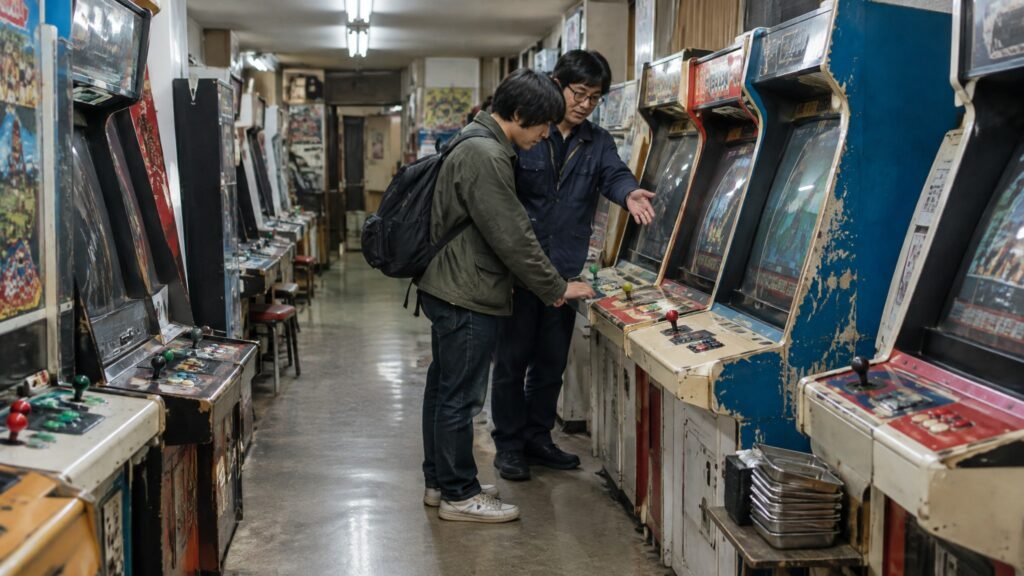
Food lovers get lunch built into the route, not squeezed in at the end. Anime and gaming fans can swing through Ikebukuro or Akihabara-style districts, and we build the rest of the day around that. Nothing here is a fixed menu. You choose the anchors, and we fill in the places between them.
Pacing: Cutting the List So the Day Doesn’t Rush
Overloading the first day is the most common mistake we see. People try to fit in everything they’ve bookmarked, then spend the day watching the clock instead of the city.
Remember the five-day benchmark. If the main highlights need at least five days, one day should cut the list rather than compress it. We’d rather you see three places well than eight in a blur.
That matters even more when it is also your arrival day. Jet lag shrinks your energy, and a long flight makes crowded trains harder than usual, so we start later and keep the afternoon light.
Travelling with children changes the rhythm again. We slow down, add breaks, and pick stops that suit smaller legs. If that’s you, take a look at a family-friendly private day in Tokyo for a route built around kids.
Private or Group: Choosing the Right Tokyo Day Tour for Beginners
The best first day tour in Tokyo depends on how you like to travel. Group tours are a fair choice, and they suit anyone happy to follow one shared route. Everyone sees the same stops in the same order, and that can be a relaxed way to see the main sights.
A private day tour suits first-timers who want the route bent around them. You can linger at a shrine, skip a stop, or change plans at lunch because something looked good. A group tour keeps one fixed route for everyone, so it can’t do that.
Cost matters in this choice, and we keep the numbers out of this article on purpose. You’ll find the breakdown in our guide to what a private Tokyo day tour typically costs.
Questions to Ask Before You Hire a Private Guide
Before you commit, ask who your guide will be, how much the route can change on the day, and what happens if the weather turns. Ask how they handle mobility needs or a tired child. Also ask what is included, so nothing surprises you later.
Our full checklist covers the rest, and you’ll find it in what to ask before hiring a Tokyo guide.
Add-Ons After the Highlights: Food, Anime and Evenings Out
Once the daytime highlights are done, you may want more. Two extensions work well for first-timers.
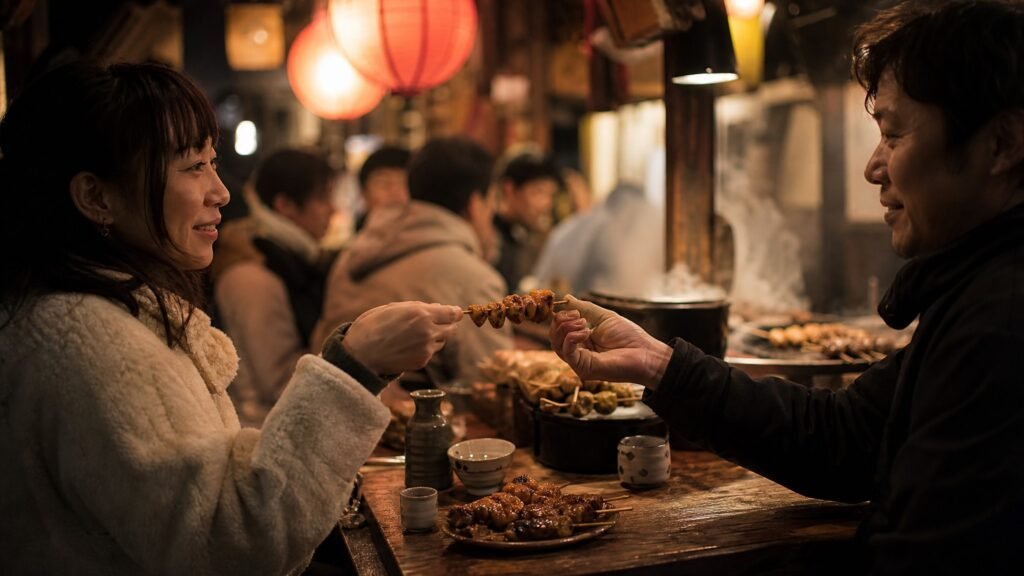
If you still have energy after dark, an after-dark food walk in Tokyo takes you through lantern-lit lanes and small eateries when the city feels completely different. If anime is your reason for coming, an anime-focused full day in Tokyo goes much deeper than a single stop can.
Booking a Tokyo Day Tour for Your First Visit
Planning a first time in Tokyo tour should feel exciting, not like homework. A short message from you is enough for us to start shaping a day that fits.
What to Send Us Before You Book
A guide needs a few things before planning your day, and you can send them in a couple of lines:
- Arrival date and time, so we know whether this is your landing day or a rested morning.
- Interests, such as history, food, anime, photography or architecture.
- Pace, whether you like a packed day or a slow one with long breaks.
- Family or mobility needs, including children’s ages, stairs, or how far you can comfortably walk.
With those four details, we can choose your side of the city, pick the anchor stops, and leave room for the unplanned moments that people remember most.
Ready to start? Send us your details and reserve a private first-day Tokyo tour. How our private Tokyo guide booking works walks you through the next step.
Frequently asked questions
How many days do you need to fully explore Tokyo?
You can’t fully explore Tokyo in any number of days, but the official Tokyo itinerary suggests at least five days to see the main highlights without rushing. It also offers ideas for a three-to-four-day stay. A single day works as a sampler of one side of the city.
Where should first-time visitors go in Japan?
Tokyo is an easy first stop because it combines temples, food, pop culture and skyline views in one place. We run food tours, cultural experiences, private day tours and multi-day packages across Japan, so you can add other regions once you know how much time you have.
What mistakes do first-time visitors make in Tokyo?
The most common one is overloading the first day with too many stops, especially on arrival day. Another is crossing between east and west Tokyo more than once, which eats time. Choose one side of the city, pick two or three anchor stops, and keep room for lunch and a rest.
Should I visit Tokyo Skytree or Sunshine 60?
Choose Tokyo Skytree if your day covers Asakusa and the east side. It stands 634 m tall, with platforms at 350 m and 450 m. Choose the 251 m Sunshine 60 Observatory if your route already passes through Ikebukuro.
Can a private day tour work on the day I arrive?
Yes, as long as the plan is light. Tell us your arrival time, and we’ll start later, keep the route short and avoid heavy train travel while you adjust. Fewer stops make for a better first day.