Exploring Tokyo’s culinary scene alone is one of the most rewarding travel experiences you can have. But finding the best food tour Tokyo has for solo travelers means looking past the standard itineraries. Many operators design their routes for couples or big groups, leaving independent visitors to navigate language barriers and crowded venues on their own. We believe your solo trip should feel connected, not isolating, which is why we build our tours around formats that turn dining into a social bridge.
We’ve spent over 12 years guiding international visitors through Tokyo’s food scene, and we’ve always focused on authentic local experiences over generic tourist traps. That stretch of time taught us that solo travelers need more than a restaurant reservation. They need a welcoming environment where asking questions feels natural and safety is built into the route. Whether this is your first visit or your fifth, the right tour structure turns a simple meal into a real memory.
Why Small Group Food Tours Are Essential for Solo Travelers
Tokyo is one of the safest major cities in the world for solo travelers. Even so, navigating narrow alleyways and unmarked entrances in the dining districts is a lot easier with someone who knows the way. A small group gives you that layer of support, letting you relax and explore neighborhoods that might otherwise feel out of reach after dark. You get the backstreet izakaya experience without the anxiety of deciphering a faded noren curtain or guessing at etiquette in an unfamiliar room.
Safety and Comfort in Unfamiliar Neighborhoods
Physical safety is rarely the issue in Tokyo. What changes how deeply you engage with the city is having a knowledgeable local beside you. Our guides know which alleys welcome foreigners warmly and which spots prefer regulars, so they steer you toward the places where hospitality really shines. You spend your energy tasting and connecting instead of second-guessing every turn down a dim Shinjuku side street.
Our small group tours typically cap at an intimate number, so every solo traveler gets real face time with the guide and the rest of the group, not a fight for attention. In a circle that size, nobody gets left behind at a busy intersection or lost in the shuffle at a standing bar. You stay visible, accounted for, and free to focus on the flavors in front of you.
Breaking the Ice: How Guides Facilitate Connection
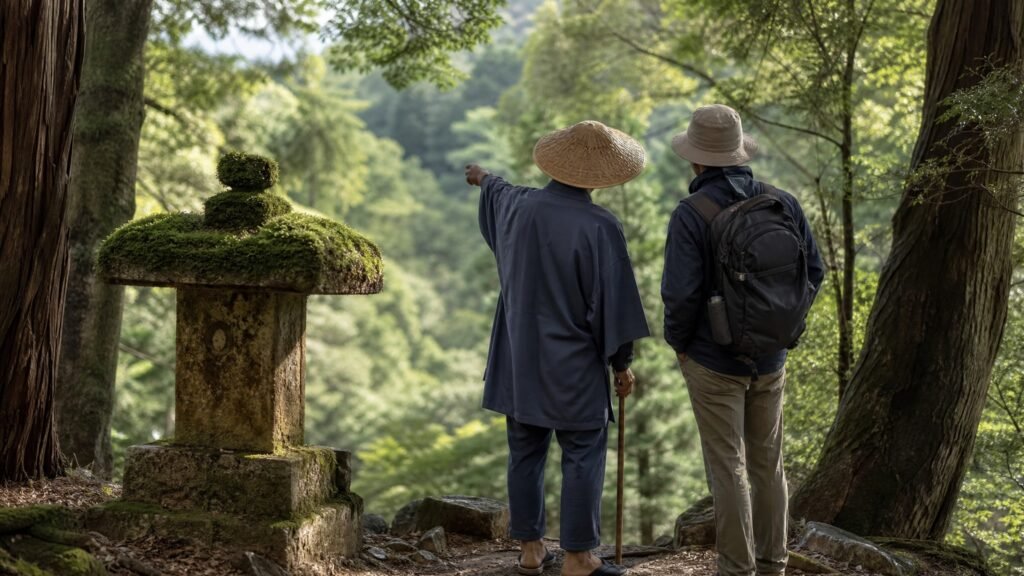
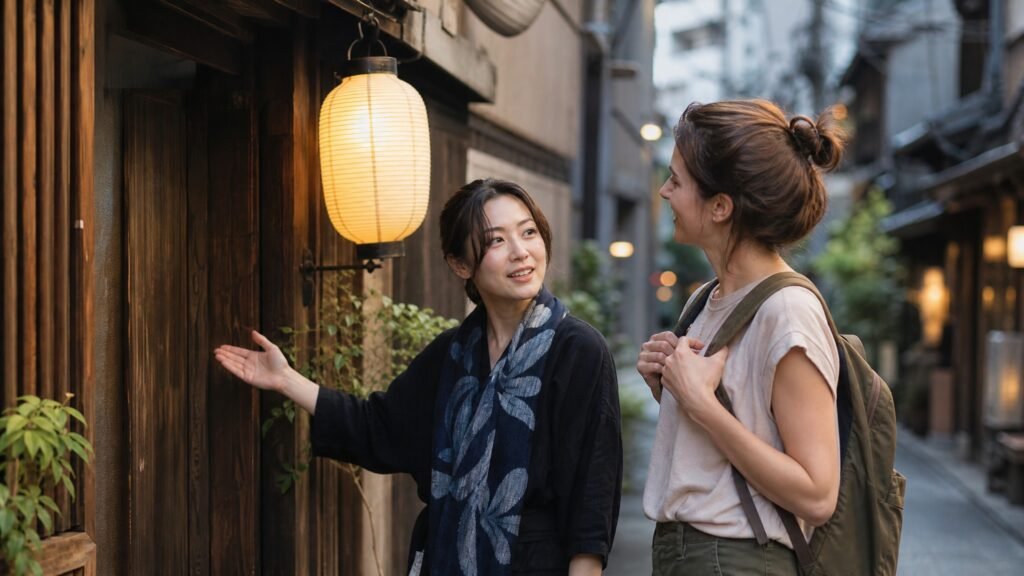
Our local guides act as cultural interpreters. They don’t just explain the dishes, they open up conversations between you and the shop owners, bridging the language gap that often leaves independent diners on the outside looking in. They’ll introduce you to the chef, translate your appreciation for a particular technique, and create moments of real exchange that no phrasebook can manage. Those small interactions turn a transactional meal into a story you’ll tell for years.
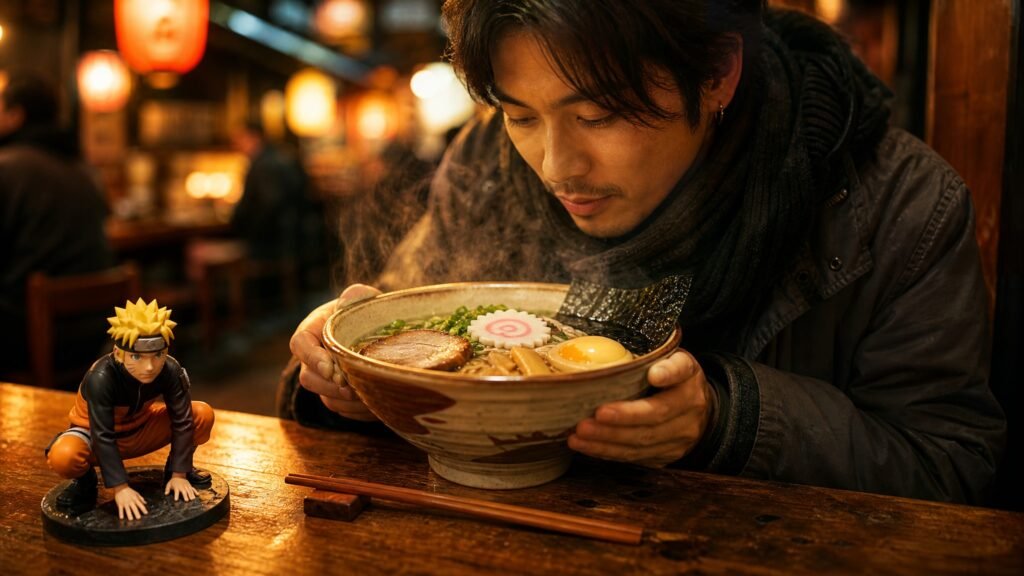
The dynamic inside the group matters just as much as what happens with the shopkeepers. Good guides actively weave participants together, pointing out shared interests or prompting a conversation about a regional specialty so nobody sits quietly while everyone else chats. You arrive as strangers. You leave as people who understand exactly why that particular bowl of ramen hit the way it did.
Top Rated Tokyo Food Tour Experiences for Solo Guests
Not every tour format serves the independent explorer equally well, so when you’re searching for a solo travel Japan food tour, look for experiences built around interaction. Certain settings naturally invite conversation and shared discovery, and these three formats consistently get the strongest feedback from our solo guests, because they fit the rhythm of traveling alone.
Izakaya Hopping in Shinjuku: Social Dining at Its Best
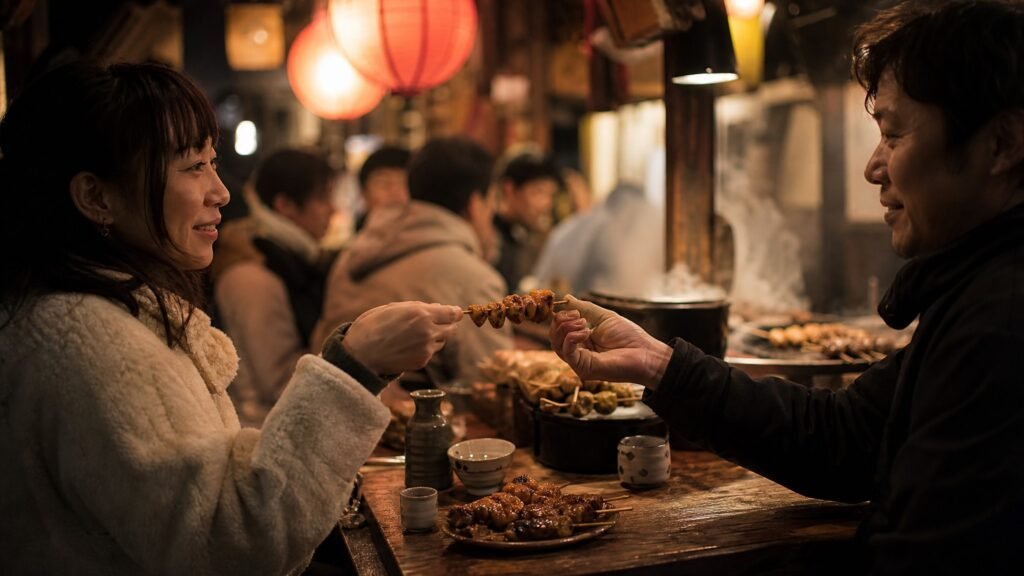
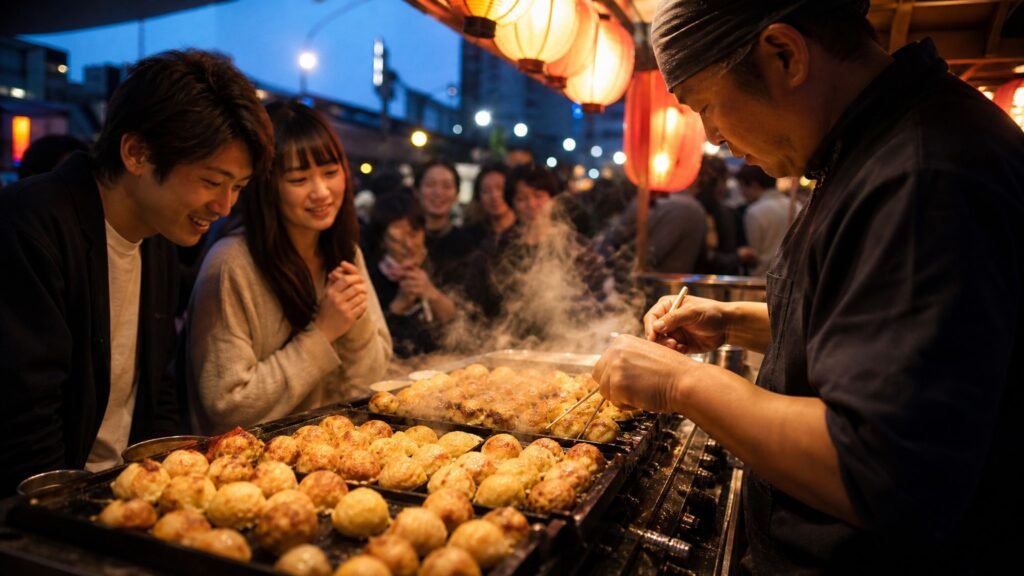
Izakayas are communal by design. Sitting shoulder-to-shoulder at the counter strips away the formality of table dining and invites spontaneous conversation. Our izakaya hopping with a local guide leans into that layout, so sharing plates and stories happens on its own. You’ll taste seasonal small dishes while chatting with your guide and with neighboring locals, many of whom are happy for the chance to practice their English or point you toward a favorite spot.
This format suits solo diners especially well because the rotating menu removes the pressure of ordering a full meal by yourself. Each stop brings a fresh topic and a new flavor, so the energy keeps moving through the evening. By the third venue, any initial awkwardness has usually dissolved into easy conversation over good sake and grilled skewers.
Tsukiji Outer Market Morning Walks for Early Risers
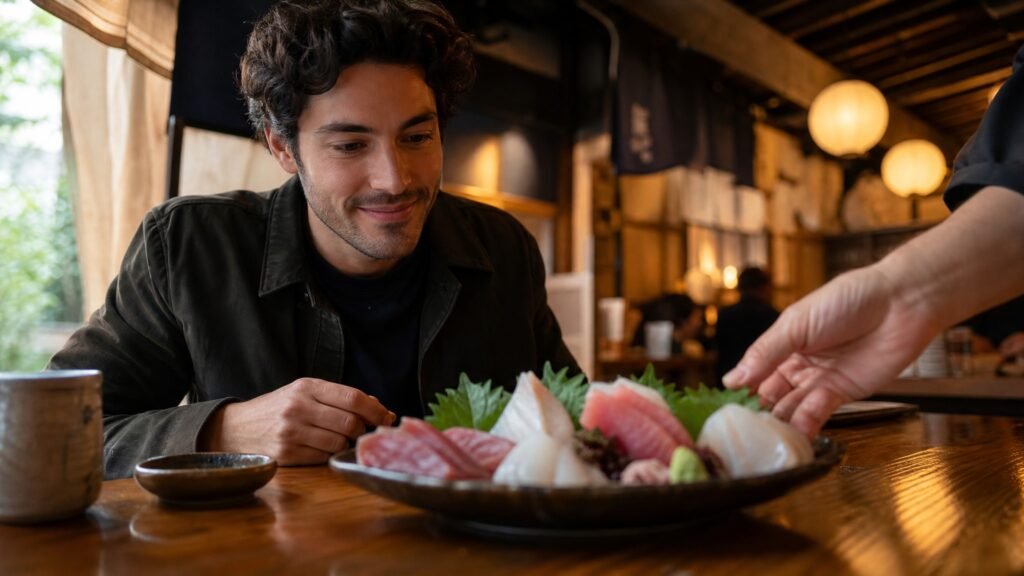
Morning market tours draw a different crowd, people who prefer daylight exploration and structured learning over a late night out. Walking through Tsukiji’s outer market creates natural pauses for conversation as you watch a vendor prepare tamagoyaki or slice fresh sashimi. The shared curiosity about ingredients and technique gives everyone something concrete to talk about, without anyone needing to share anything personal.
These walks also leave you with knowledge you can use on your own later in the trip. Learning how to spot good seafood or how to queue properly at a popular stall builds confidence for the rest of your stay. You walk away with both an enjoyable morning and skills that improve every meal you eat solo afterward.
Anime-Themed Food Tours for Pop Culture Fans
Niche-interest tours create instant common ground, which makes conversation effortless even for travelers who dread small talk. Our anime-themed culinary experiences tie the food to beloved series and characters, so everyone shares a vocabulary before the first dish even arrives. Talking about favorite episodes over themed dishes keeps the focus on a shared passion rather than on personal background, and that removes a lot of social friction.
This format works especially well if you’ve ever worried about fitting in with a mixed group of ages or travel styles. The shared theme means everyone in the room cares about at least one of the same things, which builds a sense of belonging most tours don’t manage. You leave full, and usually with a new friend who gets exactly why that café visit mattered.
Private vs Small Group: Choosing Your Solo Dining Style
Whether you go private or small group depends on your travel style and what you want out of the experience. Both formats have real advantages for solo visitors. Understanding the difference helps you pick the best food tour Tokyo has for your specific needs. Neither is universally better. It comes down to what matches your priorities and comfort level right now.
When to Upgrade to a Private Local Guide
Private tours make the most sense when you have specific dietary needs, a niche interest, or just want to move at your own pace. Working one-on-one with a guide means the whole itinerary bends around you, with no other participants’ schedules or tastes to accommodate. This format also suits anyone who processes information internally and prefers a deeper conversation over group banter.
Our private tour booking process connects you with guides who specialize in customized experiences built around your particular curiosities. You might linger at a knife shop or ask to visit a restaurant specializing in a regional cuisine that never makes it onto the standard route. It costs more, but for travelers with precise goals, the personal attention is usually worth it.
Budget-Friendly Small Group Benefits
Small group tours come with a built-in social circle and better cost efficiency than private arrangements. Splitting expenses with fellow participants makes premium dining accessible while giving you ready-made company for the evening. The group dynamic also brings in perspectives you’d never get traveling alone, since other people’s questions and reactions add something to your own experience.
For a lot of solo travelers, the money saved goes straight toward other parts of the trip. You get professional guidance and real local access for a fraction of what a private tour costs, which frees up budget for shopping or a nicer hotel. The trade-off is less customization, but for most people, the social upside more than makes up for it.
What Makes a Tour Truly Solo Friendly in Japan
Plenty of marketing claims “solo-friendly” without saying what that actually means in practice. A genuinely solo-friendly tour makes specific operational choices for independent travelers, rather than just accepting single bookings and calling it a day. Look for evidence of intentional design, not vague promises, before you book.
Guide Expertise Beyond Just Food Facts
The best guides function as temporary friends and cultural bridges. They read the group, notice when someone seems hesitant to ask a question, and find a natural opening without putting anyone on the spot. That kind of emotional intelligence matters far more than an encyclopedic knowledge of soy sauce fermentation.
A truly solo-friendly tour also respects your time beyond the scheduled hours. Your guide should be able to point you toward safe places to explore afterward, including specific restaurant names and how to get back to your hotel. That kind of follow-through shows they actually care about your whole trip, not just the hours you’re paying for.
Logistics That Respect Independent Schedules
A meeting point near a major station cuts down on pre-tour anxiety about getting lost on the way to some obscure corner of the city. Clear information about end times and nearby transit helps you plan your evening with confidence. These details tell you the operator understands that solo travelers don’t have a companion to fall back on if something goes wrong.
Looking over a sample Tokyo food tour itinerary before you book shows you whether the pacing actually works for independent travelers. A well-designed route builds in natural breaks and doesn’t rush you between venues that are far apart. The pace should feel relaxed enough that you can actually take in your surroundings instead of watching the clock.
Navigating Dietary Restrictions as a Solo Diner
Explaining an allergy or a dietary preference alone, in Japanese, understandably makes a lot of international visitors anxious. The language barrier makes it worse when health is on the line, which is exactly why pre-arranged accommodations matter so much. Booking through an experienced operator takes that burden off your shoulders entirely, since they handle the restaurant conversations before you ever arrive.
We tell every participating restaurant about dietary requirements days in advance and confirm a safe alternative exists at each stop. The kitchen prepares a modified dish for you specifically, rather than improvising something on the spot during service. That means a thoughtful substitution, not an afterthought that leaves you with half a meal.
If you have dietary restrictions, check the operator’s accommodation policy before you confirm anything. Not every operator handles complex allergies equally well, and assuming they all can is a real risk, not just an inconvenience. A little transparency up front protects both your health and your evening.
Booking Tips for Solo Travelers Planning Ahead for 2027
Grabbing a spot on a popular small-group tour takes some timing, especially around cherry blossom season. Solo slots fill differently than group bookings, since operators limit single spots to keep the group balanced. If you’re targeting specific dates during a high-demand window, book early.
Securing Spots During Peak Cherry Blossom Season
Spring 2027 bookings should open several months ahead, and the best weekend dates tend to sell out fast once reservations go live. Check operator websites regularly, and sign up for a notification list if one’s offered. Staying flexible on dates improves your odds of landing the experience you actually want during this competitive stretch.
Weekday tours during peak season are worth considering too, both for availability and for smaller groups. Business travelers and families tend to book weekends, which leaves midweek slots more open for solo planners. Sometimes that timing gets you a more intimate experience even in the middle of peak season.
Last-Minute Availability for Flexible Itineraries
Off-peak periods give you more room to decide things closer to your visit. Operators sometimes release returned slots or add capacity depending on demand. If you can stay flexible during the slower months, you can still land a great experience without much advance planning.
That said, don’t rely only on last-minute availability, even outside peak season. Popular guides and signature experiences draw steady interest year-round from repeat visitors and niche enthusiasts. The best approach is booking the must-do experiences ahead of time and leaving some open days for whatever comes up.
Beyond the Meal: Extending Your Solo Food Adventure
The real value of a guided food tour shows up in the days after it ends, once you start using what you learned on your own. Our guides share specific shop names, useful ordering phrases, and neighborhood tips that set you up to explore confidently for the rest of your trip. That transfer of practical knowledge is what separates a tour that actually changes your trip from one that’s just a nice meal.
Go back to a recommended shop by yourself and see how far your new skills get you. Order with the Japanese phrases you picked up on the tour and notice how staff respond to the effort. Those small wins add up, and they make every solo meal after that a little easier.
Treat your tour as a starting point, not the end of the story. Note which flavors stuck with you and go looking for variations at other spots around the city. That’s what turns a meal into something closer to actually learning the culture, long after you’ve flown home.
If you’re still figuring out which format fits your travel style, our guide on choosing the right food tour fit walks through more considerations beyond group size. We want you to feel good about your choice before you even land in Tokyo.
Frequently Asked Questions
What group size is considered ideal for solo food tours in Tokyo?
Groups capped between six and ten participants provide optimal balance between social opportunity and individual attention. Larger groups dilute guide interaction and make counter seating difficult, while very small groups may lack conversational momentum. Always verify maximum capacity before booking to ensure the format supports meaningful engagement.
Are Tokyo food tours safe for women traveling alone at night?
Yes, organized tours in established dining districts are extremely safe with guides managing all navigation and vendor interactions. Routes stick to well-lit areas with active foot traffic, avoiding isolated passages that might concern unaccompanied visitors. Guides also ensure everyone reaches convenient transit points at tour conclusion.
Can I join a food tour if I don’t speak any Japanese?
Absolutely, as guides handle all translation and cultural interpretation throughout the experience. Menus are explained in English and ordering occurs through your guide rather than directly with staff. Many participants join with zero Japanese ability and still enjoy rich cultural exchanges facilitated by bilingual guides.
How do I handle tipping my guide on a Tokyo food tour?
Tipping is not customary in Japan and guides do not expect gratuities beyond the tour price. Exceptional service is already factored into fair compensation structures that respect local customs. If you wish to show appreciation, purchasing a small gift or writing a detailed review supports guides appropriately within cultural norms.