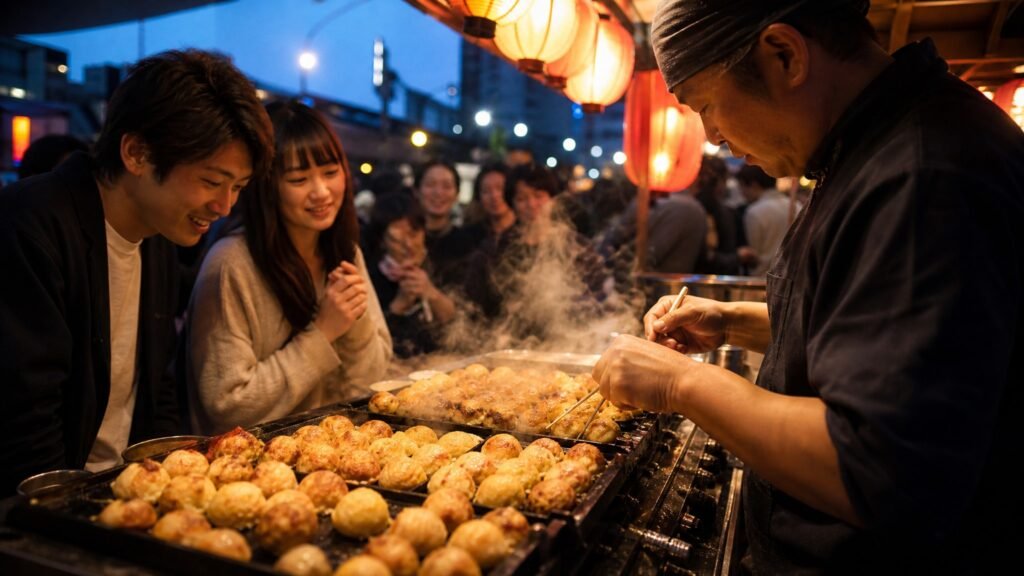
Stepping into a Tokyo izakaya for the first time feels like entering a different world. The air is thick with charcoal smoke, and staff greet every new arrival with a rhythmic shout. We believe this is the real heart of Japanese social life, a world away from the polished hush of a high-end sushi counter or the neon glare of a tourist trap. Yet plenty of visitors hesitate at the doorway, unsure how to read the room or decipher a handwritten menu with no English in sight. Joining an izakaya tour Tokyo with a local guide turns that hesitation into genuine connection, and what could have been an intimidating solo venture becomes an evening of real discovery.
Why a Guided Izakaya Tour Beats Going Solo in Tokyo
You deserve to feel the warmth of Japanese hospitality without the stress of guesswork or getting lost in translation. Tokyo has thousands of izakayas, but the mainstream review platforms mostly surface English-friendly venues built for tourists. The neighborhood spots locals actually love rarely show up on that first page of results, so exploring on your own often means landing in a generic room designed for passing crowds rather than a real neighborhood gem.
Overcoming Language Barriers and Menu Anxiety
Many authentic izakayas run counter-only seating with handwritten Japanese menus, so if you want to order with any confidence, you need someone reading and interpreting in real time. Our guides bridge that gap instantly. They read the seasonal specials scrawled on wooden tags and explain preparation methods that no translation app will ever catch. That direct back-and-forth turns confusion into excitement, suddenly you’re asking the chef about a specific cut of meat or what came in fresh today.
Accessing Hidden Gems Beyond Tourist Traps
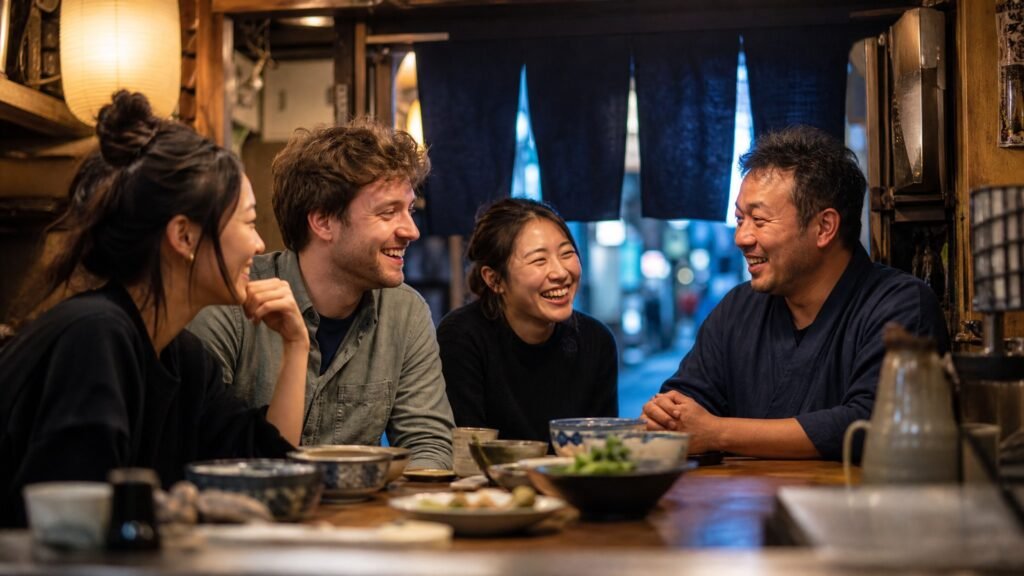
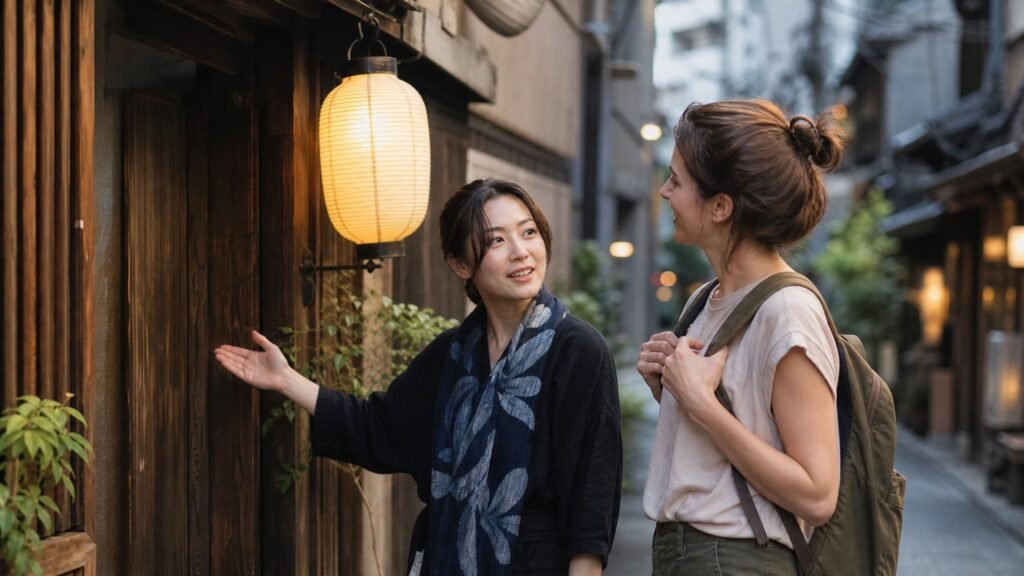
We take guests to the spots salarymen and lifelong residents actually frequent, not the generic tourist hubs like Robot Restaurant or the main Shinjuku strips. Washoku Club City has run food tours across Japan for over 12 years, and in that time we’ve built relationships with family-run izakayas that typically don’t take walk-in reservations from foreign visitors. Because of those bonds, you walk in as a guest of honor rather than a passing customer. That’s what opens the door to back-alley venues where the food is better, the prices are fairer, and the atmosphere carries decades of neighborhood history.
A Sample Evening Itinerary for Your Tokyo Izakaya Hopping Tour
Pacing matters as much as the menu on a multi-stop evening. Burn out at the first venue and you lose the rhythm of the whole night. We build every izakaya hopping tour to gain momentum gradually, so you taste a wide range of dishes without ever feeling overwhelmed or too full before the last stop.
Stop 1: Welcome Drinks and Seasonal Appetizers
The evening opens with light otsumami and a refreshing drink, easing you into the atmosphere and settling your stomach for what’s ahead. This first stop also lets your guide read the group’s energy and set the pace for the rest of the night. You might start with crisp edamame, chilled tofu, or a small plate of pickled vegetables, paired with a draft beer or a sour highball to clear the palate.
Stop 2: The Main Event with Grilled Skewers and Sake
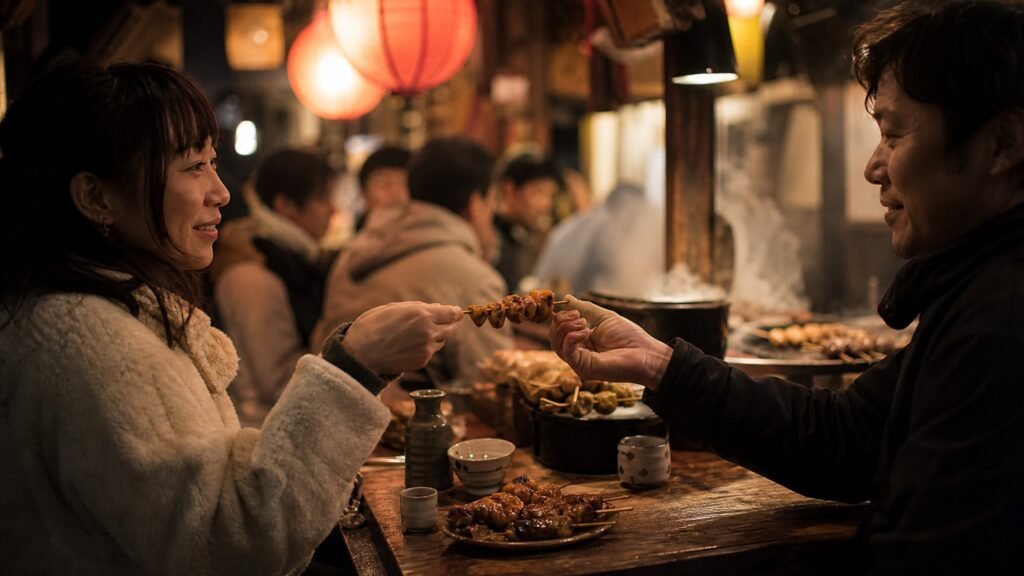
The second venue brings heavier yakitori flavors that call for a more robust drink. Here the kitchen fires up the charcoal grill for fresh skewers of chicken thigh, pork belly, or seasonal vegetables, arriving steaming hot and salted just right. Your guide times the ordering so dishes keep flowing without piling up cold, and the table stays in conversation rather than buried in food.
Stop 3: Finishing with Noodles and Late-Night Vibes
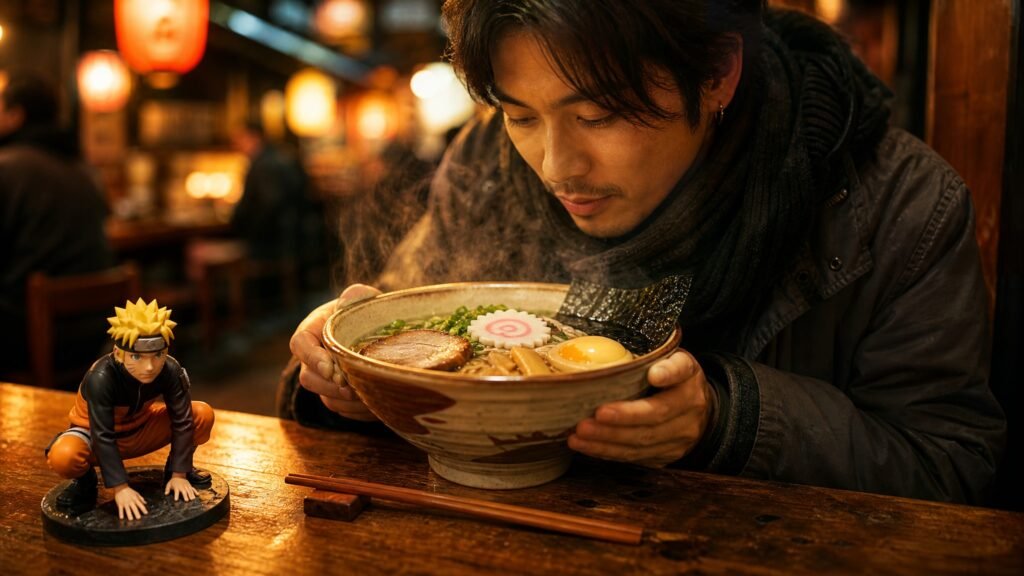
Every proper izakaya experience Tokyo locals cherish ends with shime, the closing dish that signals the meal is done and settles the stomach before bed. We usually finish with warm ramen, ochazuke, or udon in a lighter broth, something comforting rather than heavy after hours of eating and drinking. It’s a natural wind-down: conversation deepens, and the night ends on contentment instead of an abrupt goodbye.
Must-Order Dishes and Drinks on an Authentic Izakaya Food Tour
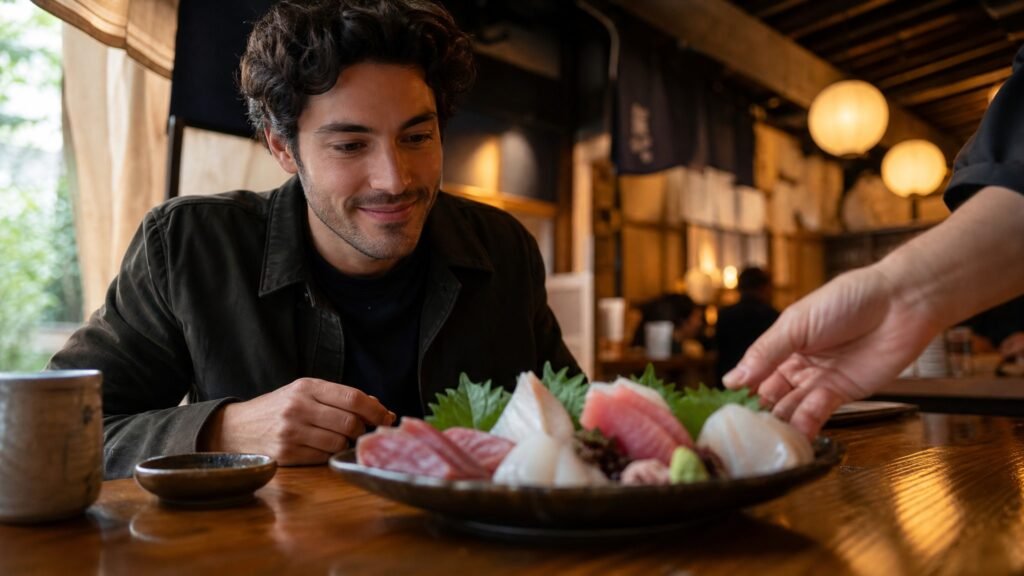
Generic sushi platters rarely make it to our tables. An authentic izakaya Tokyo experience centers on regional specialties and whatever’s in season, and that changes throughout the year. Your guide recommends dishes based on what’s actually fresh right now, so every bite reflects the current moment on Japan’s culinary calendar rather than a static tourist menu.
Navigating Regional Specialties and Seasonal Menus
Spring brings fresh sashimi and mountain vegetables. Winter calls for warm oden stews and hearty nabe hot pots that warm you from the inside out. Our guides explain where each ingredient comes from and why it matters, connecting what’s on your plate to broader Japanese agricultural traditions and regional identity. That context is what turns simple snacking into a real exploration of washoku culture, something you can’t get by just pointing at a picture.
Pairing Japanese Alcohol with Small Plates
Matching drinks to food lifts an izakaya food tour Tokyo experience from mere consumption into a real tasting. Guides help pair shochu, highballs, or nihonshu to specific flavors on the table, explaining why a dry sake cuts through fatty pork, or why a citrus highball works so well with grilled chicken. If you want to go deeper into Japanese alcohol on its own terms, we also run a dedicated sake tasting tour focused entirely on brewing regions and serving temperature.
That approach means you leave understanding the logic behind Japanese drinking culture, not just having had a few drinks.
Essential Izakaya Etiquette for First-Time Visitors
Knowing the unspoken customs saves you an awkward moment and shows respect for the space you’re in. The otoshi is both a cover charge and a small hospitality gesture, a little appetizer that signals the meal has started and helps cover the venue’s running costs, so don’t send it back thinking it’s a mistake. Wait until everyone has a drink in hand before raising a glass for kanpai, and keep your voice in check in tight spaces; read the room rather than impose your own volume on it.
Our guides model this behavior naturally over the course of the tour, so you learn by doing rather than memorizing a rulebook. If you want to prepare further before booking, our detailed izakaya etiquette guide covers seating hierarchy, paying the bill, and chopstick manners in more depth.
Choosing the Right Neighborhood for Your Night Food Tour
The district you pick decides whether the evening feels like a spectacle or a real slice of local life. An izakaya tour Shinjuku gives you neon and scale; an izakaya tour Shibuya leans younger and trendier. Neither quite matches the intimacy of a residential yokocho alley, where locals actually unwind after work.
Shinjuku vs. Shibuya vs. Local Residential Areas
The major districts are convenient and visually dramatic, but they’re often built around turnover and foreign appeal rather than tradition. Residential neighborhoods like Kichijoji, Shimokitazawa, or Sangenjaya keep the slow, intimate pace that defines real izakaya culture, with venues that have served the same community for generations. We often steer tours toward these lesser-known areas, because that’s where you find the izakaya experience Tokyo tourists rarely stumble onto by themselves.
Matching Vibe to Traveler Preferences
Your ideal Japanese bar hopping tour Tokyo comes down to what kind of evening actually energizes you, not what a guidebook recommends. Some travelers want the electric chaos of Golden Gai; others want a quiet counter seat where the conversation with the master is the whole point. We talk this through with you before the tour, so the neighborhood we choose fits your travel style rather than working against it.
Customizing Your Private Izakaya Experience With Us
A one-size-fits-all itinerary falls apart the moment dietary needs or group dynamics come into play, so we treat every booking as its own arrangement rather than a fixed product. That keeps things safe and enjoyable for everyone, though it does mean we can’t take last-minute requests that need venue coordination in advance.
Accommodating Dietary Restrictions and Allergies
We coordinate with venues ahead of time to handle vegetarian, vegan, or gluten-free needs safely, something that’s nearly impossible to arrange on the spot in Japan, given how widely dashi fish stock and soy sauce show up in cooking. Tell us your restrictions when you book, and we confirm alternatives with the chefs days ahead, which avoids cross-contamination and a disappointing plate. If you’re eating plant-based, take a look at our vegetarian-friendly food tour options for more on our specialized venue partnerships.
Adjusting Group Size and Pace
Solo travelers, couples, and larger groups all need different pacing and venue choices to stay comfortable through the evening. Private guides adjust the walking distance between stops, resize portions, and pick seating that suits your group. If you’re still deciding on format, our broader Tokyo food tour itinerary is worth a look alongside an izakaya-specific evening.
Practical Tips for Booking and Enjoying Your Tour
Comfortable shoes aren’t optional. Authentic izakaya districts mean real walking on uneven pavement and narrow stairs. Dress casual-smart, out of respect for the venues, without going overboard, and budget for extra drinks beyond the tour package since thirst varies a lot from person to person. Book well ahead for 2026 and 2027 travel dates. Small-capacity, authentic venues fill fast, especially around cherry blossom and autumn foliage season when demand outpaces what’s available.