Osaka deserves a full day of your family’s Japan itinerary, but enjoying it with kids takes more than a list of famous landmarks. The city’s food scene alone is worth the trip. Still, navigating its dense streets with little ones can turn exhausting fast without a plan. Parents worry about stroller access, finding meals picky eaters will actually touch, and managing energy levels before the afternoon slump hits.
We’re Washoku Club City, and we’ve spent over 12 years guiding international families through Japan’s transit and dining maze. A kid-friendly Osaka itinerary comes down to pacing, logistics, and knowing exactly where the hidden elevators and nursing stations are. This guide breaks down how to structure a full-day Osaka tour with kids that keeps everyone fed, engaged, and reasonably happy from morning until evening.
Why a Private Osaka Family Tour Beats DIY Sightseeing
Navigating public transport with children in a foreign country turns simple sightseeing into an endurance test. Osaka’s subway system is efficient, but transferring between lines with luggage, strollers, and a tired toddler during rush hour creates stress no amount of guidebook reading prevents. You’d rather be making memories than deciphering station maps while managing a meltdown on a crowded platform.
Families with multiple children consistently rate private vehicle tours higher, because they skip the physical exhaustion of transferring between subway lines. A dedicated driver means you can store gear securely, adjust the climate control instantly, and move between attractions without exposing your family to rush-hour crushes. That flexibility matters when your toddler suddenly needs a nap or your teenager refuses to walk another step.
Rigid group tour schedules can’t accommodate the unpredictable rhythm of traveling with kids, who run on their own biological clocks and emotional thresholds. A private family guide lets us pivot in real time: extending a stop at a park if the kids are having fun, cutting a museum visit short if attention spans wane. We build buffers into every family tour, because forcing a timetable on a child is the fastest way to ruin their mood.
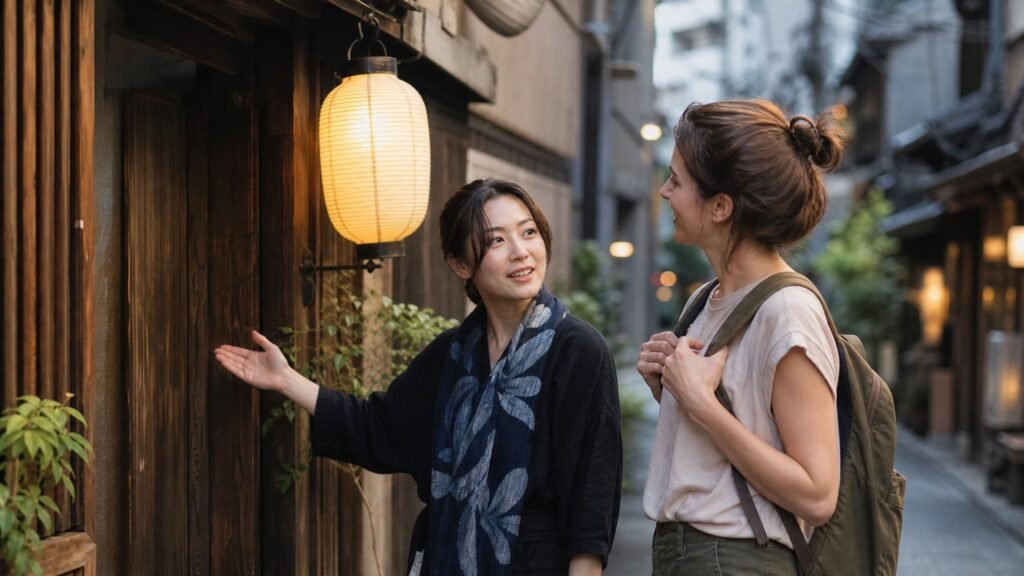
Language barriers vanish too, once you have a local who can translate menus, explain etiquette to curious kids, and handle the unexpected calmly. Instead of pointing at pictures and hoping for the best, your family gets the nuanced, authentic moments that independent travelers often miss.
Morning Highlights: Interactive Culture at Kid Pace
Mornings are when children have the most energy and patience, so we prioritize activities with movement over passive observation. Osaka Castle Park is an ideal starting point: its open grounds let kids run freely while parents take in the architecture and seasonal scenery. That space gives kids a necessary release valve before the day shifts to more structured experiences.
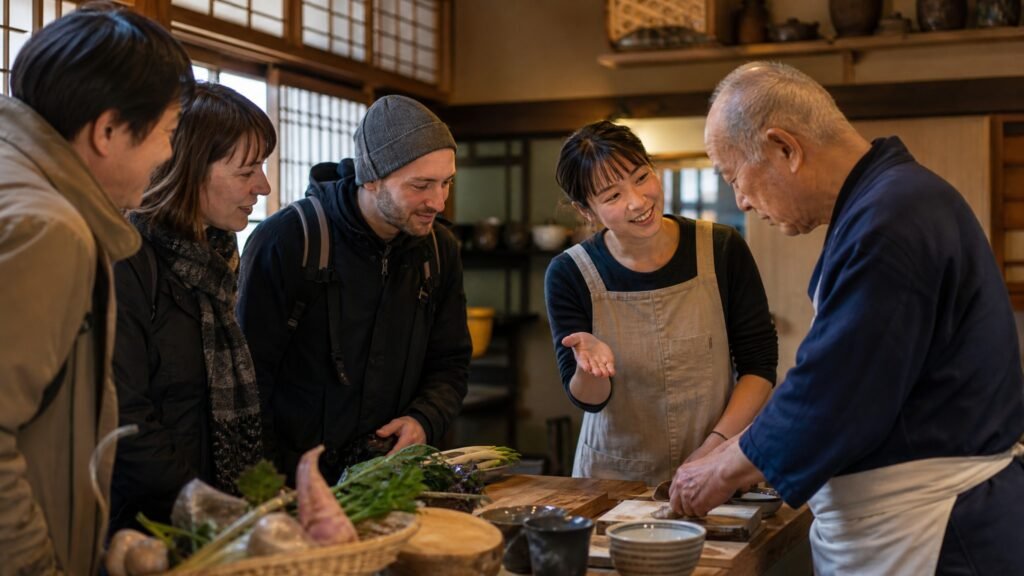
Interactive museums and hands-on workshops beat silent temple visits for younger travelers who learn by doing, not by listening to lectures. Your guide adjusts timing to real energy levels to head off a mid-morning meltdown, because a forced march through exhibits breeds resentment, not appreciation. If your children get fascinated by one display, we linger there instead of rushing to the next item on a generic list.
Children absorb more when they aren’t being shushed or dragged along, and parents relax knowing the pace respects their family’s rhythm. An Osaka day trip with kids should spark curiosity, not compliance.
We also know which venues have English-friendly signage and interactive elements that bridge the language gap naturally. Those small details turn a potentially confusing historical site into an adventure where children feel included rather than tolerated.
Kid-Friendly Food Stops in Osaka That Parents Will Love Too
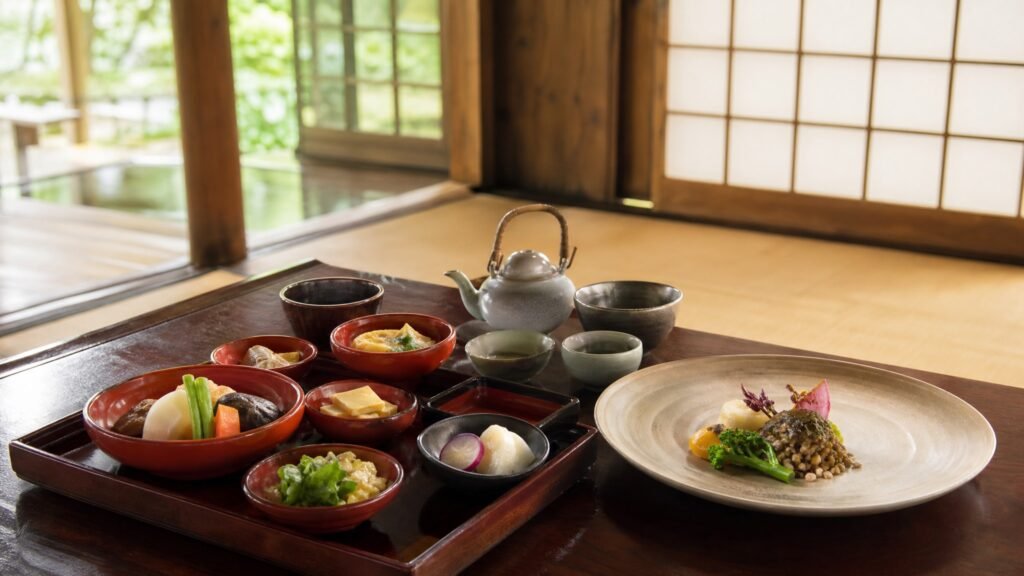
Osaka calls itself Japan’s kitchen, and many parents worry authentic local food might be too adventurous for kids used to milder Western flavors. The city’s signature dishes, takoyaki and okonomiyaki, are playful and customizable, and mild enough for most cautious young palates. Watching these get made at the stall adds entertainment value that makes trying something new feel like part of the fun rather than a chore.
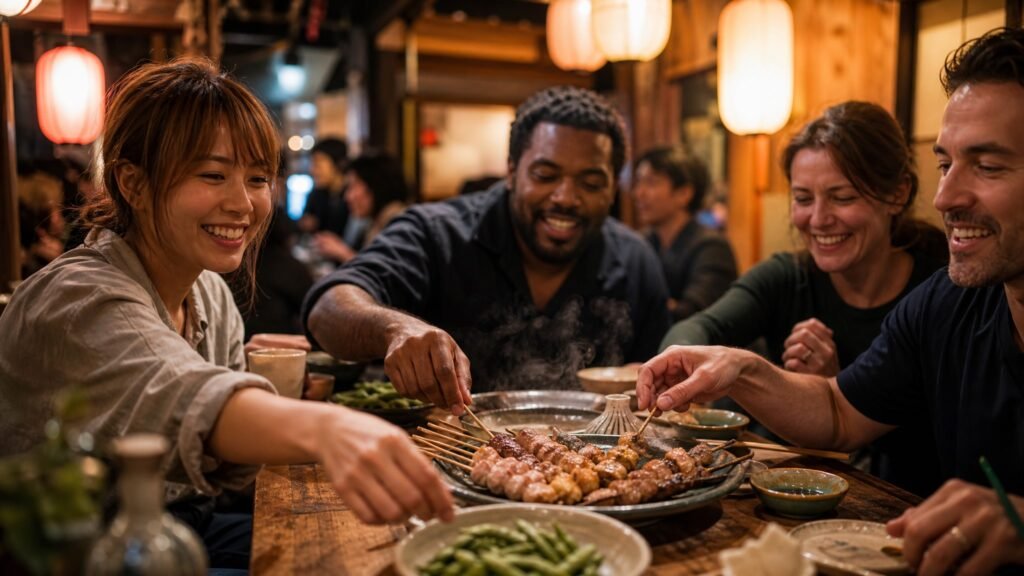
Kuromon Market gets recommended over Nishiki or Tsukiji for families for a simple reason: wider aisles and less crushing crowds for stroller navigation. You can sample fresh seafood, grilled meats, and sweets at individual stalls without committing to a full restaurant meal that might overwhelm a hungry, indecisive kid. The layout lets families graze at their own pace, stopping wherever something catches a kid’s eye.
Our guides are good at finding restaurants with seating that actually works for strollers and high chairs, which saves you the awkwardness of wrestling bulky gear into a tight space. When selecting the right culinary experience matters this much, knowing which places welcome noisy children and which expect quiet diners saves real anxiety. We handle dietary restrictions too, communicating allergies or preferences clearly to kitchen staff so everyone eats safely.
You won’t need to fall back on familiar fast-food chains just to guarantee your kids eat something. A real Osaka family food tour proves local cuisine can be culturally rich and genuinely appealing to children, which builds a positive association with Japanese food that outlasts the trip.
Afternoon Adventures: Balancing Pop Culture and Rest
Post-lunch hours are the hardest part of a family itinerary, because fatigue and sensory overload hit right when parents hope to see more. Scheduling downtime or low-stimulation activities after lunch manages that dip before it turns into a battle of wills. Ignore it, and you get cranky kids and frustrated parents wondering why nobody’s having fun anymore.
Local guides often pair Osaka Aquarium Kaiyukan with the nearby Tempozan Marketplace, since together they offer the indoor climate control and rest areas families need during Osaka’s hot summers. The aquarium’s whale shark tank captivates every age while the cool, dim lighting calms an overstimulated kid down. The shopping facilities next door have nursing rooms, family restrooms, and quiet corners where an overwhelmed child can decompress without leaving the district.
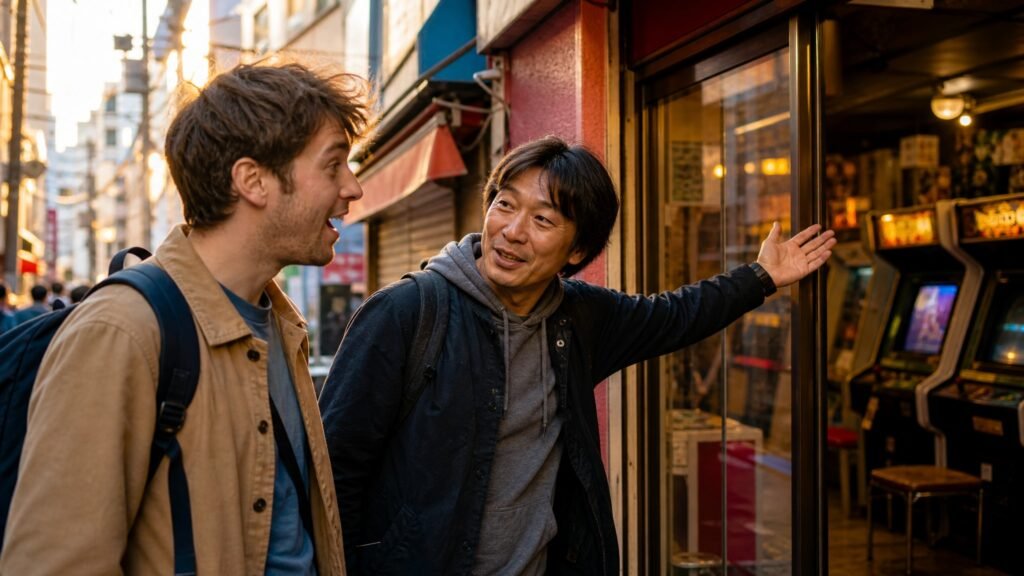
For families with teenagers into anime, gaming, or pop culture, districts like Nipponbashi Den Den Town offer exploration that respects what they’re actually interested in. Can a family tour flex for a teenager obsessed with anime? Absolutely, and we balance those niche interests with real breaks so the enthusiasm doesn’t tip into exhaustion. Teens engage deeply when their passions get taken seriously, but they still need structured pauses to process everything they’re taking in.
Quiet zones exist throughout the city if you know where to look, and our guides find them proactively rather than scrambling during a meltdown. Whether it’s a garden tucked behind a busy street or a quiet corner in a department store, these spaces give everyone the reset that keeps the day enjoyable.
Logistics First: Strollers, Toilets, and Transit Gaps
The unglamorous realities of family travel decide the day more than any photogenic landmark. Elevators in older train stations aren’t always obvious, diaper-changing stations vary wildly in quality, and a rush-hour train becomes a genuinely hostile place for anyone pushing a stroller. Generic itineraries skip these friction points entirely, leaving parents to find them the hard way.
How do private tours handle strollers and diaper changes over a full day? By pre-vetting every route, confirming facility locations in advance, and giving you a driver who removes the guesswork. Your guide knows which department stores have the cleanest family restrooms, which parks have shaded benches suited to an impromptu diaper change, and when to steer clear of certain transit corridors. That knowledge turns a potential disaster into a transition your kids barely notice.
Booking a private tour solves this systematically instead of hoping luck shows up when you need it. Drivers position the vehicle to cut down walking distance, carry supplies for common mishaps, and reroute when construction or crowds get in the way. You get to focus on your kids instead of mentally mapping escape routes from every location.
Preparation before booking matters too. We advise families on what to pack, what to leave behind, and which expectations to adjust based on a child’s age and temperament. Understanding tour pricing and value means recognizing that logistical peace of mind is worth something beyond the ride itself.
Customizing Your Osaka Day Trip for Different Ages
A toddler’s ideal day looks nothing like a teenager’s, and treating every kid as interchangeable guarantees someone ends up disappointed. Younger kids thrive on tactile experiences, frequent movement breaks, and routines predictable enough to feel secure amid all the novelty. Teenagers want autonomy, relevance to what they’re already into, and some respect for their opinions on what’s actually worth doing.
Our planning conversations start with detailed questions about each child’s personality, current obsessions, and tolerance thresholds, not a one-size-fits-all template. For families considering extending your stay with custom packages, we can build progressive experiences that deepen engagement across several days without repeating ourselves. Multi-day options let us alternate high-energy and restful activities on purpose, which prevents burnout while still building on what the family learned the day before.
Families weighing both cities often compare family touring strategies in Tokyo against Osaka’s different pace. Each city plays to different strengths depending on the ages involved, and an honest conversation about which suits your family beats pretending both work equally well for every kid. Some teenagers connect instantly with Osaka’s gritty authenticity; others prefer Tokyo’s polish. Neither preference is wrong.
Flexibility is our core principle no matter who’s in the group. We’ve guided families spanning infants to grandparents by building modular days that let subgroups peel off and pursue different interests when it makes sense.
Booking Your Family Experience With Local Experts
Planning a full-day Osaka tour with kids starts with an honest conversation about your family’s needs, concerns, and hopes, not a browse through generic package descriptions. Our consultations focus on your children as individuals: their sensory sensitivities, dietary needs, attention spans, and whatever they’re obsessed with right now, so we can build something actually tailored rather than customized in name only. Safety and clear communication matter as much as the itinerary when you’re trusting strangers with your family abroad.
Tell us whatever worries you most, whether that’s managing a neurodivergent child’s triggers, navigating a serious food allergy, or just avoiding tourist traps that waste the day. Those details shape our recommendations far more than a checklist of attractions, and telling us early saves everyone a costly mismatch later. There’s plenty to do in Osaka with children, but only some of it will land with yours.
Reach out and tell us about your family’s situation, no pressure or obligation attached. We’d love to hear about your kids and figure out whether our approach fits what you’re picturing for your Osaka adventure.
Frequently Asked Questions
Is Osaka worth visiting for a full day with young children?
Yes, Osaka offers excellent infrastructure for families including wide sidewalks in key districts, numerous parks, and interactive attractions designed for children. The city’s compact layout means major kid-friendly sites are closer together than in Tokyo, reducing transit fatigue. Success depends on choosing age-appropriate activities and building in adequate rest breaks throughout the day.
What are the best kid-friendly foods in Osaka that aren’t too spicy or strange?
Takoyaki (octopus balls) and okonomiyaki (savory pancakes) are Osaka’s signature dishes and are typically mild, fun to watch being prepared, and customizable for picky eaters. Kuromon Market offers bite-sized samples of grilled meats, fresh fruit, and sweets that let children try new things without committing to full meals. Most local guides can identify restaurants with children’s menus or simpler preparations of traditional dishes.
How do private tours accommodate strollers and diaper changes during a full day?
Private tours use vehicles with ample storage space and drivers who position pickups to minimize walking distances between attractions and facilities. Guides pre-verify elevator locations, family restroom availability, and nursing station positions at every planned stop to avoid on-the-spot searching. Routes are adjusted dynamically to avoid stairs-only stations or construction zones that would complicate stroller navigation.
Can an Osaka family tour be customized for teenagers interested in anime?
Absolutely, guides can incorporate visits to Nipponbashi Den Den Town, retro game arcades, and specialty shops that cater specifically to teen interests while balancing screen time with cultural experiences. Itineraries include built-in breaks and quiet zones to prevent sensory overload from intense pop-culture districts. Teenagers’ input is actively solicited during planning so the day reflects their actual preferences rather than adult assumptions about what they should enjoy.
What logistics should parents prepare for before booking a guided day tour?
Share detailed information about each child’s dietary restrictions, sensory sensitivities, mobility needs, and current interests during the consultation phase so guides can plan appropriately. Pack light layers, comfortable shoes, and any essential medications since replacing specialized items mid-tour wastes valuable time. Discuss realistic expectations about pacing and flexibility upfront to ensure the tour operator can deliver an experience matching your family’s actual capabilities.