Planning a family trip to Tokyo often feels like solving a puzzle where the pieces keep changing shape. You want your kids to experience the magic of Japan, but standard guidebooks rarely explain how to navigate rush-hour trains with a stroller, or find a restaurant that welcomes toddlers during peak dinner service. A private day tour in Tokyo for families solves this by swapping rigid schedules for real-time guidance that respects your children’s energy levels and interests. We believe genuine local experiences blend traditional food culture with modern pop culture like anime and gaming, creating memories that land with every generation in your group.
Why Private Guides Transform Family Travel in Tokyo
Standard group tours run on fixed timetables that can’t bend to the unpredictable rhythm of traveling with kids. A dedicated private guide Tokyo families trust does the opposite: the plan shifts moment by moment based on what your family actually needs. That flexibility isn’t a luxury. When you’re managing jet lag, sensory overload, and the simple fact that young travelers process new places differently than adults do, it’s the whole game. Your family deserves an itinerary that breathes with you, not one that forces you to keep pace with strangers.
Flexibility for Naps and Picky Eaters
Children don’t adhere to published tour schedules, and neither should your holiday.
When you book a private experience, the itinerary is a framework, not a contract. Guides pivot instantly when a toddler needs rest or a kid refuses the planned meal. Our guides actively adjust itineraries in real time for nap schedules and picky eaters, which is exactly what fixed-schedule group tours can’t do since they’re locked into pre-booked restaurant slots regardless of whether your child is hungry or exhausted.
If your preschooler falls asleep in the carrier at 11:00 AM, we shift the museum visit to the afternoon and swap in a quiet park instead. If your school-age child decides they absolutely will not eat udon, we already know three nearby alternatives serving familiar flavors within walking distance. This kind of responsiveness heads off the meltdowns that usually derail family travel days, so you’re enjoying the sights instead of managing a crisis.
Navigating Stroller Logistics and Train Crowds
Tokyo’s rail system carries millions of riders a day, which makes avoiding rush hour a real priority for families with strollers who’d otherwise face crushing platform congestion. A guide who knows the network knows which station exits have elevators, which train cars offer extra space, and exactly when to board so you skip the commuter crush that makes traveling with kids stressful and unsafe.
We map out barrier-free routes in advance, so you’re never stuck confused at a ticket gate while your patience wears thin, and we know the alternative transport options for when the subway isn’t practical. That planning turns what could be an exhausting ordeal into a smooth transit experience, one where you’re looking out the window at the city instead of wrestling with how to get through it.
Custom Tokyo Itinerary Ideas by Age Group
A generic top-ten list fails because a two-year-old and a fifteen-year-old experience Tokyo through completely different lenses. We build each custom Tokyo itinerary family by family, starting with your children’s ages, current obsessions, and attention spans rather than forcing them into a template. What delights a teen might terrify a toddler, and what fascinates a preschooler might bore an adolescent. Age-appropriate planning isn’t optional if you want everyone to actually enjoy the day.
Toddlers and Preschoolers: Parks and Interactive Play
Young children need sensory engagement and physical movement more than historical lectures or crowded shopping districts. We prioritize spacious parks with unique playground equipment, interactive museums built for small hands, and open areas where running and noise are welcome instead of shushed. These stops give little ones a chance to burn energy safely between cultural sites, and you’ll often find that a thirty-minute session at a neighborhood park yields better memories than an hour at a temple where silence was mandatory and wiggles were suppressed.
School-Age Kids: Pop Culture and Hands-On Culture
Kids between six and twelve thrive on participation and touchstones from media they already love. This age group responds well to workshops where they make something tangible, visits to spots featured in favorite shows, and food that feels adventurous but still approachable. We frequently build in anime-themed culinary experiences that connect screen fantasies to real flavors, so lunch becomes an extension of their fandom instead of a chore. Hands-on activities like traditional craft workshops or ninja training give them a sense of accomplishment, turning passive sightseeing into a memory that sticks.
Teens: Anime, Fashion, and Independent Exploration
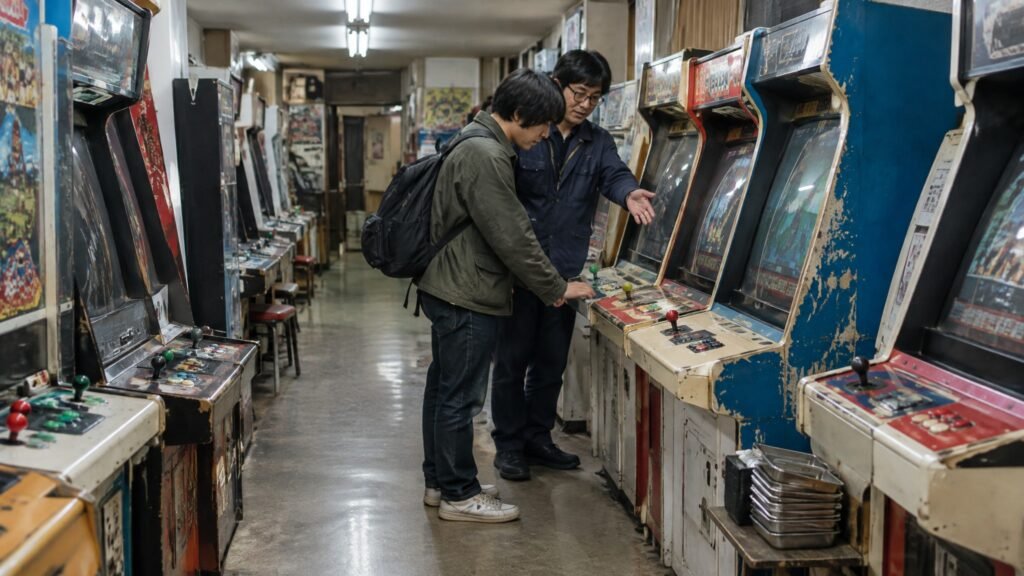
Teenagers want authenticity and social currency over guided instruction. They’d rather explore spaces where youth culture actually lives than where tourists gather. Harajuku street style exploration lets teens see fashion subcultures firsthand, and maybe find something that fits their own emerging style. We build in independence for this age group, so they can browse shops or hit an arcade within safe boundaries while parents get their own downtime nearby. It’s a balance that respects their growing autonomy while keeping the safety net of a guide who knows the area and can step in if needed.
Kid-Friendly Food Stops Beyond Convenience Stores
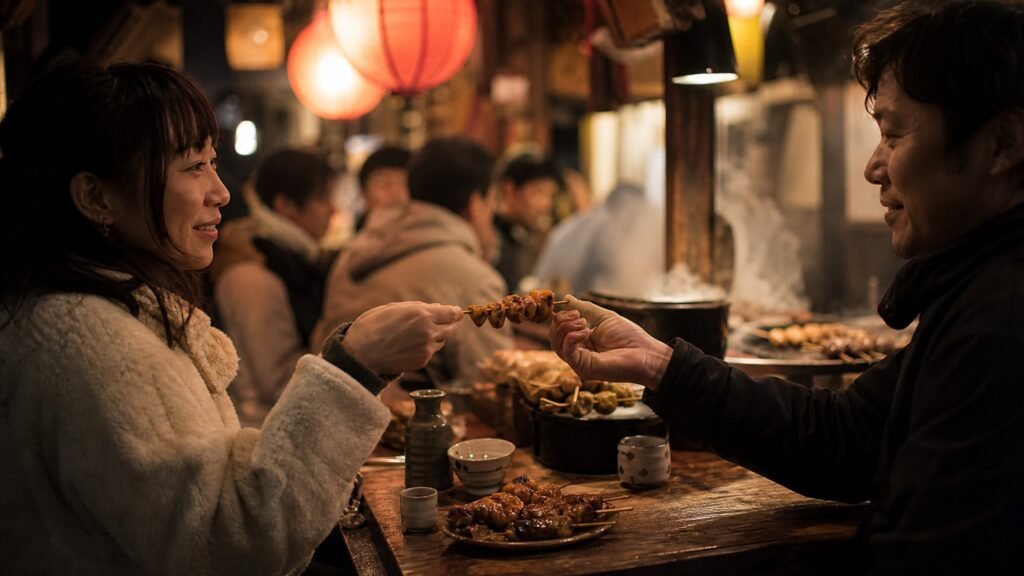
Feeding kids well in Tokyo means knowing which places genuinely welcome families rather than just tolerating them. Plenty of authentic restaurants have high chairs, children’s menus, and staff used to young diners, but spotting these places from the outside is nearly impossible without local knowledge. We steer you toward venues where your family belongs, so you’re not left wondering whether your kids will disrupt other diners or stress the kitchen.
Ramen Shops with High Chairs and Mild Broths
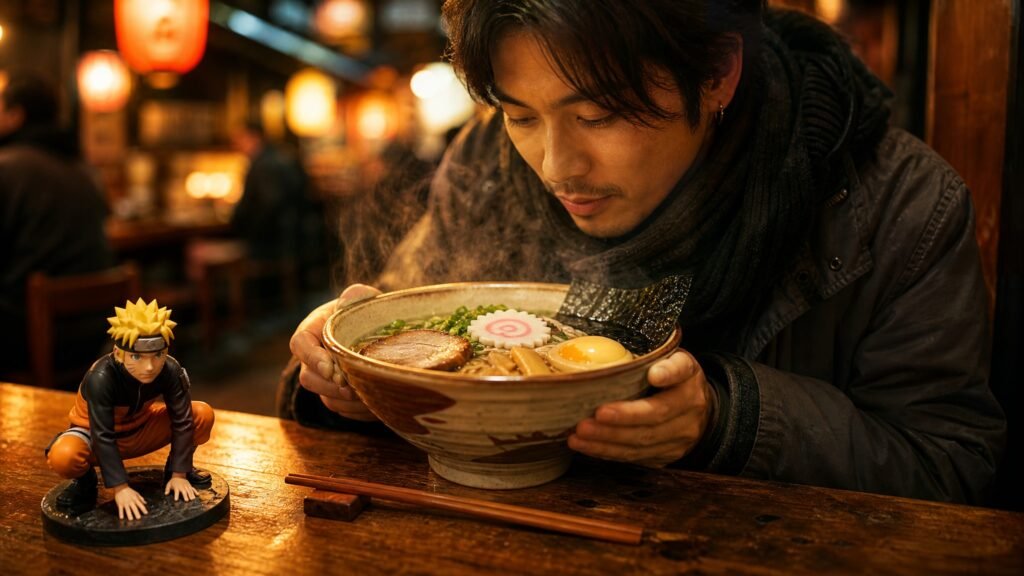
Ramen is quintessential Tokyo dining, but plenty of famous shops have narrow counters, spicy broths, and nowhere suitable to seat small children. We know specific family-appropriate ramen shops that keep the flavors authentic while offering wider tables, booster seats, and milder broth options that ease kids into the dish rather than overwhelming them. These places understand that introducing young diners to Japanese food takes some patience, and that patience builds the kind of first impression that leads to future culinary adventures. You get the real thing without sacrificing your child’s comfort, or your own peace of mind.
Sushi Experiences Safe for Young Children
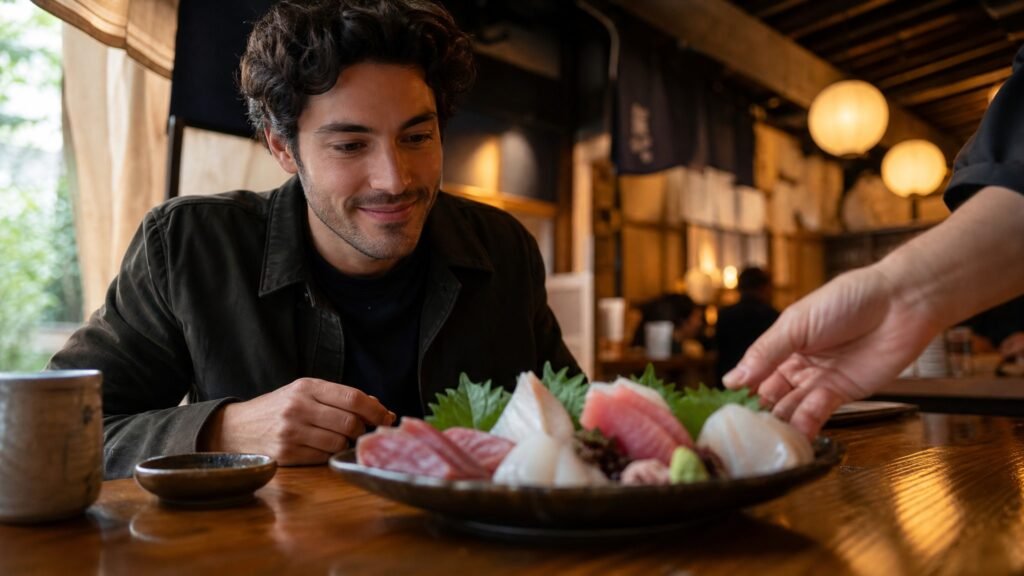
Raw fish intimidates a lot of young eaters, but sushi culture is bigger than sashimi and nigiri. Our guides bridge that gap at the counter, explaining cooked alternatives, egg preparations, and vegetable options that let kids join in without pressure to try textures they’re not ready for. Staff at the places we recommend expect families and happily prepare smaller portions or deconstructed plates that make unfamiliar food less daunting. For families with dietary restrictions, we also know plant-based dining options that keep the spirit of Japanese cuisine without animal products, so no child goes hungry while everyone else eats.
Sweet Treats: Crepes and Wagashi Breaks
A well-timed sugar break heads off the afternoon energy crash and gives the day a natural pause point. Harajuku crepe stands offer customizable treats that double as snack and entertainment, while traditional wagashi shops introduce kids to seasonal aesthetics through edible art. These stops do two jobs at once: they refuel tired bodies and reset moods before the next activity. Planning these pauses on purpose, rather than scrambling for snacks once a meltdown is already underway, keeps the whole day flowing.
Balancing Pop Culture Attractions with Rest Breaks
Tokyo’s busiest districts can overwhelm even adult visitors, so pacing matters if you want your family to enjoy these spaces without hitting sensory overload. We pair high-energy attractions with real decompression time in nearby green spaces or quiet cafes, because sustained stimulation leads to diminishing returns and, eventually, a meltdown. Your kids will absorb more from shorter, well-timed visits than from marathon sessions that end in exhaustion and tears.
Strategic Timing for Pokémon Centers and Anime Shops
Popular retail spots turn unbearable during peak hours, but visiting on weekday mornings or late afternoons changes the experience from chaotic to genuinely enjoyable. Our guides know when crowds thin out at major attractions, so your family can browse comfortably and actually see the merchandise instead of the backs of strangers’ heads. The same timing logic applies to themed cafes, arcades, and character stores, where capacity limits and long queues eat up vacation hours fast. Show up at the right moment, and your kids get to engage with the stuff they love instead of standing in a line that tests everyone’s patience.
Quiet Zones and Green Spaces Near Major Hubs
Every intense district in Tokyo has pockets of calm nearby that work as pressure valves for overstimulated nervous systems. We know the gardens, shrine grounds, and quiet side streets within walking distance of major attractions where kids can run, sit, or just exist without constant input. These micro-breaks stretch your family’s capacity to enjoy busy areas, because regular resets stop fatigue from piling up over the day. Knowing where these sanctuaries are, and having a guide who spots when your child needs one before you notice the warning signs, is what makes an ambitious itinerary actually sustainable.
Practical Logistics for Tokyo Day Tours with Children
Transport logistics decide whether your Tokyo day tour stroller-friendly plans hold up or collapse under practical reality. Station accessibility varies a lot across the network, and luggage storage policies differ by location, so advance planning matters for smooth movement. Our guides handle these details before you ever hit a snag, so you’re not burning vacation hours deciphering transit maps or hauling bags up stairs when an elevator sits fifty meters away.
We assess stroller rental quality and availability against your children’s sizes and your planned activities, recommending specific models or suggesting carriers when the terrain makes wheels impractical. Luggage forwarding takes the suitcases off your hands on transition days, so your attention stays on your kids instead of your bags. These calls get made behind the scenes, before problems arise. That’s the real reason families choose private guidance over navigating solo.
Booking Your Family-Friendly Tokyo Tour
Getting the right experience means matching your family’s rhythms with the right guide and the right season. Timing matters a lot in Tokyo, where domestic holidays and school terms create congestion patterns that international calendars don’t show. Asking the right questions before you book means you end up with someone whose skills actually match your kids’ needs, instead of hoping it works out on the day.
Best Times of Year and Day for Families
Late spring and autumn bring comfortable weather and fewer domestic travelers than Golden Week, summer holidays, or New Year, when Japanese families crowd the same popular spots you’re headed to. Morning starts suit families with early-rising toddlers who fade by mid-afternoon, while afternoon departures work better for night-owl teens and kids who need a slower start to the day. Good timing avoids peak congestion at major attractions and restaurants, giving your family breathing room that peak-season visitors don’t get no matter how skilled their guide is. We recommend booking several months ahead for these ideal windows, because experienced family guides fill their calendars fast during the good seasons.
What to Ask Before Confirming a Private Guide
Check that your prospective guide has real experience with kids in your children’s age range, not just general touring experience that may not translate to family dynamics. Ask directly about how they handle nap times, meal changes, and pace adjustments, to see whether flexibility exists in practice and not just in the marketing copy. Ask for examples of past family tours and how they handled the unexpected. Scripted answers reveal a lot less than a real story about solving a problem on the fly. Getting these answers upfront is what keeps expectations matched and gets you a guide who genuinely understands traveling with kids.
Real Family Experiences with Washoku Club City
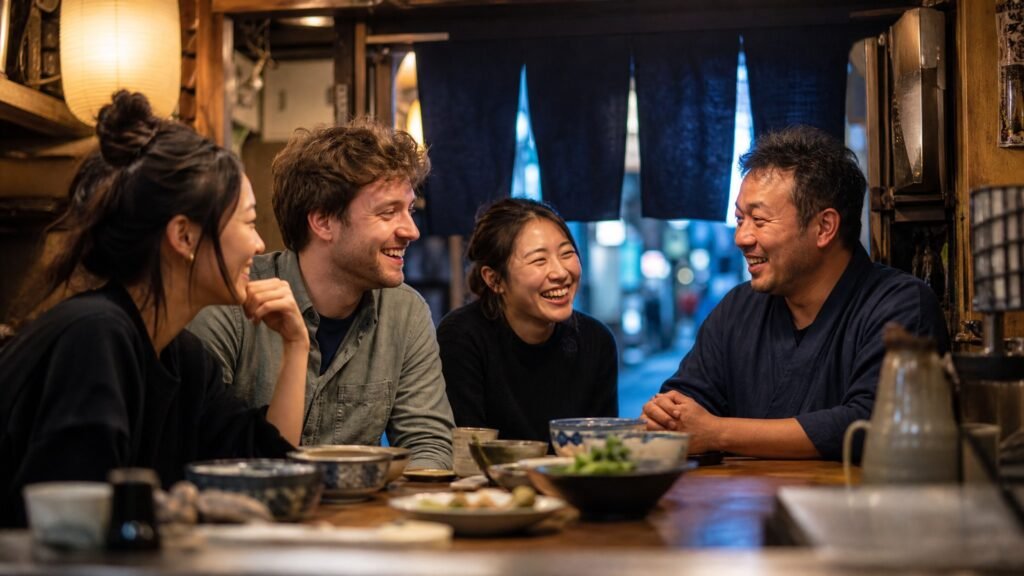
We’ve spent over 12 years running food tours and cultural experiences across Japan for international visitors, and it’s taught us that a successful family tour depends on adapting, not on some perfect plan executed flawlessly. One recent family with a nonverbal autistic child needed the whole itinerary rebuilt mid-day when a planned market visit turned out too loud. We pivoted to a private garden tea ceremony that kept their original cultural interest while respecting their child’s sensory needs. Another family discovered their teenager’s anime obsession centered on a niche series you won’t find in mainstream shops, so our guide tracked down a specialty store in a residential neighborhood, and it became the highlight of their whole trip despite appearing on no tourist map.
Moments like these define our approach better than any checklist could. We’ve learned that a good kid-friendly food Tokyo tour sometimes means finding a bakery with Western-style bread when Japanese flavors are too much, or recognizing that a kid’s fascination with vending machines deserves twenty minutes of exploration rather than a rushed brush-off. Every family brings its own dynamics that no template can anticipate, and our joy comes from meeting those specifics with real local knowledge instead of generic solutions. When you inquire about a custom itinerary, tell us about your kids as people: their quirks, their passions, their fears, their joys. That’s what lets us design something that fits your actual family, not an imagined ideal one.