Tokyo is still the world capital of anime-themed dining, and each neighborhood has its own flavor: Akihabara, Shibuya, and Harajuku each run their own culinary subculture. Planning a trip for 2026? The challenge isn’t finding these spots anymore. It’s telling apart the genuine cultural experiences from the tourist traps built to sell merchandise, not meals. An anime food tour Tokyo visitors can actually plan around gives you a structured way to connect your favorite series to real neighborhoods, through taste rather than just sightseeing.
We believe the best travel memories happen when fandom meets real local life, not when the two stay in separate lanes. Washoku Club City has over 12 years of experience blending traditional food culture with modern pop culture for international visitors, and we’ve built our tours to close that gap. You get to eat like your favorite characters while learning about the culinary traditions that inspired them in the first place.
Why Combine Anime Pilgrimage With a Tokyo Food Tour?
Most travelers treat anime locations and dining as separate checklist items, a shrine in the morning, generic ramen at night, no connection between the two. That approach misses the thread that makes Japanese pop culture compelling in the first place.
Beyond the Gift Shop: Tasting the Culture
An anime food tour gives you cultural context that guidebooks can’t. When you visit a location from a popular series with a knowledgeable guide, you learn why a specific dish appears in a certain scene, and how regional ingredients shaped a character’s preferences. A simple meal becomes a narrative experience where every bite carries meaning beyond its flavor.
You’re not just eating. You’re taking part in a living tradition that ties fictional worlds to real culinary heritage.
How Local Guides Bridge Pop Culture and Culinary Tradition
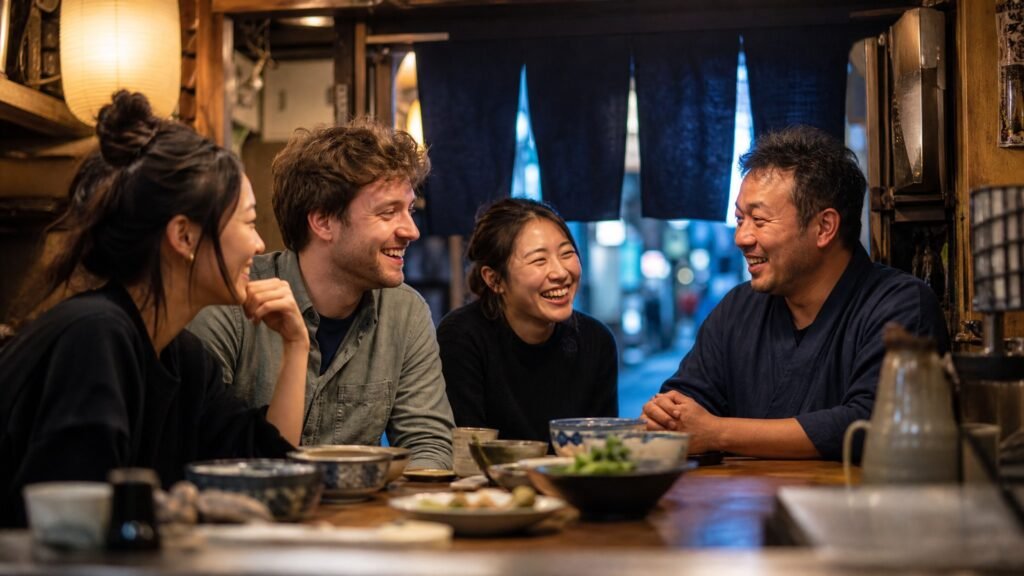
Our local guides emphasize that a genuine anime food experience needs both things: the iconic photo opportunity and the real culinary quality you’ll find in a neighborhood izakaya. Plenty of venues that look perfect on social media serve mediocre food aimed squarely at tourists, while the unassuming shop next door has been turning out great dishes locals have loved for decades. A guided tour gets you both sides without burning your vacation time on a disappointing meal.
That balance matters, because the trips people remember honor both the passion for anime and the respect for Japanese cuisine, together.
Akihabara Food Tour: Otaku Eats in Electric Town
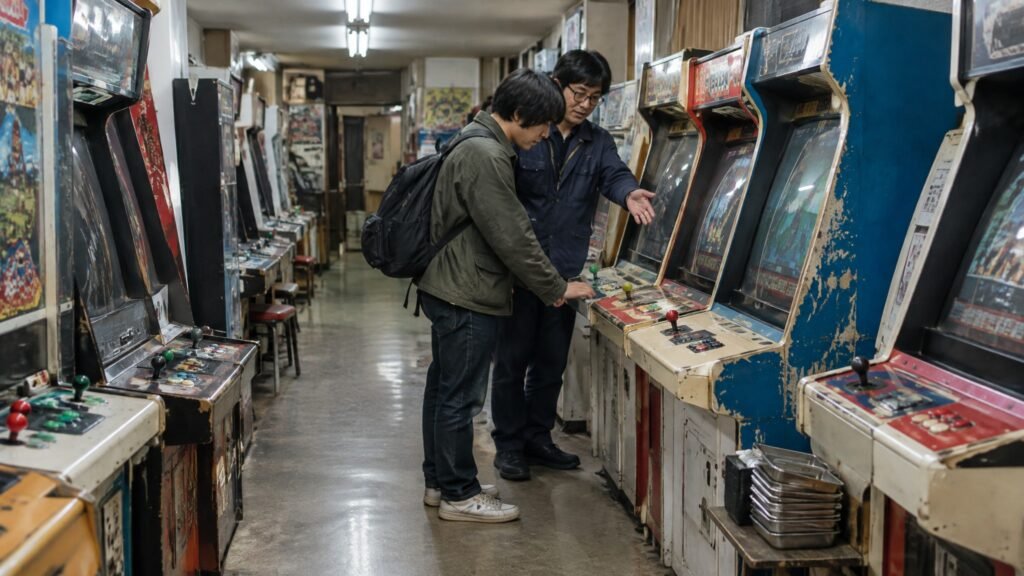
Akihabara sits on most anime pilgrimage itineraries, yet plenty of visitors leave having eaten only at themed cafes, missing the neighborhood’s real culinary backbone. Its identity goes well beyond maid cafes and character collaborations. Decades of working-class dining culture sustained the otaku community here long before tourism showed up.
Themed Cafes Versus Authentic Local Izakayas
Famous character cafes deliver the photo opportunities and the limited-time menu items fans want, but they rarely reflect what Akihabara residents eat on an ordinary Tuesday night. Standing bars and ramen shops tucked beneath the train tracks serve the same customers who browse the figure shops upstairs, at prices that reflect local wages, not tourist premiums. Our guides help you move between both worlds, so you get the iconic shot without giving up on flavor.
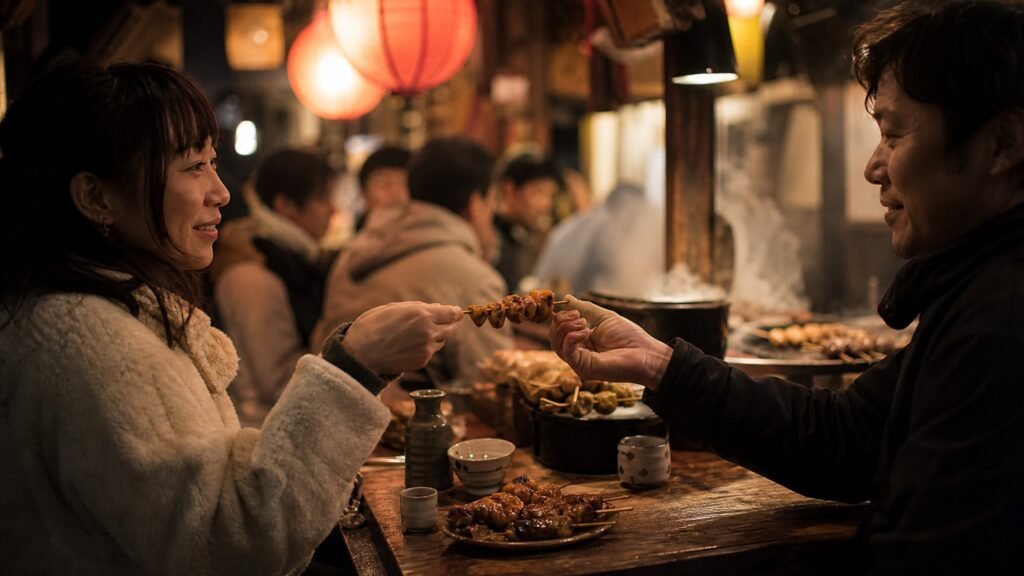
If you want to balance the themed eats with classic Japanese pub culture, a traditional izakaya tour with a local guide is the right contrast to the neon-lit cafe scene.
Street Food Snacks Between Anime Shopping Stops
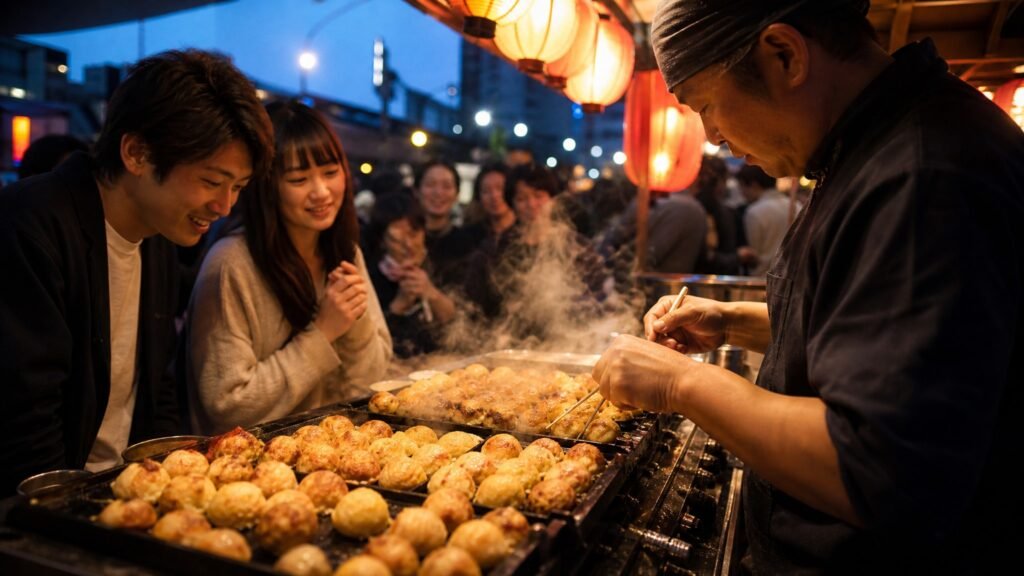
The narrow streets branching off Chuo-dori hide vendors selling taiyaki, croquettes, and grilled skewers, fuel for a shopping marathon that doesn’t need a reservation. These snacks show up as background details in slice-of-life anime all the time, but few international visitors recognize them or know which stalls are actually worth the stop. Sampling them between retail visits keeps your energy up and adds a layer of texture that no indoor venue can match.
Street food here is the connective tissue between the major attractions. It turns transit time into discovery time.
Shibuya and Harajuku Themed Food Spots for Anime Fans
Akihabara caters to hardcore collectors; Shibuya and Harajuku draw the fashion-forward fans who care about aesthetics as much as story. The themed food scene here leans toward presentation that mirrors anime art styles, while still holding the ingredient standards you’d expect in a trendy Tokyo neighborhood.
Character-Inspired Desserts and Parfaits
Harajuku’s dessert cafes build elaborate parfaits and pancakes that turn character designs into edible art, using seasonal fruit, artisanal cream, and house-made components rather than artificial coloring. These stay on the menu long after the limited-time pop-ups close, because they’re ongoing craftsmanship tied to the neighborhood’s identity, not a temporary licensing deal. You’ll find fluffy soufflé pancakes layered with matcha cream that echo magical-girl transformations, or fruit sandwiches arranged to match the color palette of a beloved romance series.
Many top-tier themed restaurants in Akihabara and Harajuku sit in upper-floor units with no English signage, so guided navigation isn’t a luxury for first-time visitors, it’s what gets you in the door. Our team knows which buildings hide the gems and how to place your order when the menu has no translation, so you reach the spots solo travelers walk right past. If you’re also exploring the area’s style scene, our Harajuku fashion and street style guide pairs well with the food side of things.
Hidden Gems Near Major Anime Retailers
The blocks around Shibuya’s flagship anime stores hold small restaurants built for fans browsing nearby, invisible to anyone just walking past. Many specialize in a single dish, perfected over years of serving the same repeat customers who want consistency, not novelty. Finding them takes local knowledge that goes beyond a map search, since a lot of them sit above ground level or down an alley with no visible sign.
Your guide works as both translator and cultural interpreter here, explaining the ordering system and the etiquette that’s different from a standard restaurant.
Iconic Anime Restaurants and Real-World Dishes to Try
Certain dishes show up so often across anime genres that they’ve become cultural shorthand, standing in for comfort or celebration depending on the scene. Knowing these staples helps you order with confidence even at a restaurant with no anime theme at all.
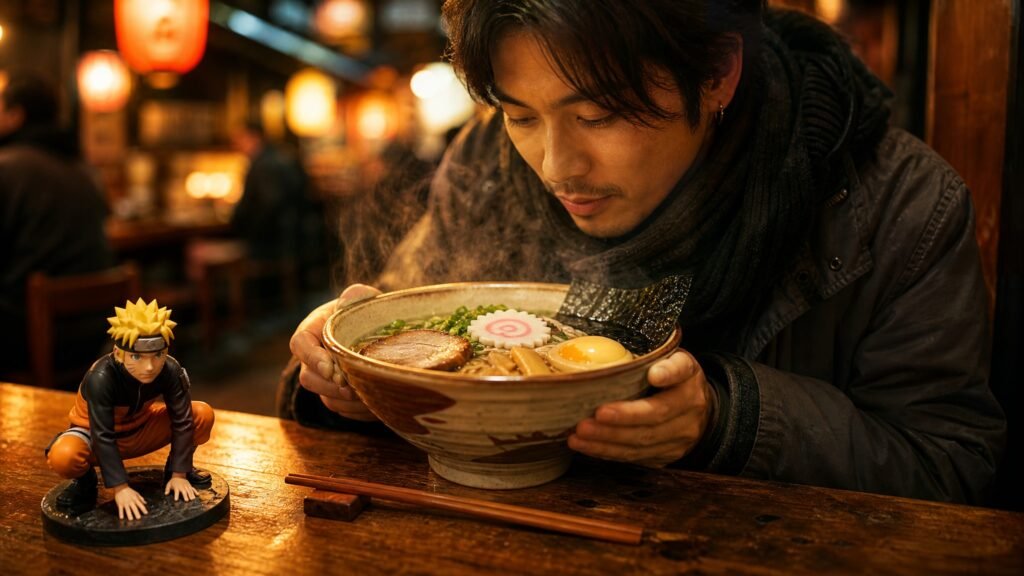
Tonkotsu ramen shows up in countless series as the ultimate late-night meal for students, workers, and heroes alike, but the Tokyo version differs a good deal from the Fukuoka original. Pork bone broth simmered for hours gives it a creamy texture, paired with thin noodles and tender chashu, warmth that outlasts any single franchise tie-in. Ramen is a staple anime food trope, and grounding it in real culinary quality matters more than chasing a temporary collaboration. Check out our guide to the best local ramen shops and tips for venues that deliver on both fronts.
Fluffy Japanese pancakes are a different genre entirely, showing up in slice-of-life and romance anime as a symbol of leisure and friendship rather than sustenance. These thick, jiggly creations take a technique and a patience that most Western brunch spots don’t have, which makes them worth trying regardless of which series sent you looking. Cut into one and you’ll find layers of airy texture that photograph well and taste even better fresh off the griddle.
Curry rice sits between comfort food and adventure, showing up as cafeteria fare in school anime and as adventurer’s rations in fantasy series. Tokyo-style curry runs thicker and sweeter than the Indian or Thai versions, with vegetables and meat simmered until tender over steamed rice. This dish anchors a lot of anime food tour Tokyo itineraries, because it satisfies hunger reliably while tying you to the everyday Japanese life shown on screen.
These dishes are available year-round at established restaurants, unlike the pop-up events that vanish after a few weeks and leave latecomers disappointed.
Manga Cafe Experience Tokyo: Dining, Reading, and Resting
Manga cafes trip up a lot of first-time visitors, who expect a library and find private booths with full food menus instead. They serve two purposes at once: cultural immersion and a practical rest stop on an exhausting touring day, somewhere to go when hotel check-in is still hours off or you just need quiet.
Private booths come with reclining seats, power outlets, and access to thousands of manga volumes, plus drink bars and hot food menus running from pasta to fried chicken. Entry usually means showing ID and picking a time package, after which staff assign you a booth and walk you through ordering by tablet or paper slip. Photography rules vary a lot by venue, and some ban cameras entirely to protect other customers’ privacy, so a guide is useful for navigating those unspoken boundaries without causing offense.
This isn’t a restaurant in the usual sense, and despite the name, it isn’t really a bookstore either.
Understanding manga cafe etiquette takes the anxiety out of it for newcomers worried about breaking a rule they didn’t know existed. Staff expect international visitors and value basic courtesy over perfect Japanese, so asking questions reads as respect, not ignorance. Many cafes now offer English instructions or multilingual tablets, though the older places still run on gestures that a guide can smooth over.
Booking a Private Anime Food Tour With a Local Guide
Getting into the niche themed venues takes planning, because capacity limits and reservation systems favor an organized group over a walk-in. Small restaurants built for a dedicated fanbase rarely take last-minute bookings, especially in peak travel seasons.
Customizing Stops for Specific Fandoms
Washoku Club City builds each itinerary around specific anime interests rather than pushing every guest through the same route. Tell us which series matter to you, and we’ll adjust the stops to include the relevant locations while keeping the culinary standard consistent. That customization covers pacing and neighborhood focus too, and how much of the day leans themed versus traditional.
If you want to see how anime stops fit into a broader culinary plan, our comprehensive Tokyo food tour itinerary shows how pop culture sits alongside classic food experiences.
Navigating Dietary Restrictions at Themed Venues
Themed restaurants can be tricky for travelers with allergies, religious restrictions, or vegetarian needs, because the menu is often a fixed set built around a character concept rather than something flexible. A translation app alone won’t cut it here, kitchen staff may not follow cross-contamination risk or an alternative prep method without a detailed explanation. Our guides have that conversation directly with the venue before you arrive, confirming a safe option exists or lining up an alternative if it doesn’t.
If you have specific dietary needs, our vegetarian-friendly food tours in Tokyo offer customized support that doesn’t cost you the anime experience.
Booking early locks in both guide availability and the venue reservations that fill up months ahead during cherry blossom season and autumn foliage. Last-minute requests sometimes work out, but advance notice gets you a much wider range of the experiences in this guide.
Practical Tips for Your Tokyo Pop Culture Food Experience
Cash still rules at a lot of the older otaku establishments, even with Japan’s broader shift toward digital payment. Carry enough yen for cover charges, drinks, and small purchases at venues without a card terminal or foreign payment support. Convenience store ATMs take international cards reliably, so withdrawing cash is simple even if your home bank has no partnership with a Japanese institution.
Peak hours at popular character cafes land on weekend afternoons and holidays, and the wait times eat into touring hours you didn’t plan to lose. Weekday mornings or early evenings are calmer, staff can engage with you more, and photos don’t feel rushed. Your guide watches the real-time crowd situation and adjusts timing on the fly rather than sticking to a fixed schedule.
Photography policy is worth real attention, because breaking it can get you thrown out or banned in a way that affects the next fan through the door. Some spaces allow unlimited food photos but ban interior shots; others restrict images entirely to protect the atmosphere for everyone. Guides explain the rules at the door and model the right behavior, so you get to document the experience without disrupting anyone else or facing an awkward moment.
Respecting the venue’s rules and the other patrons is really what decides whether themed dining stays open to international fans long-term. Following the guidelines is how you show appreciation for the communities that built these spaces, and how they stay open for the next traveler who shares your passion.