A private cooking class in Tokyo with a local chef offers something a restaurant meal or a large group workshop can’t: genuine intimacy with Japanese food culture. You’re not just following a recipe card in a commercial kitchen. You’re stepping into the daily rhythm of washoku alongside someone who lives it. This hands-on approach turns a standard travel activity into a personal exchange where questions flow freely and techniques stick because they’re tailored to you.
We believe the best culinary memories come from participation rather than observation, which is why we design these sessions as immersive add-ons to your broader itinerary. Whether you’re a complete novice or an experienced home cook after deeper knowledge, a private setting means the experience revolves entirely around your curiosity and comfort level.
Why Choose a Private Cooking Class in Tokyo Over a Group Session
Large commercial classes often prioritize throughput over understanding, leaving little room for the nuances that make Japanese cuisine distinct. A private session removes those constraints. You dictate the pace and focus on the specific skills or dishes that matter most to your own culinary journey back home.
Customizing the Menu to Your Dietary Needs and Interests
Standard group classes typically offer a fixed menu that rarely bends for complex dietary requirements without real compromise. In a private setting, your instructor builds the lesson plan around your specific needs, whether that means a fully vegan dashi alternative or adjusted seasoning ratios for gluten-free soy sauce substitutes.
That flexibility extends beyond allergies to pure interest. You can request regional specialties or family-style dishes you’ve always wanted to learn. You might spend three hours perfecting tamagoyaki if that’s your passion, while a group class would rush through it in fifteen minutes to stay on schedule.
The Value of One-on-One Instruction With a Local Chef
Technique correction happens instantly when you have a dedicated instructor watching your knife work and hand movements. Private sushi making classes often move beyond basic rolls into hand-pressed nigiri and seasonal temaki, techniques that need individual feedback you simply won’t get in a crowded room.
You also gain access to the chef’s personal knowledge, including stories about ingredient sourcing and family traditions that never make it into a standardized curriculum. This direct mentorship speeds up learning because every explanation targets your current skill level instead of averaging out to the lowest common denominator.
Market Shopping With Your Guide: The Foundation of Authentic Japanese Home Cooking
Authentic Japanese home cooking begins long before you enter the kitchen. It starts in the produce aisles and fish counters, where quality gets judged by sight and touch. Shopping at local supermarkets with a guide turns grocery selection into a cultural lesson, teaching you to read labels and spot seasonal markers you’d otherwise walk right past.
Navigating Local Supermarkets and Specialty Shops
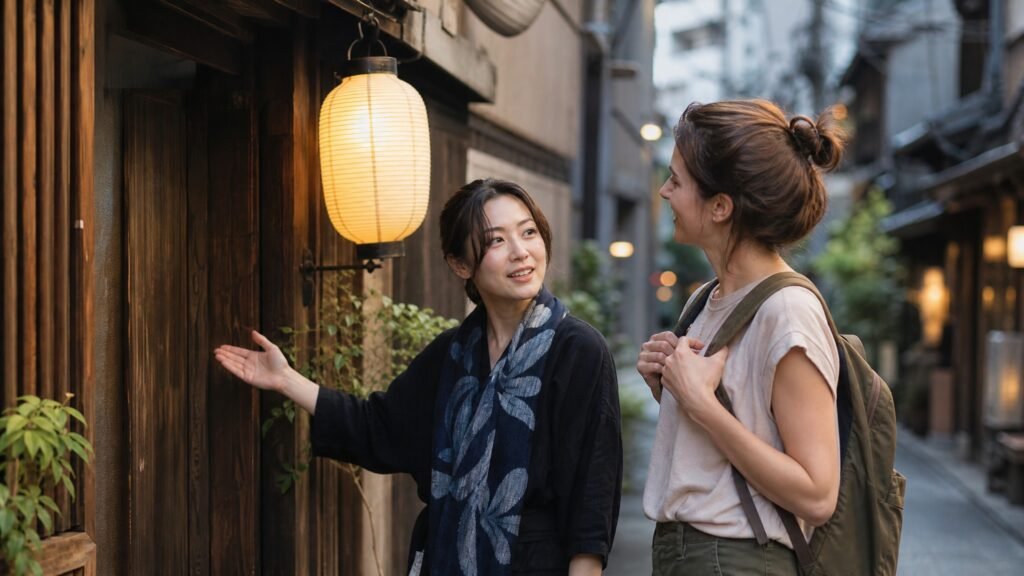
Japanese supermarkets run on different logic than Western grocers, with sections arranged by preparation method rather than food category. Your guide walks you through these systems while introducing you to neighborhood specialty shops, tofu makers and pickle vendors that tourists rarely find on their own.
You learn to tell apart similar-looking ingredients that serve completely different purposes in washoku preparation. Reading packaging becomes part of the education too, since it demystifies product names and helps you spot authentic versions of staples you might want to buy later.
Selecting Seasonal Ingredients for Washoku Dishes
Seasonality drives Japanese cuisine more than any other factor. It dictates what appears on menus and in home kitchens throughout the year. Your guide shows you how to spot peak-season produce and explains why certain vegetables get paired with specific proteins during particular months.
This knowledge directly shapes your cooking session, so the dishes you prepare reflect the current moment rather than a generic textbook recipe. Understanding seasonality also gives you a framework for adapting Japanese cooking principles to whatever’s available back home after you return.
Hands-On Japanese Cooking Experience Tokyo: What You Will Actually Make
The menu in a private Japanese cooking experience Tokyo session is a living document, shaped by your preferences, the season, and whatever the market has that morning. Rather than following a rigid syllabus, you and your chef decide together what to prepare based on what looks freshest and what skills you most want to build.
Sushi Making Class Tokyo Private Options Beyond Basic Rolls
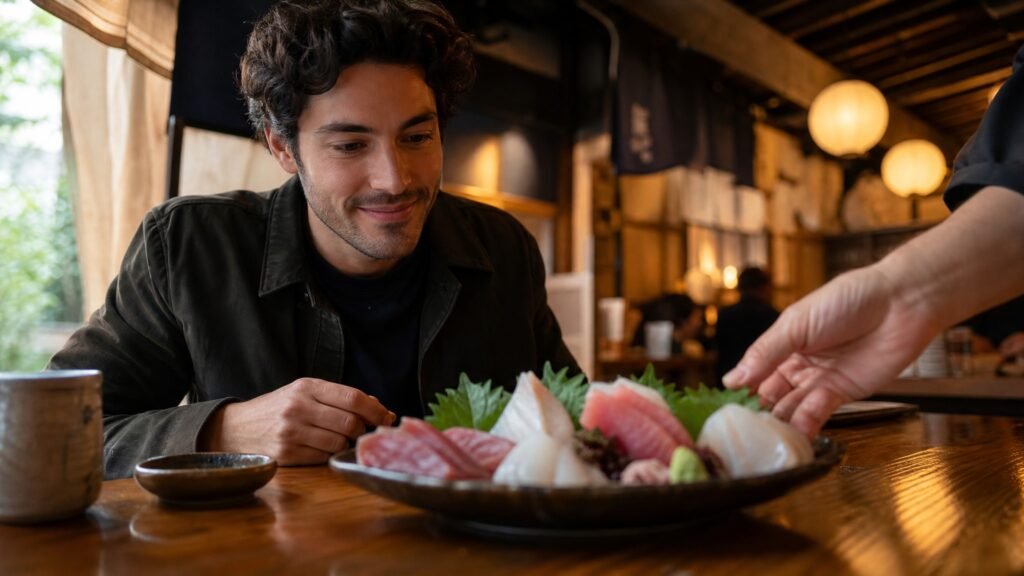
Many visitors assume sushi means maki rolls, but private instruction opens up the wider world of hand-formed and pressed varieties. You can focus on nigiri shaping techniques that demand precise rice temperature control and fish slicing angles, skills that need the focused attention only a private sushi making class Tokyo private session can give.
Temaki parties offer another option, where everyone makes their own cone-shaped rolls with customized fillings at the table. This format works beautifully for families or small groups after a social, interactive meal rather than formal plating instruction.
Traditional Home-Style Dishes and Seasonal Specialties
Home-style washoku covers simmered dishes, grilled items, and soups, the backbone of everyday Japanese meals. These are often the dishes locals actually eat at home, a sharp contrast to the restaurant-focused repertoire taught in many tourist-oriented classes.
You might learn to balance sweet and savory flavors in nikujaga, or master the gentle heat management that proper miso soup needs so it doesn’t boil away its aroma. Each dish teaches transferable principles about layering umami and respecting ingredient integrity, principles that apply across countless variations.
Adapting Recipes for Your Kitchen Back Home
Learning authentic techniques matters less if you can’t replicate them outside Japan because the ingredients aren’t there. Your instructor teaches substitution logic alongside traditional methods, showing you how to get similar results using alternatives you can actually find at home.
You leave with notes on which compromises work and which ones fundamentally change the dish, so you can keep practicing after you’re back. This practical focus on adaptation is what separates a real cooking class with local chef Japan experience from a one-off entertainment activity.
Pairing Your Tokyo Home Cooking Experience With Food Tours and Cultural Activities
A standalone class teaches technique, but combining it with other experiences builds the context that deepens everything you taste afterward. We recommend treating your Tokyo home cooking experience as an anchor point, one that enriches the meals and cultural encounters that follow.
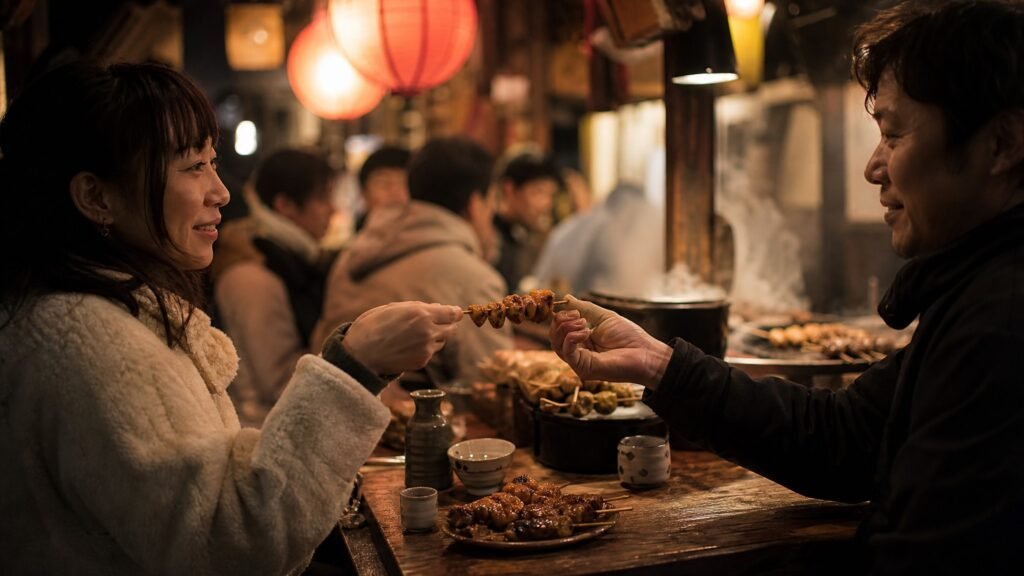
Combining Morning Classes With Evening Izakaya or Night Food Tours
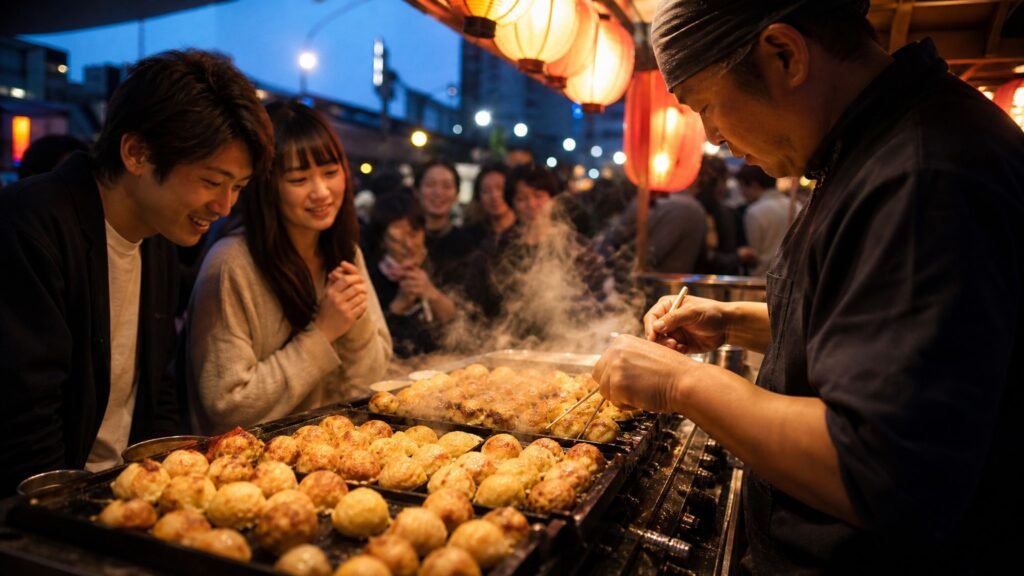
Spending a morning learning to prepare dishes gives you vocabulary and reference points for judging restaurant versions later that same day. An evening food exploration after your class lets you compare your handmade results against professional interpretations, so you notice differences in technique and ingredient quality that would otherwise pass unremarked.
This combination also prevents palate fatigue by balancing active creation with passive enjoyment across your itinerary. You arrive at dinner with fresh appreciation for the craft behind each plate, rather than treating it as just another meal.
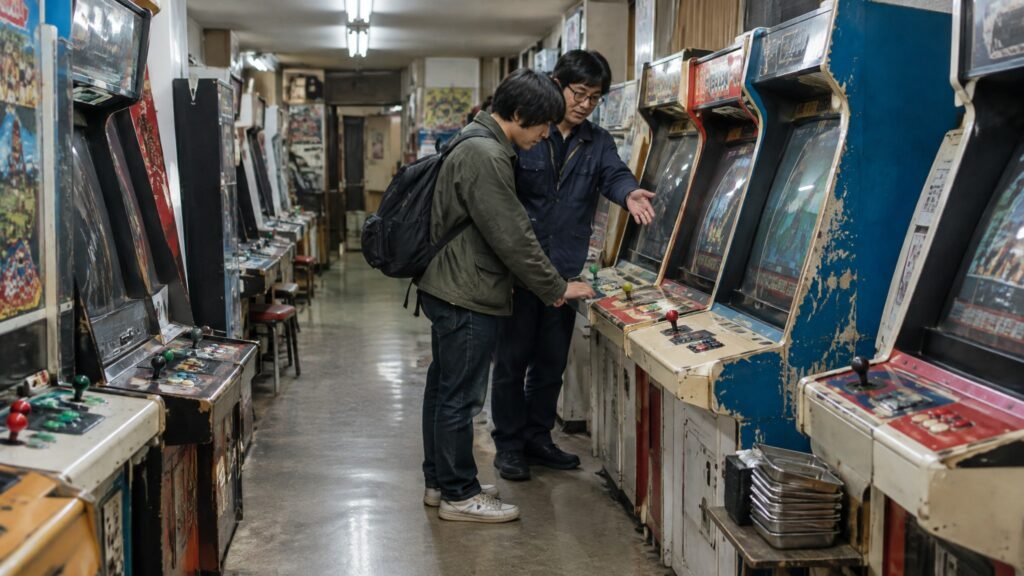
Adding Pop Culture and Anime Themes to Your Culinary Day
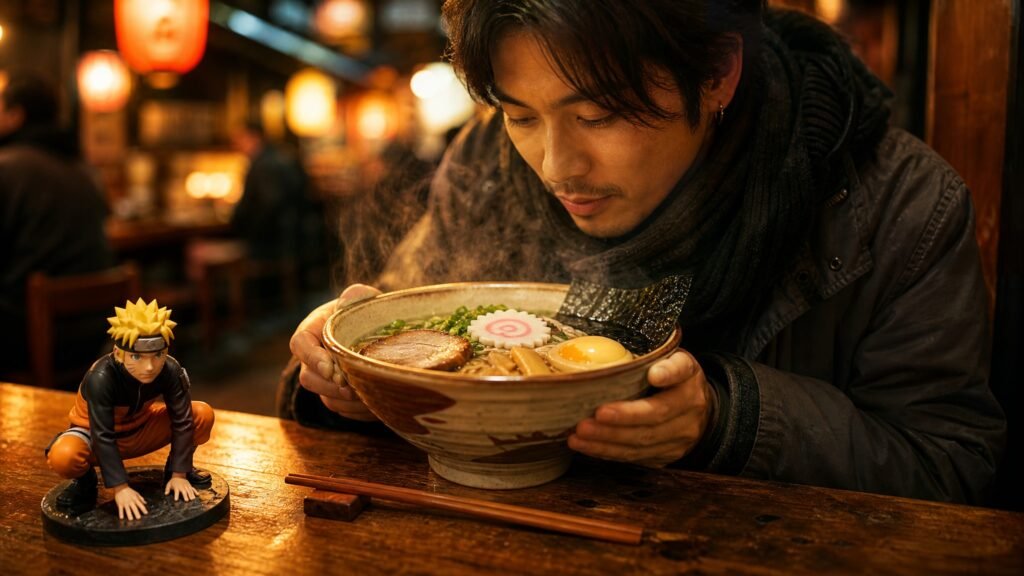
Food frequently works as a narrative device in anime and manga, with specific dishes carrying emotional or cultural weight within storylines. Anime-inspired culinary experiences let fans recreate specific dishes from popular series, showing how traditional washoku techniques apply to modern pop culture.
These themed sessions bridge entertainment interests with real culinary education, making traditional techniques feel relevant to contemporary passions. Even participants unfamiliar with the source material enjoy the creative angle. It adds a memorable storytelling dimension to standard cooking instruction.
What to Expect During Your Private Session With a Local Chef
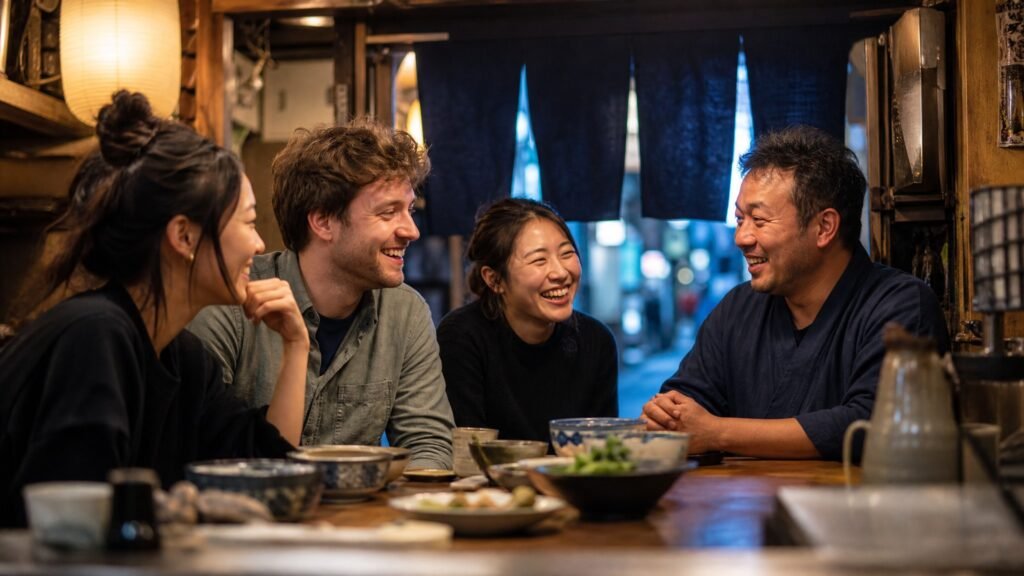
Your private session follows a natural arc from market visit through shared meal, typically running four to five hours total depending on menu complexity. The atmosphere stays relaxed and conversational throughout, more like time spent with a knowledgeable friend than formal classroom instruction.
No prior culinary experience is necessary. Instructors adjust demonstrations and expectations to match your comfort level completely. First-timers get patient guidance through foundational skills, while experienced cooks can skip the basics and dive straight into advanced techniques or niche requests.
You’ll prep ingredients together after returning from the market, talking through each component’s role before the actual cooking starts. The session ends with sitting down to eat everything you’ve prepared, turning your effort into a shared celebration rather than mere practice.
How to Book the Right Cooking Class With Local Chef Japan Experience
Selecting the right provider means looking past attractive photos to verify real qualifications and transparent policies. When choosing the right food experience, prioritize operators who show genuine local integration rather than those offering generic tourist packages with interchangeable content.
Vetting Instructor Backgrounds and Language Proficiency
Confirm that your instructor has both culinary expertise and enough English fluency to explain nuanced concepts clearly. Technical cooking vocabulary differs a lot from conversational language, so ask specifically about teaching experience with international students rather than assuming general bilingual ability is enough.
Washoku Club City has run food tours and cultural experiences across Japan for over 12 years, a foundation that lets it weave market education into its cooking classes. That longevity points to established relationships with local suppliers and teaching methods refined over time, things newer operators may not have yet.
Understanding Pricing and Inclusions for Private Bookings
Private bookings cost more than group classes because they reserve exclusive instructor time and often include premium market ingredients. Check whether the quoted price covers all shopping expenses, or whether certain specialty items come with an extra charge during the market visit.
Tell your guide about dietary restrictions as soon as you book, rather than waiting until you arrive. Proper accommodation needs advance sourcing of alternative ingredients. Book early for private slots, since qualified chefs have limited availability, especially during peak travel seasons.
If you’re ready to secure your spot, you can book a private local guide directly through our reservation system to start customizing your session.
Frequently Asked Questions About Private Tokyo Cooking Classes
Logistical details matter when planning immersive experiences around fixed travel dates and varying group compositions. Most concerns come down to uncertainty about how flexible private sessions really are compared to structured group offerings.
Frequently Asked Questions
Can children participate in private cooking classes?
Yes, private sessions welcome children and adapt activities to age-appropriate skill levels safely. Instructors assign simpler tasks like washing vegetables or shaping rice balls while adults handle knife work and stove management. This inclusive approach makes the experience enjoyable for entire families rather than excluding younger participants.
Is alcohol served during the cooking class meal?
Some private experiences include sake or beer pairing with the meal you prepare, though this varies by provider and venue licensing. Always confirm beverage inclusions when booking, as some home-based sessions cannot legally serve alcohol. Non-alcoholic options like seasonal teas are always available regardless of alcohol policy.
What happens if I need to cancel my private booking?
Cancellation policies differ among operators, with most requiring several days’ notice for full refunds due to reserved ingredient purchases and instructor time. Private sessions involve higher upfront costs than group classes, making last-minute cancellations financially impactful for hosts. Check specific terms before confirming, and consider travel insurance for protection against unforeseen changes.
Do I need to bring anything to the cooking class?
Everything needed for cooking and dining is provided, including aprons, utensils, ingredients, and printed recipe notes. Comfortable closed-toe shoes are recommended for safety during extended standing periods in kitchen environments. Bring only your appetite and curiosity, as all specialized equipment and consumables are included in the session fee.