We’ve watched first-time visitors to Akihabara completely lose track of time here, and honestly, we get it every single time. What began as Tokyo’s postwar electronics market has become the undisputed global capital of anime, gaming, and collector culture. An akihabara pop culture tour isn’t just a shopping trip; it’s a full sensory experience that rewards every extra hour you give it. The problem is that most visitors wander in, hit one or two obvious stores on the main drag, and leave having scratched only the surface. A curated route, and someone who knows which staircase leads to the real finds, changes everything.
Why Akihabara Deserves a Full Day (Not Just a Stroll)
Akihabara’s transformation is genuinely remarkable. The district packed itself floor by floor with anime merchandise, retro consoles, doujinshi, trading cards, and rhythm game machines until it became something no other city on earth has replicated. Every multi-story building is its own micro-ecosystem: a different genre, era, or subculture on each floor.
Solo exploration is great fun, but it’s also easy to miss the best stuff entirely. The most valuable stock, rare figures, first-edition manga, import-only releases, rarely sits at street level. It hides upstairs, behind unmarked doors, or in basement bargain bins that only regulars know to check. That’s exactly why a guided akihabara pop culture tour unlocks layers a solo visit simply can’t. We’ve seen guests walk past a building three times before realising it contained an entire floor dedicated to vintage Game Boy cartridges.
Give it a full day. You’ll need it.
Planning Your Akihabara Pop Culture Tour: Timing & Logistics
Best time of day and week to visit
Weekday mornings are the sweet spot. Shops open around 10–11 AM, crowds are thin, and you can browse at your own pace without fighting for space in narrow aisles. Weekend afternoons are a different beast: Chuo-dori, the district’s main boulevard, fills with street performers, cosplayers, and dense tourist foot traffic. That energy is fun for about an hour, less fun when you’re trying to compare cartridge prices.
If you’re visiting during a major anime release window or a gaming convention weekend, expect the whole district to be busier than usual. Check Tokyo’s seasonal highlights and festival calendar before you finalise your dates. It’s worth timing your Akihabara day to avoid overlapping with a district-wide event unless you specifically want that atmosphere.
Getting there and navigating the Electric Town Exit
Take the JR Yamanote Line or the Chuo-Sobu Line to Akihabara Station. Both are fast and direct from central Tokyo. The moment you step off the train, follow signs for the Electric Town Exit, this is your landmark starting point and drops you directly into the action. The exit faces Chuo-dori, and from there the whole district fans out within easy walking distance.
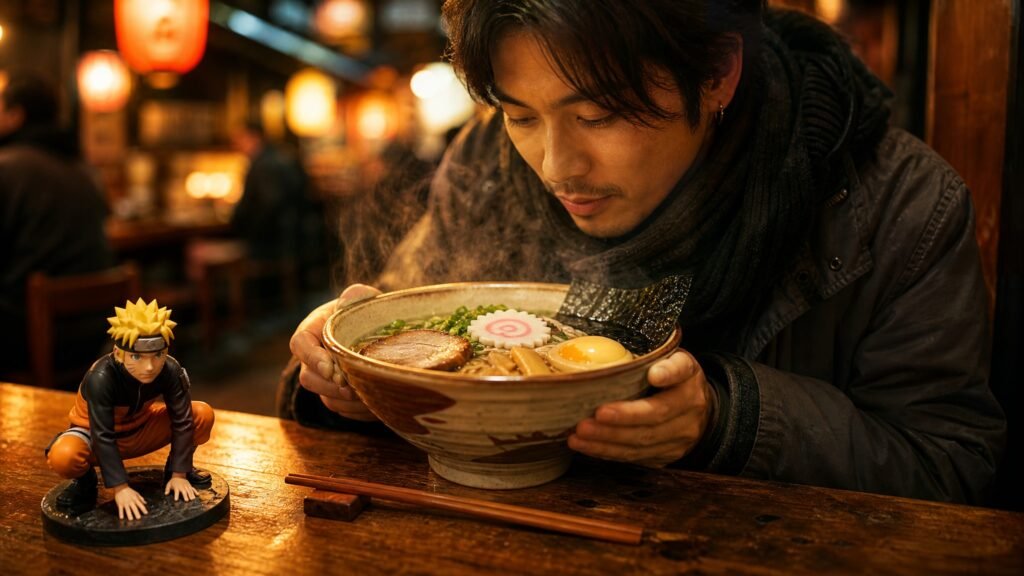
Fuel up with a proper bowl of ramen before you dive in, there are solid options within a few minutes of the Electric Town Exit, and trust us, you’ll be glad you ate before spending three hours climbing stairs.
The Curated Walking Route: Akihabara Anime Shops, Arcades & Hidden Floors
Start: multi-floor anime and manga shops (Animate, Mandarake, Surugaya)
Begin on the north end of Chuo-dori and work your way south. Animate is the logical first stop, it’s the largest chain retailer for new anime and manga releases in Japan, and the Akihabara branch is well-stocked with official merchandise, Blu-rays, and seasonal tie-in goods. It’s polished and easy to navigate, which makes it a good warm-up.
From there, cross over to Mandarake. This is where things get serious. Mandarake’s Akihabara complex is a multi-floor labyrinth of used manga, vintage figures, and rare doujinshi. Locals and collectors routinely find items here that would cost several times more sealed and new in flagship stores. Go slow. Read the price tags carefully. Check every floor.
Surugaya is another excellent stop for used merchandise and trading cards, often with slightly different stock from Mandarake, worth a look if you’re hunting something specific or if you enjoy the treasure-hunt dynamic of second-hand collecting.
These three stores alone could absorb two to three hours. Budget accordingly, and this is exactly why we call it a full-day tour.
Fans planning a deeper dive into Japanese pop culture will also love exploring anime pilgrimage sites across Japan, real-world locations from Your Name, Demon Slayer, and Jujutsu Kaisen that we can weave into a longer Tokyo itinerary.
Middle: gaming arcades in Akihabara, from UFO catchers to rhythm games
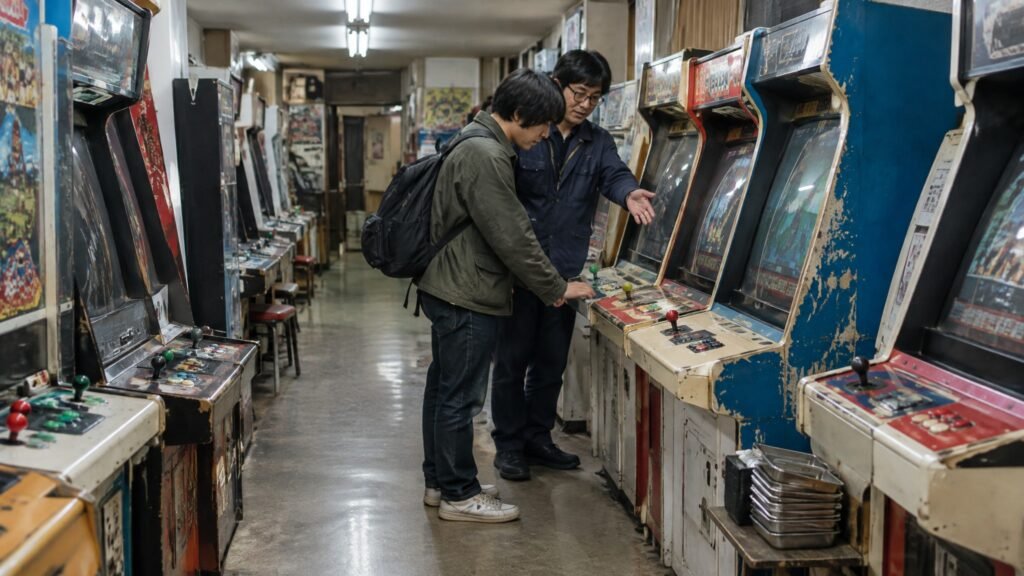
No akihabara shopping guide is complete without the arcades. The gaming arcade akihabara scene is still going strong, even as arcade culture has faded elsewhere. SEGA and Taito Station both operate large multi-floor venues in the district, and the floor logic is consistent across most buildings: UFO catcher crane games dominate the ground floor (they’re designed to draw you in), while rhythm games like Taiko no Tatsujin and Dance Dance Revolution occupy the middle floors. Competitive gaming, fighting games, dedicated tournament setups, clusters on the upper floors where the serious players congregate.
Don’t be intimidated by the UFO catchers. They’re genuinely fun, the prizes are legitimate anime merchandise, and even a few failed attempts cost less than a cup of coffee. If rhythm games are your thing, budget some extra time: these machines get competitive, and watching skilled local players is free entertainment.
End: retro game stores and collector’s heaven
Finish your route in the side streets east of Chuo-dori, where the akihabara retro games scene lives. Super Potato is the anchor store here, a beloved retro game specialist stocking cartridges and consoles from the Famicom era through the early PlayStation years. The narrow staircase and cramped shelves are half the charm. Prices are clearly marked, the stock is well-organised by platform, and the nostalgia hits hard.
Beyond Super Potato, the surrounding blocks hold smaller independent shops dealing in vintage hardware, boxed games, and peripheral curiosities you won’t find anywhere else. Our guides know which of these are worth your time and which cater mostly to walk-in tourist curiosity rather than genuine collector value.
Maid Cafe Akihabara: What to Expect and How to Choose
Maid cafes are one of Akihabara’s most distinctive experiences, and one of the most misunderstood. Here’s what you need to know before you walk through the door.
When you arrive, staff (dressed as maids or butlers, depending on the venue) welcome you with an enthusiastic greeting ritual. You’re treated as a “master” or “mistress” returning home. The menu is mostly light food and drinks, often decorated with cute designs. At some point, the staff will guide you through the “moe moe kyun” chant, a theatrical, cheerful moment that’s genuinely fun once you know it’s coming, and deeply awkward if you don’t.
Most maid cafe akihabara venues charge a cover fee (typically ¥500–¥700 per person) on top of per-item food and drink orders. Photography of staff usually requires a paid photo session rather than snapping freely. These rules are explained at the door, but knowing them in advance means you walk in relaxed rather than confused.
@home cafe and Maidreamin are consistently the best entry points for first-timers: English menus, staff accustomed to international guests, and a cover charge model that’s explained clearly before you sit. Both have multiple Akihabara locations. For guests who want a gentler introduction, these are our go-to recommendations.
A guide really earns their keep here, setting expectations beforehand so the experience is delightful rather than disorienting.
Akihabara Shopping Guide: Tourist Markup vs. Local Pricing
Where the value is (and where to skip)
The honest answer most visitors need: ground-floor flagship shops on Chuo-dori carry tourist-facing prices. They’re convenient, well-lit, and stocked with exactly what you’d expect, but you’re paying a premium for that accessibility.
The difference between a rewarding Akihabara visit and an overwhelming one often comes down to knowing the building logic: ground floors are retail-facing and tourist-priced; the higher you climb, the more specialist, and often better-value, the stock becomes. Upper floors and side-street shops, especially second-hand stores like Mandarake and Surugaya, offer dramatically better value on figures, manga, and gaming hardware. This is where we always direct our guests first.
New, sealed merchandise is priced consistently across Japan. You won’t find a discount on a brand-new figure just because you’re in Akihabara. The real savings live in the used and vintage markets.
Tax-free shopping and what to bring
Foreign visitors are eligible for tax-free purchases (currently a 10% consumption tax exemption) at participating retailers on qualifying purchases, generally above ¥5,000 in a single transaction. Bring your passport, it’s required at the point of sale. Not every small shop participates, but major retailers and many mid-size stores do. Look for the tax-free signage at the entrance.
We always tell our guests: carry some cash. Many smaller and specialist stores in Akihabara remain cash-preferred, and an ATM run mid-tour is a momentum killer.
Book a Guided Akihabara Tour With Us
After more than 12 years leading tours across Tokyo, our guides know which floors of Akihabara’s multi-story buildings hold the real collector finds, and which ones are dressed up for tourist foot traffic. That knowledge turns a good visit into a great one.
When you join us for an akihabara pop culture tour, you get an insider routing that skips the confusion and goes straight to the good stuff. You get someone who can read Japanese labels, negotiate at the counter, explain maid cafe etiquette before it matters, and adjust the pace if you want to spend an extra 45 minutes in the Mandarake vintage figure section (we’ve been there, we understand). You get a flexible day that fits your interests, heavy on arcades, heavy on manga, or a balanced mix of everything.
Akihabara pairs beautifully with the rest of Tokyo too. You can extend your day with a Tokyo food tour in the evening, turning a pop culture afternoon into a full day in one of the world’s most exciting cities.
Ready to explore? Head to japanlocalandfunexperiences.com to browse our Tokyo experiences and book your guided Akihabara day. We’d love to be your local friends on the ground.