Planning a vegetarian tour of Japan takes more than booking a few restaurants. You need to understand how regional food cultures define plant-based eating across the country. We’ve spent over 12 years guiding international travelers through Tokyo, Kyoto, and Osaka, and we’ve learned that real dietary safety comes from local knowledge, not translation apps. A good plant-based Japan itinerary connects Tokyo’s modern innovation with Kyoto’s ancient temple traditions and Osaka’s evolving street food scene, so you never feel like an afterthought in the kitchen.
Why a Multi-City Vegetarian Tour Beats Single-City Food Tours
Stick to one city and you miss the range of Japanese plant-based cooking, because regional specialties decide what’s naturally vegetarian and what needs modification. Kyoto’s shojin ryori tradition is fully plant-based temple cuisine that needs no changes at all, while many Tokyo izakaya dishes lean on fish-based dashi. Cross a prefectural border and the whole experience shifts under you. A meat-free travel plan that spans multiple regions gives you a safety net of variety that no single city can match on its own.
Dietary needs vary a lot by region, and you need a guide who knows the local map to travel without constant anxiety. Tokyo is great at adapting Western-style vegan dishes and modern interpretations. Rural areas and traditional hubs, though, often keep older cooking methods where animal products are baked into the fermentation process itself. That’s why your multi-day vegetarian trip gets richer and safer when you work with people who understand these distinct culinary dialects, rather than assuming one rule applies everywhere.
Sample 7-Day Vegetarian Japan Tour Itinerary Across Tokyo, Kyoto, and Osaka
This framework balances the big sights with dining we’ve actually verified, so you can see what a realistic week looks like when your diet is planned for from day one. We’ve spent over 12 years running customized vegetarian and vegan food tours across Tokyo, Kyoto, and Osaka, and we build these schedules so every meal is confirmed safe before you arrive.
Tokyo: Modern Plant-Based Eats and Hidden Temples
Tokyo is the easiest introduction to contemporary Japanese plant-based dining, because the capital leads the country in explicit vegan labeling and international-friendly menus. Spend your first two days in neighborhoods like Shimokitazawa and Koenji, where you’ll find restaurants reimagining traditional flavors without animal products. For more detail on specific spots, our guide to vegetarian ramen shops in Tokyo covers places where rich broths get their umami from vegetables and kelp instead of pork or chicken bones.
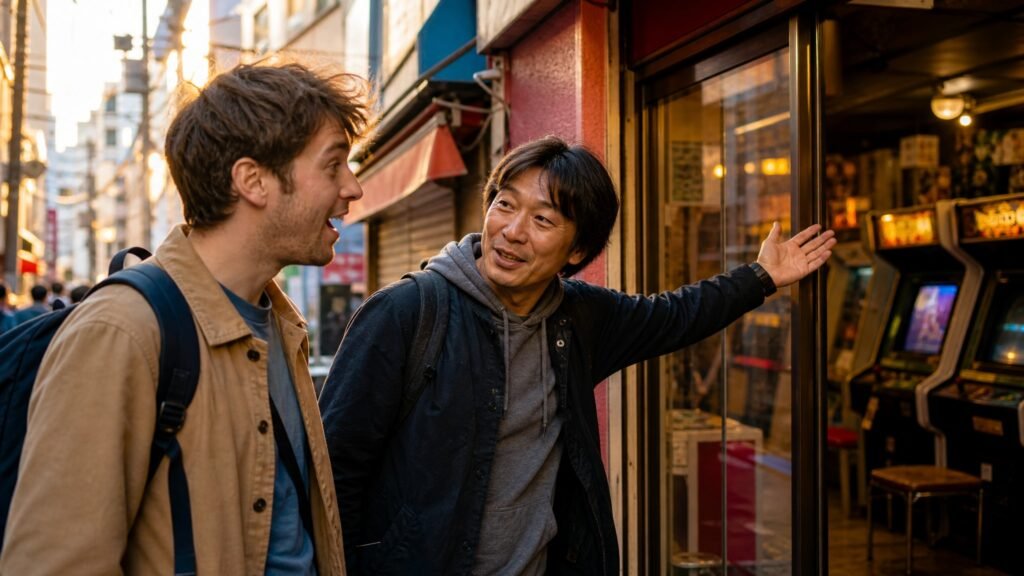
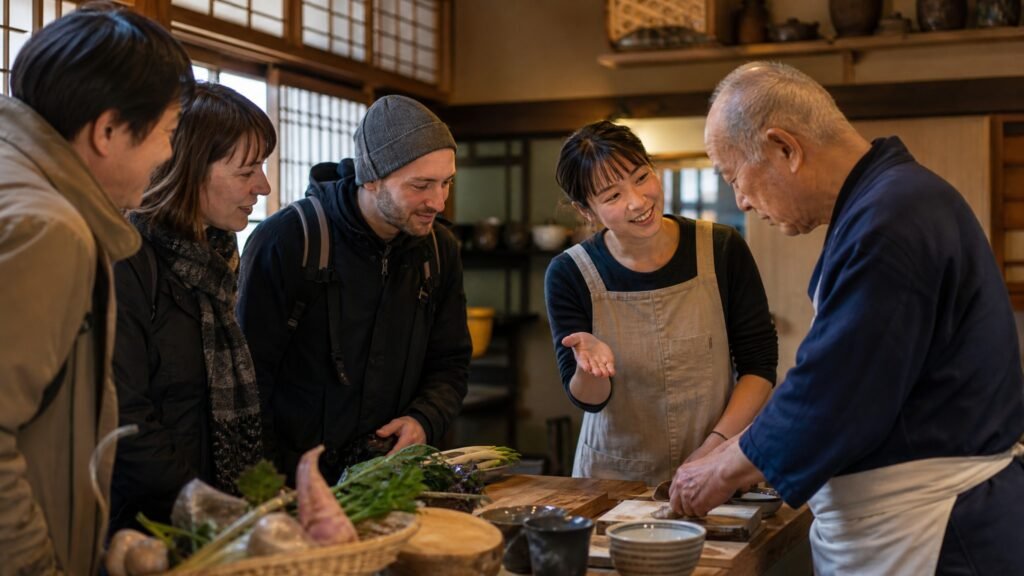
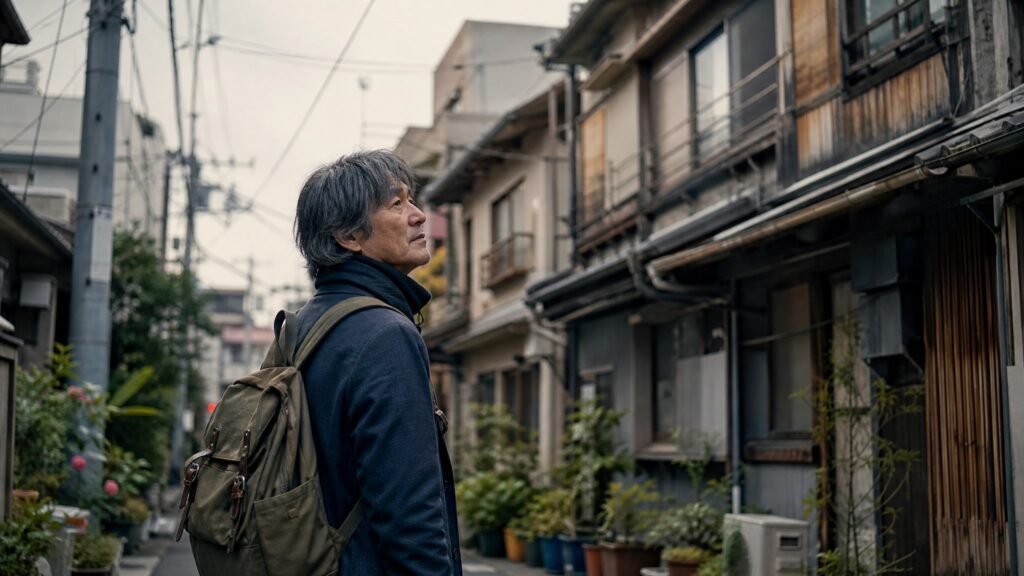
A dedicated vegetarian food tour in Tokyo also opens doors to smaller places that don’t advertise their plant-based cooking online but will prepare something excellent with a little advance notice. You’ll find these tucked into temple precincts and residential backstreets, a quieter counterpoint to the neon districts most visitors stick to.
Kyoto: Shojin Ryori and Matcha Culture
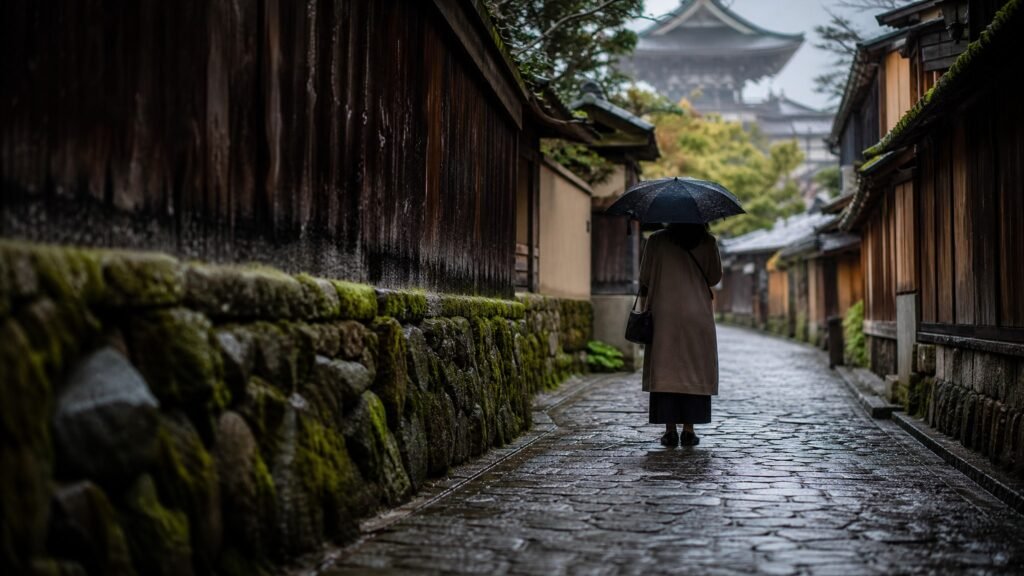
Kyoto is the spiritual heart of Japanese vegetarian cuisine. Buddhist temple cooking has kept plant-based traditions alive here for centuries, with no compromise needed. Plan at least one formal shojin ryori lunch at a temple restaurant, where seasonal vegetables and tofu preparations show you that restriction breeds creativity rather than limits it. Book a private food tour in Kyoto and you’ll visit places that keep strict separation between utensils and cooking surfaces, which matters a great deal if you’re managing severe allergies or firm ethical commitments.
Matcha culture in Uji and Gion also brings naturally plant-based sweets and teas, though you’ll still want to check that a wagashi confection doesn’t contain honey or gelatin binders. A local guide can tell you which tea houses are traditionally vegan and which modern cafes have added dairy or other animal ingredients to widen their appeal.
Osaka: Vegan Street Food and Local Markets
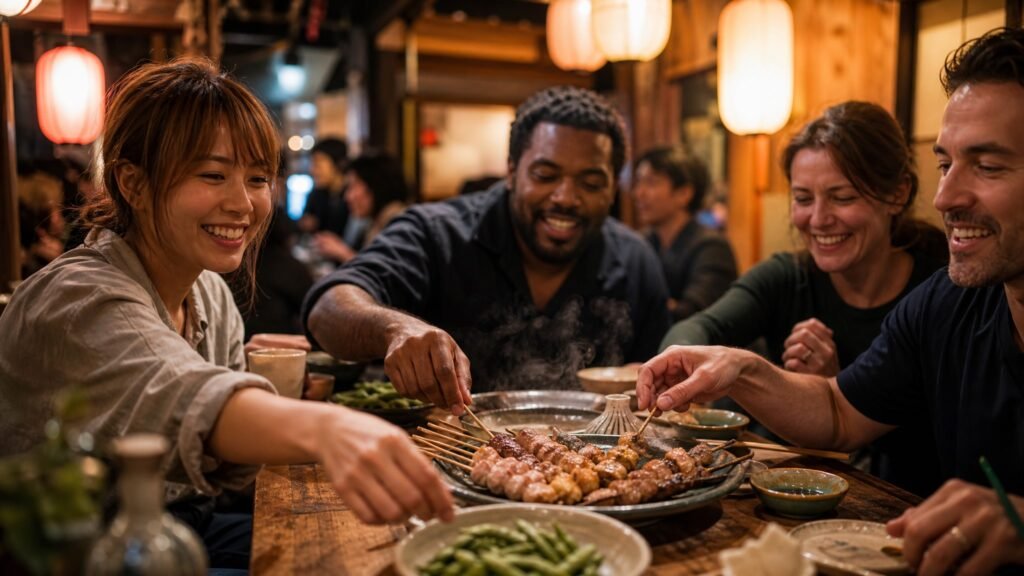
Osaka breaks the idea that Japanese street food is off-limits for vegetarians, because the city’s merchant culture runs on adaptation and direct customer feedback. Kuromon Market and Dotonbori have seen a rise in explicitly vegan-labeled street food stalls since 2024, so meat-free takoyaki alternatives made with konjac or mushrooms instead of octopus are much easier to find now. That shift comes from growing demand at home as well as from tourism, so what you’re eating is genuine local innovation, not something dressed up for visitors.
Balance your market days in Osaka with sit-down dinners at okonomiyaki restaurants that run dedicated vegetable grills. The city’s direct, friendly style of talking makes dietary conversations easy here too, as long as you have someone who knows the local dialect and the right ingredient terms.
Navigating Dietary Needs Across Regions With a Local Guide
Standard vegetarian translation cards often miss the finer questions, like what the dashi stock is made from or which fermentation agents were used, and that’s how animal products end up on your plate by accident. Kitchen staff might answer “yes” to a card asking if a dish contains meat, without realizing the soy sauce was brewed with fish extract or the miso aged with bonito. You need a human who can explain the why behind your restriction, not just the what. Cultural context decides whether a chef feels comfortable adapting a recipe or would rather just decline.
Communicating Restrictions Beyond Basic Translation Cards
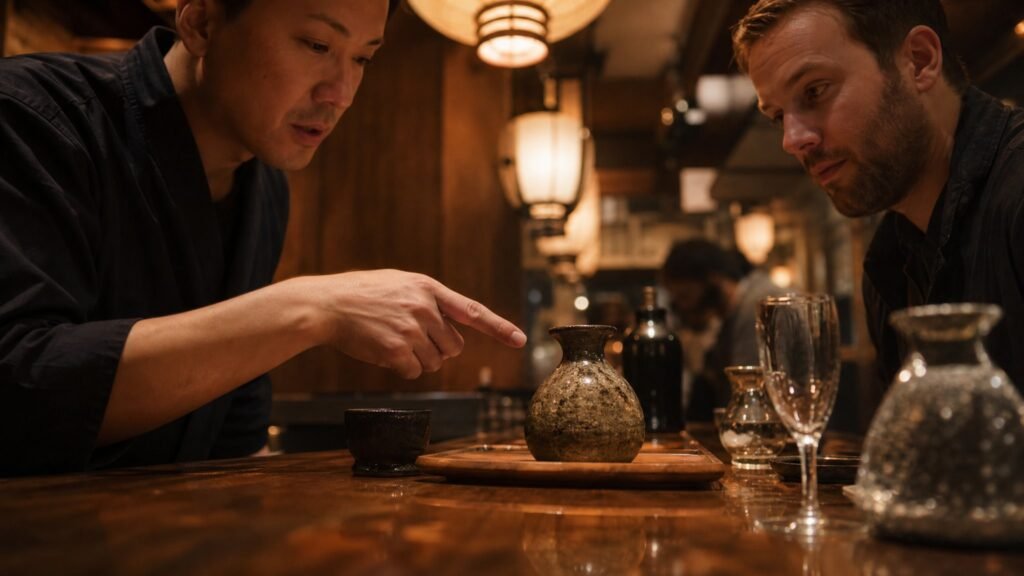
Good communication means explaining cross-contamination concerns and telling a religious restriction apart from an ethical one or an allergy, in terms a Japanese kitchen actually recognizes. A guide translates intent, not just words, so the chef understands that pulling the visible meat out of a dish doesn’t make it plant-based if the broth underneath is still the problem. That kind of relationship builds trust a printed card never could, and turns a potential friction point into a bit of culinary collaboration.
Regional Differences in Dashi and Fermented Ingredients
Every city hides its own ingredient pitfalls, because fermentation traditions grew up separately across Japan’s regions, and generic advice can’t cover all of them. Kyoto’s white miso tends to be sweeter and rice-based, often naturally vegan, while Kyushu’s barley miso frequently has fish worked in during aging, even when the label reads “vegetable-forward.” Knowing these distinctions keeps you from unpleasant surprises and lets you actually enjoy the regional variety instead of gambling on every meal.
Customizing Your Plant-Based Japan Trip Itinerary for 2026
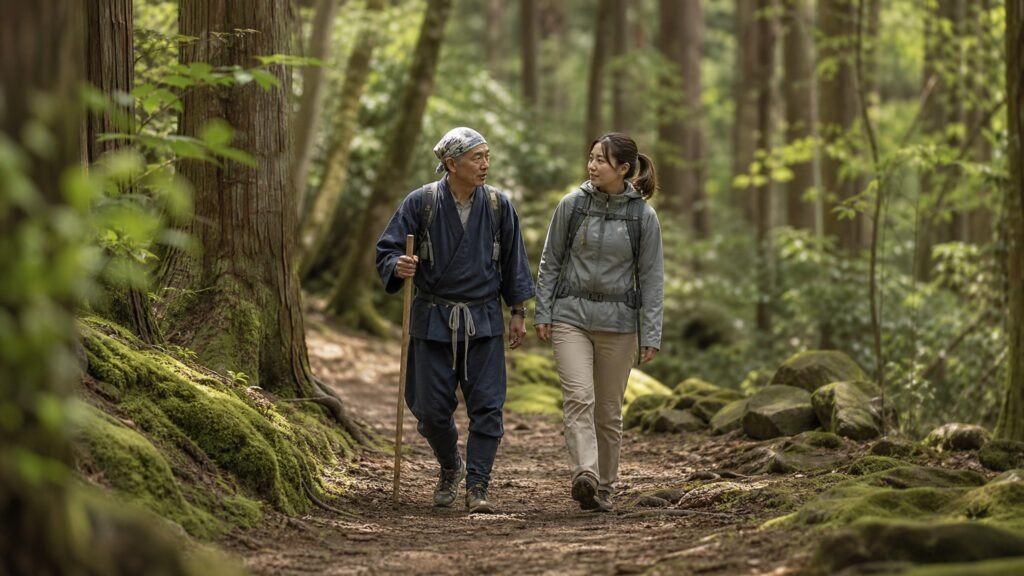
Your interests go beyond food, and a schedule built entirely around meals would miss the reason you picked Japan in the first place. Flexibility matters if you’ve got a niche passion, whether that’s timing your trip around an anime convention in Tokyo or building in hiking days on the Kumano Kodo, where mountain lodge meals need weeks of advance coordination. We build itineraries that keep your diet safe while still leaving room for the things you actually care about to shape each day.
Seasonal events in 2026 and 2027 give you a chance to combine cultural immersion with plant-based dining: think autumn temple illuminations with special shojin menus, or spring cherry blossom festivals with dedicated vegan yatai stalls. These windows pass fast and need precise timing, so building a trip around them takes someone who tracks event calendars and restaurant participation all year.
Private Tour Customization vs. Generic Group Options
Fixed-menu group tours push you into set restaurants built for the lowest common denominator of dietary needs, which often means repetitive meals or modified dishes that lose their authenticity along the way. A private guide pre-vets every place against your specific restrictions and paces the day so you’re never rushed through a meal or anxious about what’s next. Still weighing your options? Our resource on choosing the right food tour breaks down what to look for when comparing operators.
Customization also means your guide can pivot mid-day, whether a restaurant unexpectedly closes or you stumble onto a new interest, something a rigid group schedule simply can’t do. That kind of responsiveness turns disruptions into the kind of unplanned discovery that ends up being the highlight of the trip.
Practical Tips for Meat-Free Japan Travel Planning
A multi-city vegetarian itinerary takes some logistical prep beyond restaurant research, because Japan’s reservation culture runs on a different clock than most Western travelers expect. Plan ahead and your dietary needs get built into the bookings themselves, instead of arriving as a last-minute request that strains the kitchen.
Booking Windows and Seasonal Considerations
Popular vegetarian-friendly restaurants in Tokyo and Kyoto now need reservations four to eight weeks out for dinner, especially during peak seasons like cherry blossom and autumn foliage. Book early and you avoid settling for a lesser option once the best tables fill up months in advance. Our custom multi-day Japan tour packages handle this coordination for you, so you can spend your energy on anticipation instead of a spreadsheet.
Packing Essentials for Dietary Peace of Mind
Pack a few backup snacks, protein bars, nuts, instant miso soup packets, as insurance against delays or mixed signals while you’re moving between cities. Rural train stations and highway rest stops can be short on clearly labeled options, so familiar food on hand keeps your energy steady while you find your footing in unfamiliar territory. That small buffer means you can walk into every meal with confidence, knowing you’ve got a fallback if you need one.