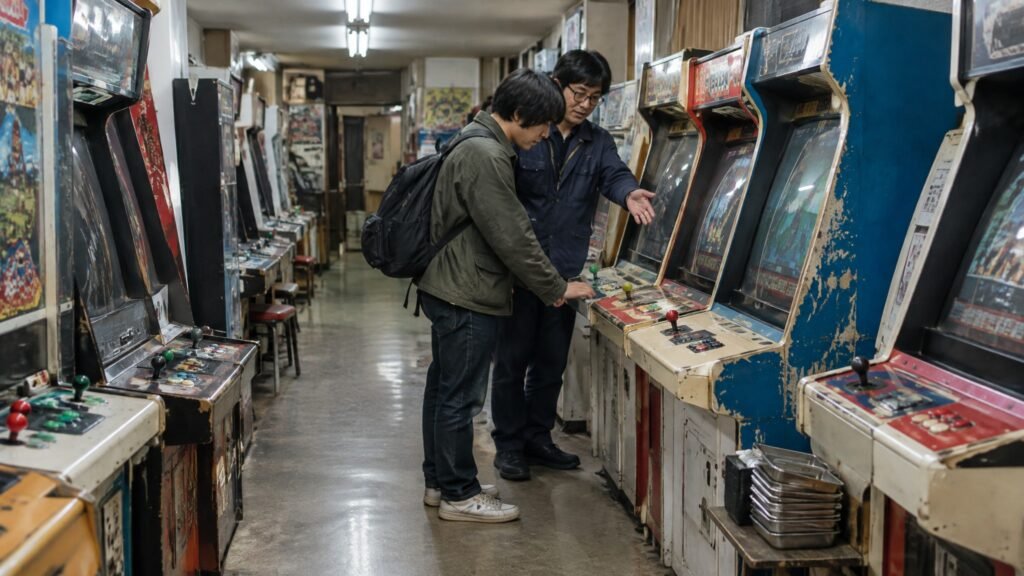
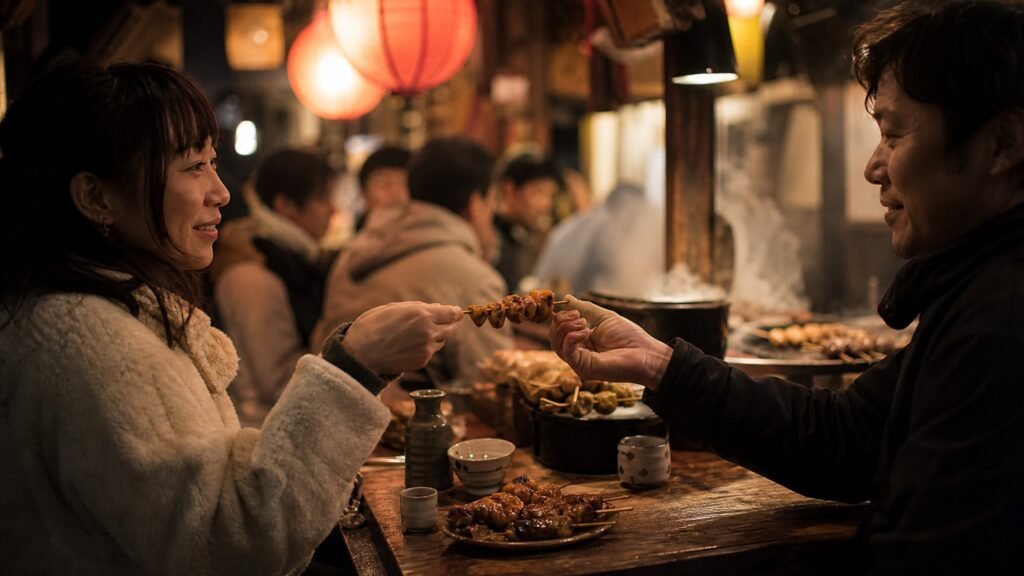
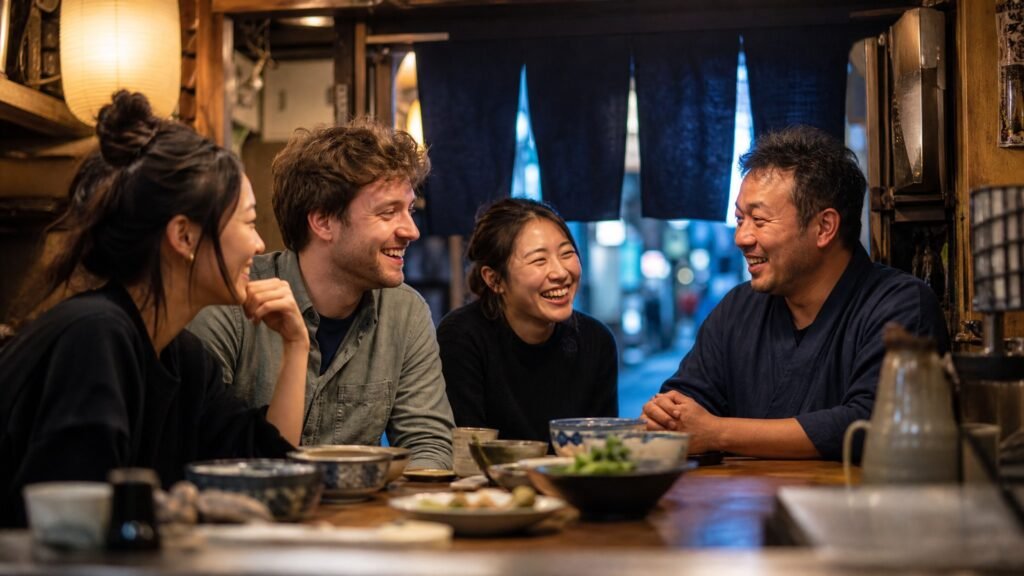
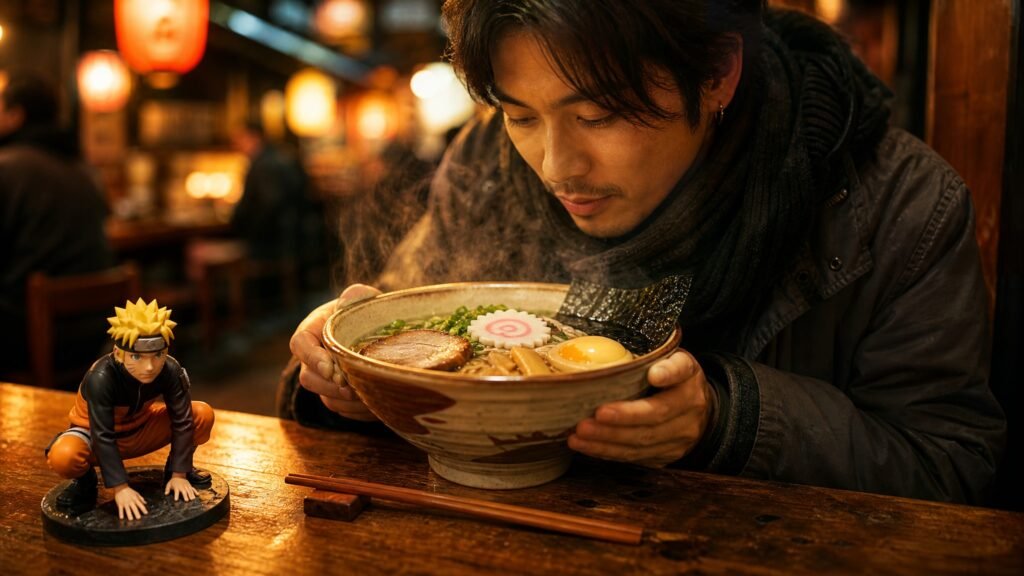
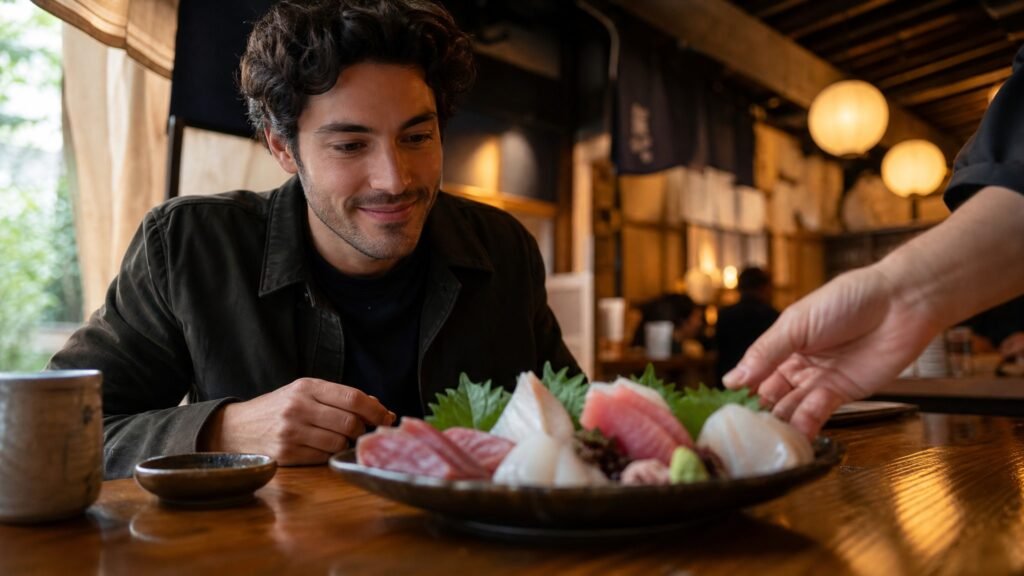
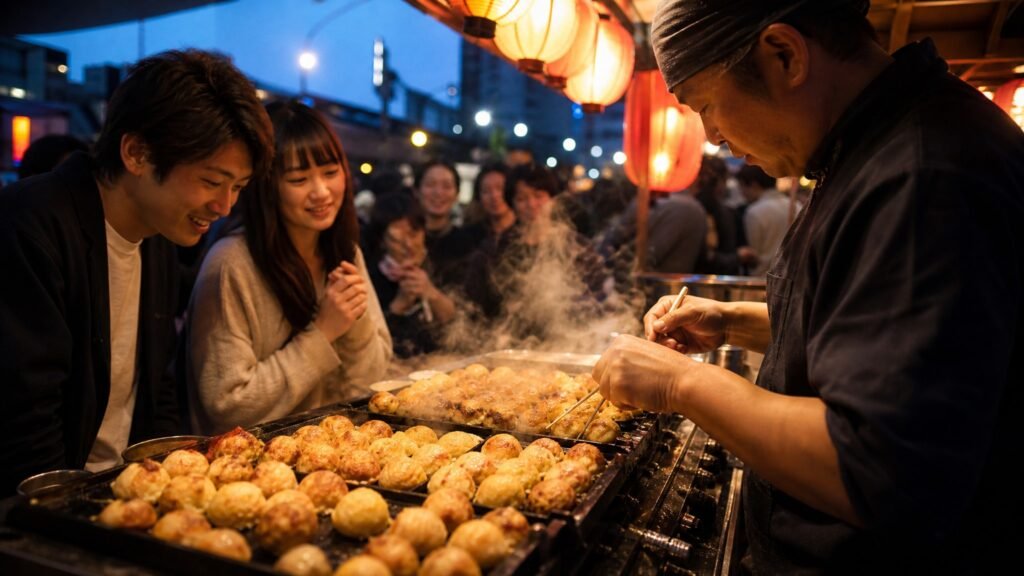
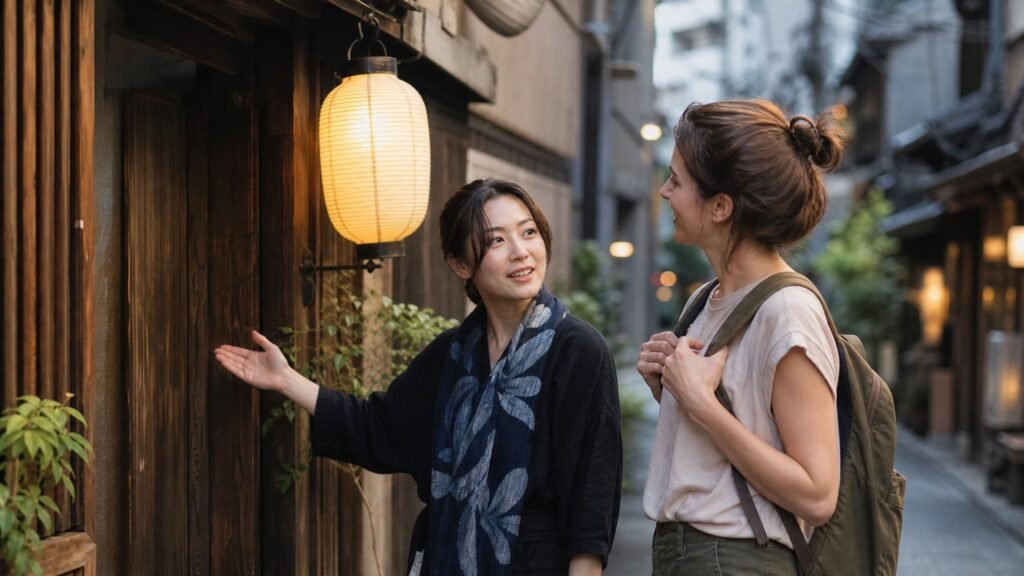
Kyoto rewards the curious eater, but its best flavors often hide behind unmarked doors and language barriers that guidebooks can’t bridge. We believe the most memorable meals happen when you stop following a map and start following a local friend who knows exactly which noren curtain to push aside. A private food tour in Kyoto turns dining from a logistical puzzle into a real conversation with the city’s culinary soul, and it gets you stories and tastes that stay invisible to the casual passerby.
Why Choose a Private Food Tour in Kyoto Over Group Options
Large group tours run on fixed schedules that put efficiency ahead of connection. They often rush past the very details that make Kyoto’s food culture special. Your private guide adjusts the whole afternoon around your real-time reactions, lingering at a pickle shop when you show interest, or skipping a planned stop because you’ve already found your new favorite snack.
Access to Hidden Kitchens and Family-Run Shops
We’ve spent over 12 years building relationships with multi-generational Kyoto vendors who rarely open their doors to standard tour groups. These artisans trust us because we bring respectful guests who listen, not crowds that snap photos and move on, and that trust is what gets you into workshops where tofu has been made the same way for decades. On our private tours, we often duck into side alleys in Nishiki Market where artisans still hand-grind sesame seeds using traditional stone mills, a practice that’s disappearing from the main commercial streets.
Pacing That Matches Your Appetite and Curiosity
You set the rhythm of your own Kyoto food experience. No holding up strangers, no racing to make a pre-booked reservation. If a dish sparks questions about fermentation or regional history, your guide stays and helps you talk it through with the chef instead of checking a watch.
That flexibility means you never leave a table feeling rushed, and you never linger at a stop that isn’t clicking for you.
Signature Neighborhoods for an Authentic Kyoto Culinary Tour
Kyoto’s micro-seasons mean ingredient availability shifts roughly every two weeks, which is exactly why a guide who tracks these windows matters so much for timing your visit right. Knowing where to go matters just as much as knowing when. Each neighborhood plays a different role in the city’s food culture.
Nishiki Market: Beyond the Main Street Stalls
The main aisle of Nishiki draws tourists after quick bites, but the real food tour experience lives in the perpendicular alleys where locals actually buy dinner ingredients. We guide you toward specialty shops selling aged miso, seasonal river fish, and house-made tsukemono pickles that have fed Kyoto kitchens for centuries. These vendors light up for visitors who ask about production methods instead of just pointing at the display case, and that curiosity opens up tastings you won’t find on any English-language menu.
Gion and Pontocho: Evening Atmosphere and Traditional Flavors
An evening food tour through these historic districts pairs atmospheric beauty with dining spots that welcome respectful visitors. Plenty of travelers focus only on geisha spotting, but we pair that cultural appreciation with meals featuring kyo-yasai heirloom vegetables and simmered dishes perfected over generations. If you want deeper context before you eat, exploring Gion’s cultural context frames the neighborhood as a living community, not a theme park.
Local Residential Areas for Everyday Eats
Step beyond the famous tourist zones and you’ll find neighborhood izakaya and family-run udon shops where prices reflect local wages, not visitor markups. This is the honest, unpretentious side of Kyoto eating that most guides skip. Retired couples run six-seat counters, young chefs experiment with modern takes on the classics, and none of it comes with English signage or a marketing budget.
Must-Try Dishes on a Kyoto Local Food Experience
We believe the best food memories come from conversations with the people making it, not just from eating at famous restaurants listed in guidebooks. Tasting becomes learning when your guide explains why a texture matters, or how a preparation method ties back to Buddhist temple traditions.
Seasonal Tofu and Yudofu Variations
Artisanal tofu in Kyoto differs dramatically from the mass-produced kind, because makers adjust coagulation times daily based on humidity and the soybeans on hand. Your guide helps you tell silken textures meant for cold tasting apart from firmer varieties built for yudofu hot pot, and explains why certain shops specialize in one style over the other. That direct vendor interaction turns a simple protein into a lesson in craftsmanship no restaurant menu could give you.
Kaiseki Elements Accessible Without a Formal Dinner
Full kaiseki dinners ask for a real commitment of time and budget, and that doesn’t suit every traveler’s schedule. A Kyoto tasting tour lets you sample individual kaiseki components, like seasonal hassun appetizers or wanmono soup bowls, at specialty shops and department store basements. You get the philosophy of seasonal balance and artistic presentation without the formality or expense of a full multi-course booking.
Street Snacks and Matcha Treats With Cultural Context
Matcha sweets are everywhere in Kyoto, but quality swings wildly between tourist-oriented vendors and established tea houses. If tea culture is your specific interest, a dedicated matcha experience goes deeper than a general food tour ever could. Even on a broader culinary tour, your guide will point out shops using ceremonial-grade powder versus culinary blends, so you understand the price gap and which preparations actually honor the ingredient.
How We Customize Your Private Tour Kyoto With Guide
Every guest arrives with different needs. We build each culinary tour around what you actually want rather than forcing you into a template, and that customization happens before you land, so every stop feels intentional.
Adapting Menus for Dietary Needs and Preferences
During our pre-tour consultation, we map dietary restrictions, including vegan, gluten-free, and halal, to safe options in advance. Kyoto’s traditional cuisine leans heavily on dashi stock made with fish, which makes vegetarian navigation genuinely tricky without local knowledge. Your guide talks to vendors ahead of time to confirm ingredients and line up alternatives, so you spend the tour enjoying food instead of interrogating every dish.
Blending Food Stops With Temples, Crafts, or Anime Interests
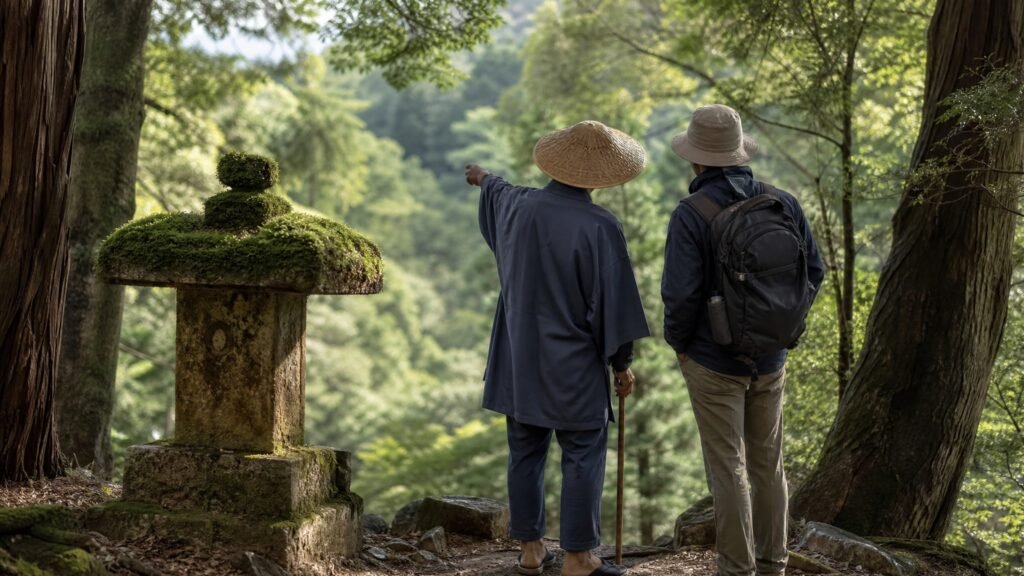
Food sits inside a much bigger cultural picture, so we weave in non-culinary interests wherever you’d like. A morning temple visit might lead naturally into a shojin ryori lunch, or an interest in traditional textiles could connect you to a wagashi sweet maker whose designs echo kimono patterns. This is what makes a Kyoto food tour with local guide feel like it reflects your whole personality, not just your appetite.
What a Typical Private Food Tour Itinerary Looks Like
A well-paced private tour typically runs four to six tasting stops across three hours, with walking breaks built in so your palate doesn’t tire out. Travel time between neighborhoods isn’t dead time. We use it for cultural commentary.
The structure stays flexible by design and shifts daily with your energy and whatever ingredients are in season. Some days call for longer conversations at fewer stops. Others invite rapid sampling across several vendors when festival foods or limited-time offerings show up.
This is not a rigid checklist optimized for social media posts.
Best Seasons for Kyoto Traditional Food Tour Highlights
Seasonality drives everything in Kyoto cuisine. Understanding these cycles helps you pick dates that line up with your specific food interests. Cherry blossom and fall foliage seasons draw the biggest crowds, but winter and summer bring their own ingredients and much shorter lines at the popular shops.
Spring Sakura Mochi and Fresh Greens
Spring brings mountain vegetables like sansho pepper and fuki butterbur, both in the markets for only a few weeks each year. Sakura mochi wrapped in salted cherry leaves shows up everywhere during hanami season, but artisanal versions use wild-harvested leaves and hand-pounded rice, a world apart from the convenience-store kind. Plan your visit for early April and you’ll catch both the blossoms and the brief window when fresh bamboo shoots hit peak sweetness.
Autumn Harvest and Warm Comfort Foods
Cooler weather brings back hearty dishes: simmered daikon, chestnut rice, rich miso soups built around mushrooms foraged from the nearby mountains. Our autumn seasonal highlights show how chefs work fallen ginkgo nuts and persimmons into both savory and sweet dishes. Winter has its own rewards too, with hot yudofu and oden stews warming small shops, and far fewer tourists competing for counter seats.
Booking Your Kyoto Tasting Tour With Japan Local and Fun Experiences
Getting started is simple: fill out an inquiry form with your travel dates, group size, and any dietary considerations or special interests. We respond personally within one business day to answer questions and talk through possibilities before asking for any commitment, because we want you to feel good about your choice. Our team of local guides has run these experiences for over a decade, and that history means your tour draws on relationships built across thousands of past visits.
If you’re still deciding where to stay, choosing the right neighborhood base can simplify your logistics and leave you more time exploring instead of commuting. Once we know your preferences and where you’re staying, we build an itinerary that fits your schedule naturally and lock in vendor arrangements in advance. Submit your inquiry today, and let’s shape a small-group or private Kyoto food tour that’s entirely yours.