There’s a particular week each autumn when Kyoto stops feeling like a city and starts feeling like a painting. The maples turn from green to gold to deep crimson almost overnight, temple gardens fill with soft light, and the whole city seems to slow down to look up. We’ve spent years guiding travelers through exactly this moment. A little local knowledge is the difference between fighting crowds at the same three temples everyone else visits and having a quiet, unforgettable autumn in Kyoto. This guide is built on that experience, for travelers planning fall foliage tours in Kyoto for 2026.
When Is the Best Time to See Autumn Leaves in Kyoto?
The best time to see autumn leaves in Kyoto typically falls in mid-to-late November, though the exact window shifts a bit every year depending on temperature patterns through October and early November. If you’re planning around a fixed set of dates, aim for the last two weeks of November as your safest bet for central Kyoto.
That said, “safest bet” isn’t the same as “guaranteed.” Koyo, the Japanese word for the changing autumn colors, is a living, shifting event, not a date on a calendar.
How Our Guides Read the Koyo Forecast for Kyoto 2026
Our Kyoto-based guides track koyo progress temple-by-temple every autumn, adjusting each private tour’s route day-to-day so guests hit the highest color rather than a fixed itinerary set months in advance. Rather than relying on a single forecast published in summer, we watch real-time updates as the season approaches. The koyo forecast for Kyoto in 2026 will almost certainly shift as autumn temperatures become clearer closer to the season. If you’re booking a trip well in advance, keep your dates flexible where possible, or build in a short buffer window. That way you’re not locked into a week that turns out to be a touch early or late for peak color.
Elevation and Neighborhood Timing Differences
Kyoto’s peak autumn colors typically move from higher-elevation temples in late November down to lower city gardens by early December, so the “best week” genuinely differs by neighborhood and elevation. Temples tucked into the hills around northern Kyoto and Higashiyama tend to turn first. Gardens in the flatter, more central parts of the city catch up a week or two later. This is good news for visitors. It means there’s rarely a single day when everything peaks at once, and a well-planned itinerary can chase color across the city for two to three weeks rather than racing to catch one narrow window.
Less Crowded Temple Gardens for Fall Colors
Kiyomizu-dera and Arashiyama’s bamboo grove are stunning in autumn, and it’s easy to see why they show up on every list. It’s also why they get overwhelmed with visitors during peak koyo weeks, with tour buses arriving from mid-morning onward and viewing paths turning into slow-moving queues.
The good news: Kyoto has dozens of temple gardens with equally vivid maples and a fraction of the foot traffic.
Lesser-Known Temples Our Guides Love
Lesser-known spots like Jojakko-ji, Shisen-do, and Rurikoin’s autumn viewing at Enko-ji offer the same vivid maple canopies as Tofuku-ji or Kiyomizu-dera, with a fraction of the tour-bus crowds. Jojakko-ji, in the quieter reaches of Arashiyama, has thatched-roof buildings framed by maples on a hillside, with far fewer visitors than the famous bamboo grove nearby. Shisen-do, a former hermitage in northern Kyoto, has a small, contemplative garden where you can actually sit and take in the color rather than being swept along by a crowd. Enko-ji’s temple grounds, known for their reflected “rurikoin” style autumn viewing, deliver that classic postcard shot of maples framed against dark wood interiors, minus the wait.
Timing Strategies to Beat the Crowds
Even famous, crowded spots become manageable with the right timing. Arrive at popular spots like Tofuku-ji or the Arashiyama bamboo grove right at opening, before 8am, and you’ll typically have the main viewing paths largely to yourself before large group tours arrive. Weekday mornings are consistently quieter than weekends. The hour right before closing on weekdays can also offer a second window of calm, as day-trip groups head back to their buses. If your schedule allows it, plan your must-see, high-traffic temples for early morning or late afternoon on a weekday, and save mid-day for the quieter gardens where crowds matter less.
Autumn Foliage Hiking in Kyoto
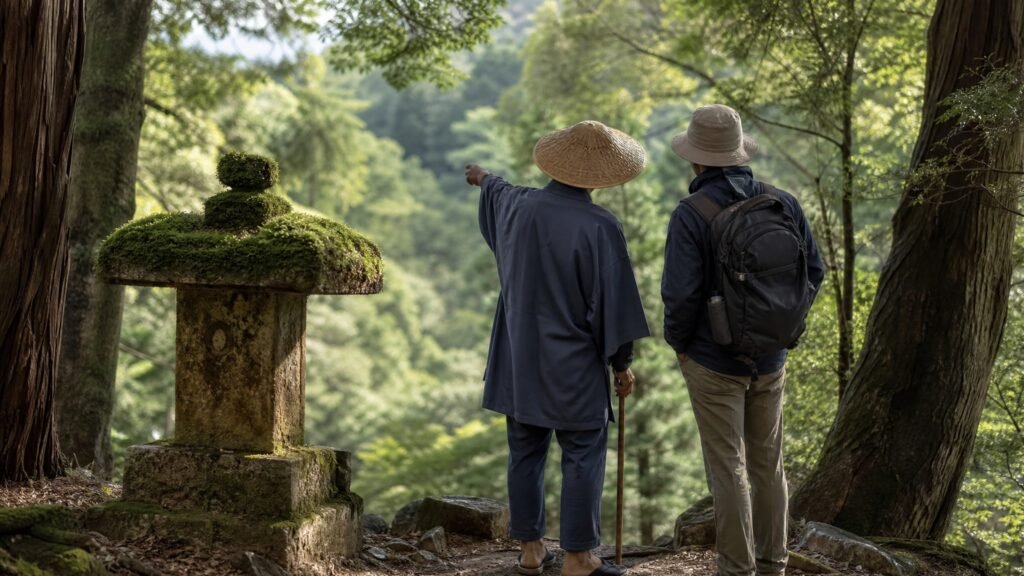
If you’d rather experience the colors on foot than temple-hop, autumn foliage hiking around Kyoto is one of the best-kept secrets of the season. The hills that ring the city, especially to the north and around Higashiyama, turn into a patchwork of red, orange, and gold maples threaded through cedar forest. A couple of hours on a trail gives you views that no temple courtyard can match.
Trails With the Best Maple Views
The northern hills near Kurama and Kifune offer a genuinely rewarding half-day hike, with a forested ridge trail connecting the two villages and maples lining much of the route, often ending with an onsen soak in Kurama. Closer to the city center, the Higashiyama hills behind the Path of Philosophy offer shorter, gentler routes that combine temple visits with light trekking through wooded slopes turning color. These hikes work well as an active alternative to a full day of temple-hopping, and they pair naturally with a picnic lunch featuring seasonal chestnuts or sweet potatoes, both classic autumn flavors in Kyoto. If hiking is part of what draws you to Japan generally, our guide to hiking day trips outside the city covers similar active options for those also spending time around Tokyo.
Why Book a Private Kyoto Fall Foliage Tour Instead of a Bus Tour
Bus tours during koyo season follow a fixed schedule set weeks or months ahead, stopping at the same handful of famous temples regardless of how the colors are actually progressing that week. A private guide works differently. The whole point is flexibility.
What a Guided Experience Adds Beyond Sightseeing
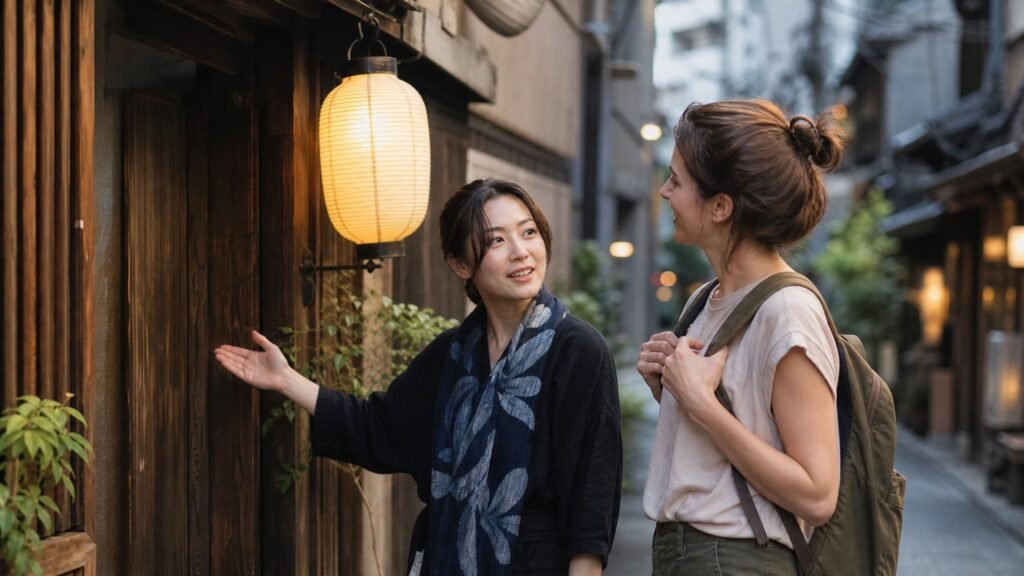
A private guide can shift your route the morning of your tour based on which gardens are at peak color that particular day, skip a temple that’s unusually crowded, and add a quieter alternative instead. Beyond logistics, a knowledgeable guide adds cultural context you’d otherwise miss entirely: the history behind a temple’s garden design, or why certain maple varieties were planted centuries ago for their color timing. That kind of context turns a pretty photo stop into a genuinely memorable afternoon. If this sounds like the kind of trip you’re after, you can book a private guided day tour in Kyoto and build your route around the season’s best color rather than a fixed script.
Pairing Your Tour With Seasonal Kaiseki Dining
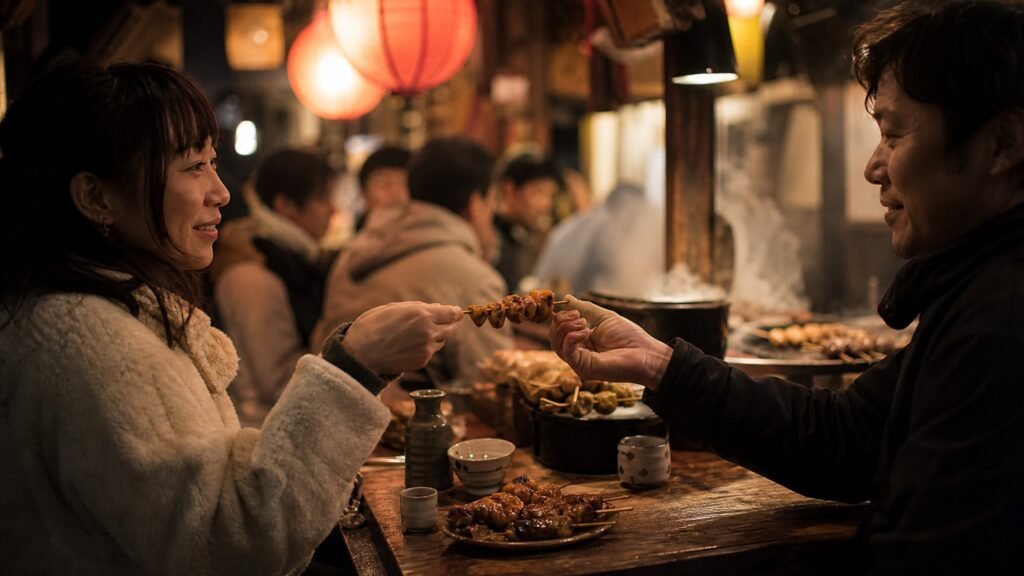
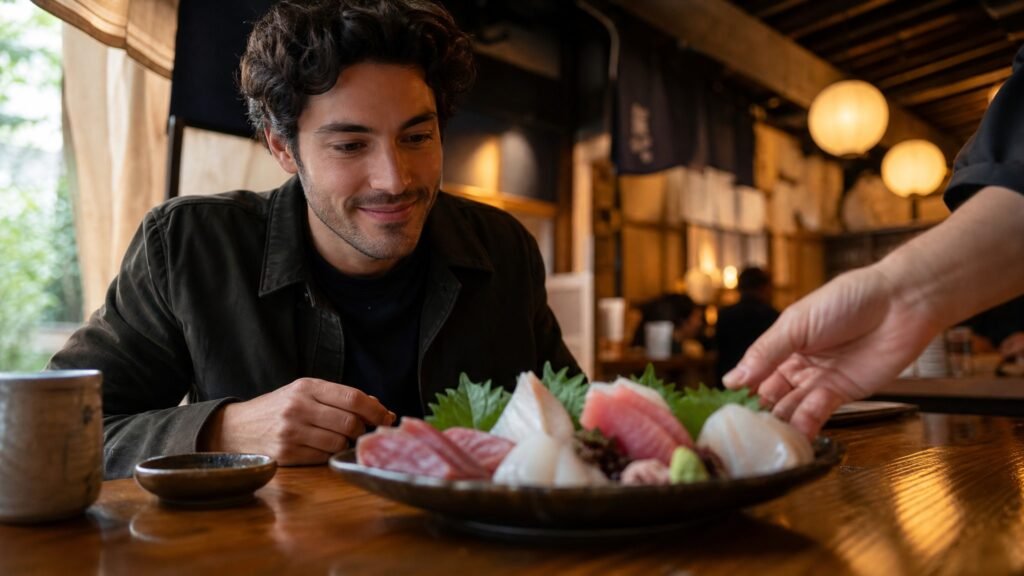
On our private autumn tours, guests often finish the day with a seasonal kaiseki dinner featuring matsutake mushroom, chestnut, and persimmon dishes that only appear on menus during the koyo weeks. Reserving a good kaiseki restaurant during peak autumn season is notoriously difficult for independent travelers, since the best seasonal spots often book out weeks ahead and don’t always take reservations in English. A guide who knows the city can arrange this for you as part of your day, saving you the stress of chasing a booking yourself. If seasonal dining is a big part of why you’re visiting, our piece on eating like a local on a Kyoto food tour and our broader complete guide to washoku and seasonal Japanese cuisine are both worth a look before your trip.
Where to Stay: Ryokan With Fall Garden Views
Choosing a ryokan with fall garden views can shape your whole trip, especially if you want to experience koyo without even leaving your room. Look for a ryokan where at least some rooms open directly onto a private or semi-private garden, ideally with maples planted specifically for autumn color, since not every property positions its rooms this way. A kaiseki dinner served in your room or a private dining area, built around seasonal autumn ingredients, is another mark of a property that takes the season seriously rather than treating it as just another month. Smaller, traditional ryokan in areas like northern Kyoto or the hills around Higashiyama tend to have more garden-facing rooms than large hotels closer to the station. If you haven’t stayed at a ryokan before, our first-timer’s guide to ryokan stays and onsen etiquette walks through what to expect, from the dinner service to the bathing customs.
Planning Your 2026 Kyoto Autumn Trip
Autumn is Kyoto’s busiest season for travel, and the best guides, ryokan, and kaiseki restaurants book up well ahead of the actual peak weeks. A little planning now goes a long way toward having the trip you actually want in November 2026.
Booking Timeline and What to Reserve First
Start with your ryokan and private guide bookings several months ahead, since these fill up first, well before the specific koyo forecast for the year is even released. Lock in flexible travel dates rather than a single fixed week if you can, and plan to fine-tune your day-by-day itinerary as the season approaches and real-time color updates start coming in. Kaiseki dinner reservations, especially at smaller or highly seasonal restaurants, are worth arranging as early as possible too, ideally through a guide who has existing relationships with these restaurants. For a broader sense of how autumn fits into Japan’s yearly rhythm of festivals and seasons, our complete autumn foliage and seasonal festival calendar is a useful companion resource. If crowd timing across the year interests you generally, our insider strategies for beating crowds during peak travel weeks covers similar thinking for other busy seasons in Japan.
Kyoto in autumn rewards travelers who plan ahead but stay flexible, who trust local knowledge over a fixed script, and who are willing to walk past the crowds and just a little further to find the quiet garden nobody else found first. If that’s the kind of trip you want in 2026, we’d love to help you build it. Check availability and reserve your private autumn tour before the best koyo dates and dinner reservations disappear.