Shibuya is one of those neighbourhoods that genuinely earns a full day, and then some. A shibuya crossing and nightlife full day itinerary threads together one of the world’s most iconic intersections, Tokyo’s sharpest pop culture shopping, smoke-filled yakitori alleys, and lantern-lit bars so small they barely hold a dozen people. Rush in for a crossing photo and rush out, and you’ve seen maybe five percent of what Shibuya actually is.
We’ve spent years watching visitors shortchange themselves here. This guide fixes that, a single, practical arc from 8 AM to midnight that covers the real Shibuya, not the press-release version.
Why Shibuya Deserves a Full Day (Not Just a Quick Photo Stop)
Most itineraries treat Shibuya as a checkbox. Take the crossing photo, maybe duck into a Starbucks, move on. That approach misses the point entirely.
Shibuya is two completely different cities sharing one postcode. During the day it’s a shopping and culture district with genuine local life, kissaten cafés, independent bookshops, design-conscious boutiques. After dark, the neon cranks up, the izakayas fill with salarypeople loosening their ties, and the back alleys reveal bars so intimate they feel like someone’s living room.
The magic is in the transition between those two worlds. A morning-to-midnight arc lets you feel the rhythm of the neighbourhood the way locals do, not as a series of attractions, but as a place with a pulse.
Morning in Shibuya: Start Before the Crowds Hit (8 AM–12 PM)
Shibuya Crossing Visit at Its Calmest
Shibuya Scramble Crossing is regularly cited as one of the world’s busiest pedestrian intersections, with hundreds of thousands of people crossing it on peak days. At 8 AM on a weekday morning, it is a completely different, almost meditative, experience. The crossing is wide and unhurried. The light is soft. You can actually stop in the middle and look around without being swept along by a crowd.
This is when a shibuya crossing visit makes the most sense as the start of your day. Take your time. Cross it two or three times. Grab a spot on the second-floor window of the Starbucks across the street if you want the overhead view, it opens at 7 AM and fills up fast, but early arrivals almost always get a seat.
After the crossing, the Shibuya Stream area just south along the Shibuya River walk is worth a slow stroll. It’s calm, modern, and genuinely lovely in the morning light.
Breakfast Like a Local: Kissaten Coffee Shops & Morning Sets
Tokyo’s kissaten, old-school coffee shops that have been doing the same thing since the Showa era, are one of the city’s great unsung pleasures. Many serve a morning set (モーニングセット) for around ¥500–¥600: a thick slice of toast, a boiled egg, and a bottomless drip coffee. It’s unhurried, inexpensive, and entirely local.
Look for kissaten on the side streets north and northwest of the station rather than on the main shopping avenues. The chains are fine, but the kissaten are better, and they’re never crowded at this hour.
If you have time, a 15-minute walk northwest takes you to Daikanyama. It’s quieter, design-forward, and home to Tsutaya Books, a multi-level bookshop and café complex well worth exploring before the afternoon crowds arrive.
Afternoon Things to Do in Shibuya: Beyond the Famous Intersection (12 PM–6 PM)
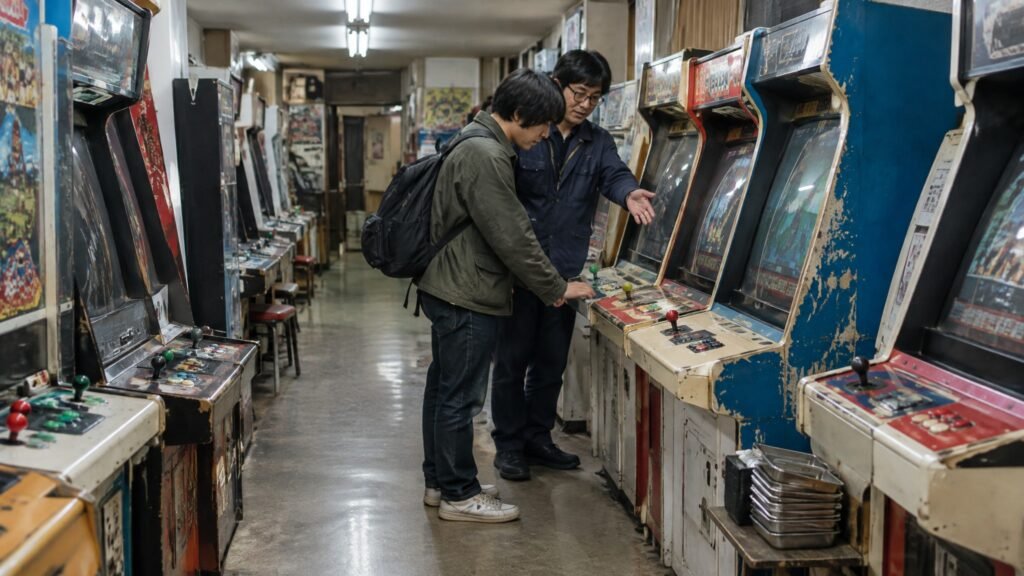
Anime & Pop Culture in Shibuya: Mandarake, Parco, and Nintendo
For pop culture fans, Shibuya Parco is unmissable. Nintendo Tokyo sits on the sixth floor and is one of Japan’s flagship official Nintendo stores, it stocks exclusive Tokyo-edition merchandise you won’t find outside the country, and it’s a non-negotiable stop on any shibuya day trip for gaming fans. The Pokémon Center on the same floor draws its own dedicated crowd. Arrive before 1 PM on weekends to avoid long waits at the lift.
Parco’s basement and upper floors also house Mandarake, one of Japan’s best secondhand anime and manga retailers. You can spend an entire afternoon there if you’re not careful.
For readers who want to go deeper into otaku culture, our dedicated Akihabara pop culture tour guide covers Tokyo’s specialist district in detail, a natural extension of your Shibuya afternoon. And if anime pilgrimage spots beyond Tokyo are on your list, we’ve mapped out the anime pilgrimage sites across Japan worth planning around.
Shopping, Street Food, and the Shibuya Day Trip Checklist
Shibuya 109 is the neighbourhood’s iconic fashion tower, fast, trend-led, and packed. It skews young and is genuinely representative of Japanese street fashion rather than luxury retail. The Scramble Square skyscraper nearby has a rooftop observation deck called Shibuya Sky on its 46th floor, with sweeping views across Tokyo in all directions. The late afternoon light from up there, looking west toward Shinjuku, is spectacular.
For street food, a 10-minute walk north takes you to Takeshita-dori in Harajuku, the crêpe stalls here are an institution and a genuine local snack rather than a tourist gimmick. Budget-conscious travelers should also know that convenience stores (konbini) in Japan, 7-Eleven, FamilyMart, Lawson, serve genuinely good onigiri, hot snacks, and sandwiches for ¥150–¥400. Eating a konbini lunch while walking is a completely normal Tokyo thing to do.
Dinner in Shibuya: Shibuya Bars, Restaurants & Where Locals Actually Eat
Izakayas vs. Standing Bars: The Local Verdict
Here’s the honest take on shibuya bars restaurants: the places with English menus displayed in the window and photos of every dish are convenient, but they charge a premium for that convenience and the food is rarely memorable. Locals eat in the alleys.
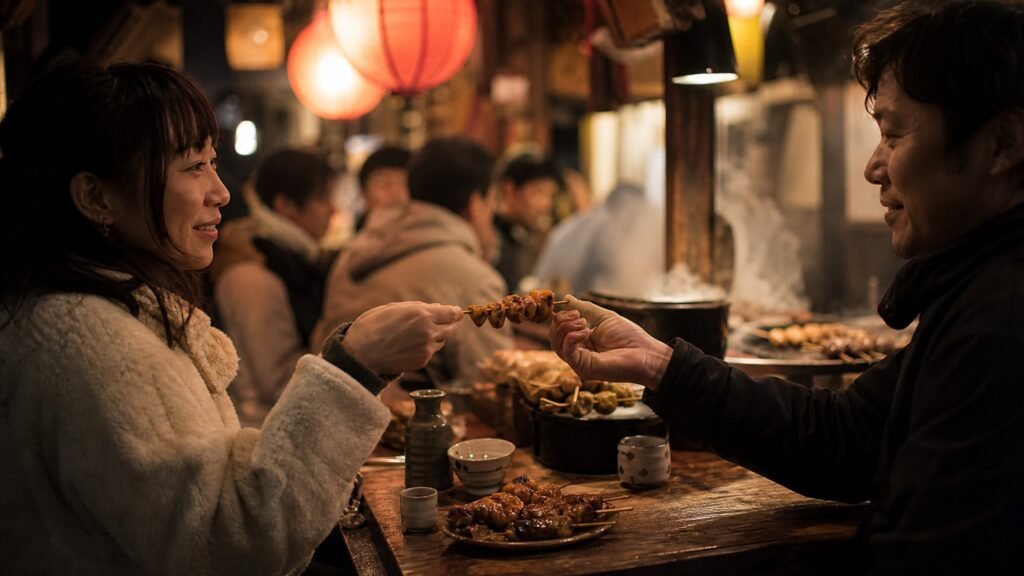
The side streets behind Shibuya Hikarie, and especially the narrow lanes of Nonbei Yokocho, are where you find standing bars with handwritten menus, yakitori smoke drifting into the street, and prices that reflect a local rather than a tourist audience. A round of draft beer and a plate of skewers can cost under ¥1,500 per person in these spots, about half of what the same thing costs on Scramble Square’s restaurant floors.
We always tell guests: the best Shibuya meal you’ll have won’t be in a restaurant with an English menu outside. It’ll be at a standing yakitori counter in an alley where the chef has been grilling the same skewers for twenty years.
Ramen, Yakitori & Washoku: Building Your Ideal Shibuya Dinner
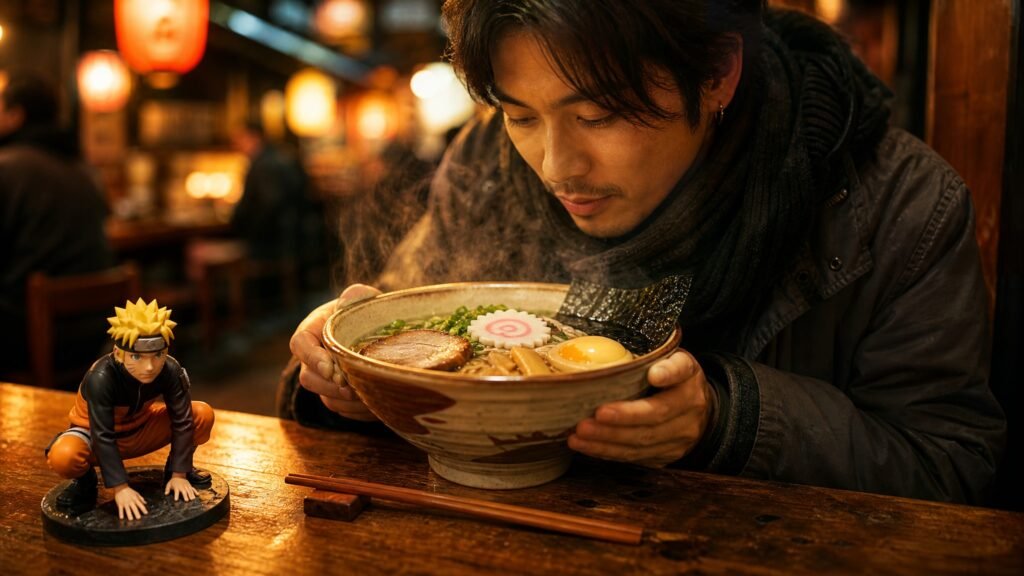
If ramen is on your evening agenda, and it should be, brush up on ramen etiquette before you sit down so ticket machines and bowl customs don’t slow you down when you’re hungry. Shibuya has strong ramen options in the alleys around Dogenzaka.
For a broader picture of traditional Japanese cuisine, what washoku dining actually looks like gives you a grounding before you choose where to sit down for the evening. The izakaya format, small dishes, shared plates, drinks flowing, is the most social and flexible way to eat in Shibuya, and it maps naturally onto a night that runs late.
Shibuya Nightlife Guide: Hidden Bars & What to Do After Dark (9 PM–Midnight)
Nonbei Yokocho and the Hidden Bar Scene
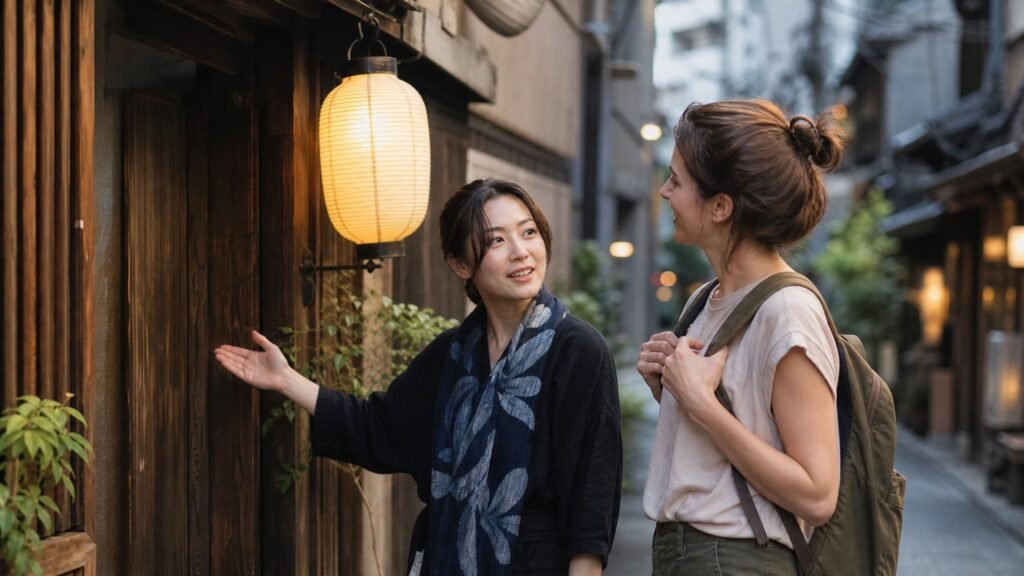
This is the editorial heart of any honest shibuya nightlife guide: Nonbei Yokocho, literally “Drunkard’s Alley,” is a narrow lantern-lit lane tucked behind Shibuya Station where individual bars seat as few as eight people. It looks like a film set, weathered wood facades, red paper lanterns, the smell of grilling meat and cedar, but it is entirely real and entirely local.
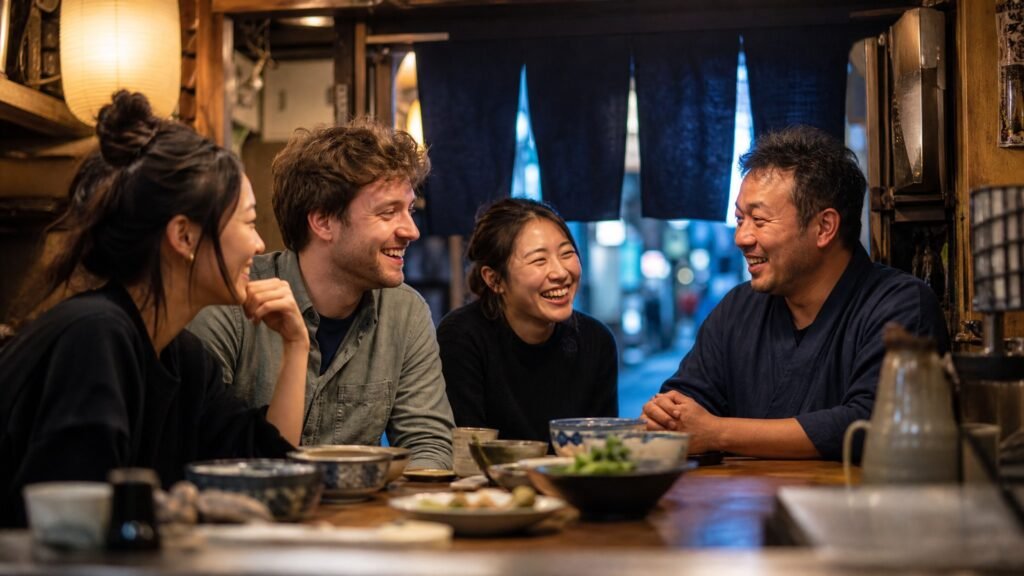
After more than 12 years guiding visitors through Tokyo’s neighbourhoods, our local guides at Washoku Club City consistently name Nonbei Yokocho as the single spot that surprises guests most. By round two, the bartender knows your name. By round three, you’re having a conversation with the salaryman on the next stool who turns out to speak perfect English and has very strong opinions about whisky.
The bars here are almost universally cash-only, so withdraw yen beforehand. Budget ¥1,000–¥2,000 per person per bar for drinks and small snacks. There’s no pressure to stay or leave, you drift from one to the next as the mood takes you.
For visitors who prefer a louder, more energetic scene, Center-gai (the pedestrian street running north from the crossing) is lined with karaoke venues, club bars, and izakayas with big screens and higher volume. It’s fun in its own way and very safe, but it’s a different Shibuya, more rowdy, more tourist-facing.
Safe Solo Navigation: Getting Around Shibuya at Night
Shibuya is extremely safe by global standards, the things to do shibuya tokyo list at midnight looks much the same as it does at noon in terms of personal safety. Solo travelers, including women traveling alone, consistently report feeling comfortable in Shibuya at night.
The practical things to know:
- Last trains on most lines out of Shibuya run before 1 AM. Check the exact time for your line at the station’s departure board or via Google Maps, it varies by destination.
- IC card (Suica or Pasmo) is the fastest way through the gates. Load it before the night starts so you’re not fumbling with cash machines after midnight.
- Taxi stands are directly outside the Hachiko exit of Shibuya Station. Taxis in Tokyo are metered, honest, and plentiful after midnight when trains have stopped. They’re not cheap, but they’re reliable.
- If you miss the last train, some bars and karaoke spots are open until the first trains resume around 5 AM, a legitimate strategy that Tokyoites use regularly.
Make It Effortless: Join a Full Day Tour in Tokyo with Local Guides
A day in Shibuya on your own is entirely doable, this guide gives you a solid map. But there’s a real difference between finding Nonbei Yokocho on a map and walking into it with a local who knows which bar has a free stool on a Saturday night, which yakitori chef has the best seasonal menu right now, and which queue is genuinely worth the wait versus the one that’s just Instagram hype.
That’s what a local guide actually provides. At Washoku Club City, we’ve been running small-group and private tours through Tokyo’s neighbourhoods for over 12 years. Our guides are locals, they live here, eat here, and know when the Nintendo Tokyo stock rotation happens. Groups stay small so you’re never stuck waiting for twenty people to finish a photo.
Whether you want to spend the afternoon in Shibuya’s pop culture spots and end the evening in Nonbei Yokocho, or you want a custom route built around your interests, we can put together a day that moves at your pace and skips everything that isn’t worth your time.
Browse our best food tours in Tokyo with local guides to see what a full guided Shibuya day looks like, and to find the option that fits your travel style. We’d love to show you the version of this neighbourhood that most visitors never find.