Kyoto is one of those cities that stops you in your tracks, ancient temples, moss-covered stone lanterns, the scent of incense drifting through wooden alleyways. It’s also genuinely complex to navigate, and without the right context, even the most stunning sites can blur into an exhausting checklist. A private guided day tour Kyoto experience changes that. Instead of following a flag through a crowd, you move at your own pace, ask every question you want, and discover the layers that no map or audio guide can reveal. This is our guide to help you find the right tour, the right guide, and the right itinerary for exactly who you are as a traveler.
Why a Private Guided Day Tour in Kyoto Beats Going It Alone
Kyoto is home to 17 UNESCO World Heritage Sites across its temples, shrines, and historic districts, one of the densest concentrations of cultural heritage anywhere in the world. That’s a lot to absorb, and a strong case for having an expert alongside you to prioritize, contextualize, and bring it all to life.
The crowd problem: navigating Kyoto’s most visited sites
Fushimi Inari Taisha draws enormous crowds at its iconic thousand-torii gate entrance. But guides who know the mountain can lead small groups past the main path to quieter sub-shrines where the atmosphere is completely different, especially in early morning or late afternoon light. Arashiyama’s bamboo grove can feel like a theme park by 10 a.m. yet arriving before 8 a.m. transforms the same path into something genuinely moving. A good local guide knows exactly when to arrive, which route to take, and how to sidestep the busiest windows entirely.
What a great local guide brings beyond the guidebook
Think about Nishiki Market, Kyoto’s narrow, five-block covered market. Without a guide, most visitors walk its length in 20 minutes and miss the fermented tofu sellers, the seasonal tsukemono stalls, and the tiny shrine tucked above a seafood shop at the market’s eastern end. A great guide doesn’t just name things; they explain why a particular pickled vegetable only appears in autumn, or what the hand-painted sign above a rice cracker stall actually means. That’s the difference between sightseeing and genuinely understanding a place.
Private vs. Group Kyoto Day Tours: An Honest Comparison
Both have real merit. The right choice depends on your budget, travel style, and who you’re traveling with.
Pace, flexibility, and group size
Group tours work well for solo budget travelers who enjoy meeting others and are happy to follow a set schedule. They cover the main landmarks efficiently, and the social element is part of the appeal for many people.
A kyoto private tour, by contrast, is built around you. If you want to linger at Ryoanji’s rock garden for 30 minutes, you linger. If a side street catches your eye in Gion, your guide can take you down it. For families with children, couples celebrating a milestone, or anyone with specific dietary needs or mobility considerations, that flexibility isn’t a luxury, it’s essential. Private tours also adapt naturally when plans change: a sudden rainstorm becomes a reason to duck into a neighborhood sake bar rather than a reason to ruin the day.
Price difference, and when private is worth it
Private tours carry a higher per-person price than group alternatives, and that’s worth being honest about. The gap narrows considerably for groups of three or more, though. Split across three or four people, the premium over a group tour often becomes quite modest. For a family of four or a group of friends, the math frequently tips in favor of going private. When you factor in the customized itinerary, the unhurried pace, and the access to a guide’s personal network of local spots, most travelers who try a private tour say they’d never go back to group travel in Kyoto.
Sample Kyoto Day Tour Itineraries by Traveler Type
This is where a kyoto day tour itinerary stops being abstract and starts being useful. Here are three narrative day plans, not rigid hour-by-hour schedules, but real arcs built around how different travelers actually want to spend their time.
The Foodie Itinerary: Markets, Matcha, and Hidden Eateries
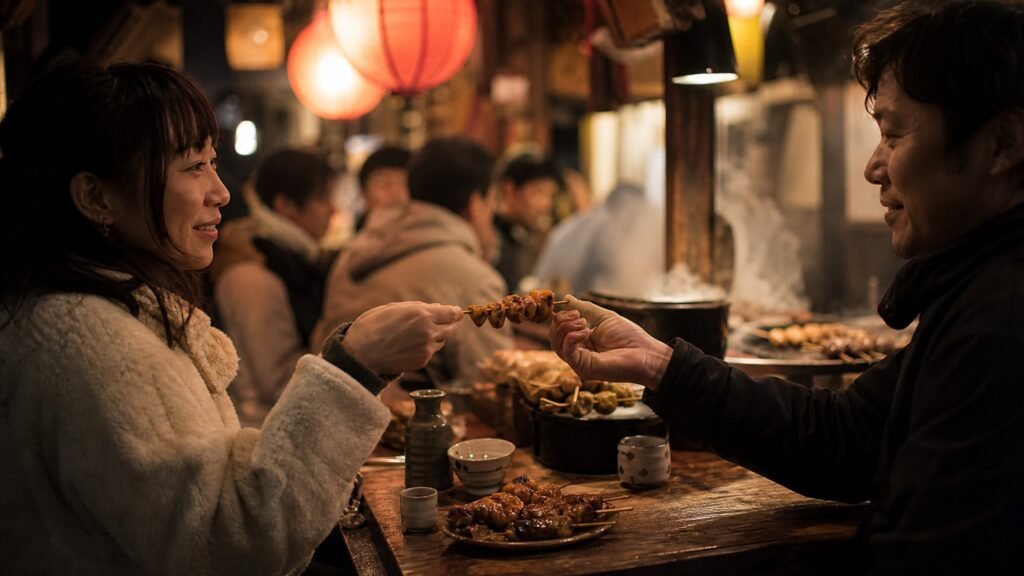
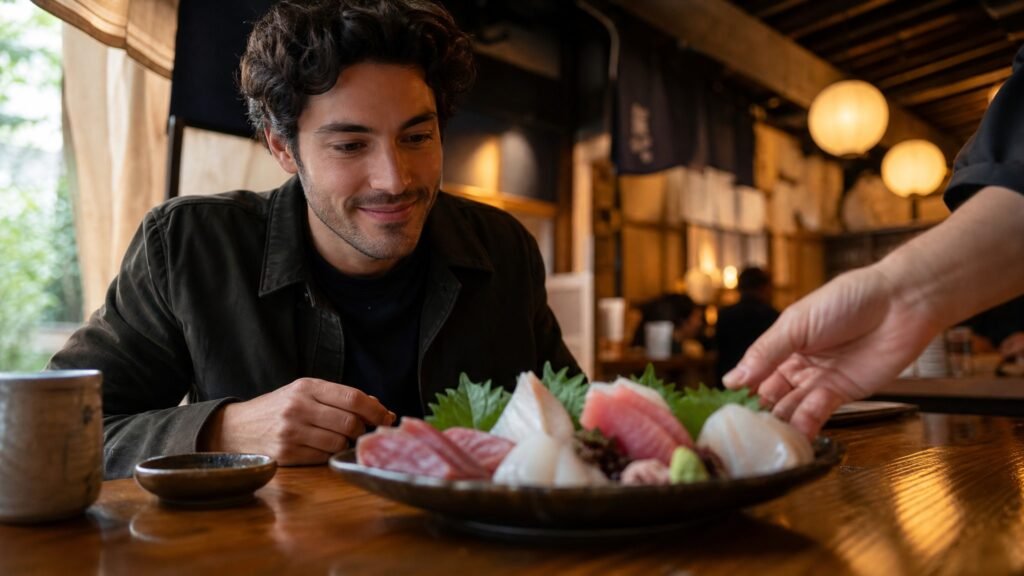
A food-focused personalized kyoto tour starts early at Nishiki Market before the lunchtime rush, letting your guide introduce you to vendors who’ve been selling kyoto-style pickles and grilled skewers for decades. From there, the morning moves to a back-street matcha experience in Uji or a hidden kissaten near Teramachi where the wagashi (Japanese sweets) are made fresh each morning. Afternoons lean into Gion’s backstreets for obanzai, Kyoto’s small-dish home cooking tradition, in restaurants that don’t appear on any English-language review site. If you want to dig deeper into plant-based Kyoto cuisine, our roundup of the best vegetarian restaurants in Kyoto is a great companion read.
The Photographer’s Itinerary: Golden Light, Bamboo, and Off-the-Beaten-Path Shrines
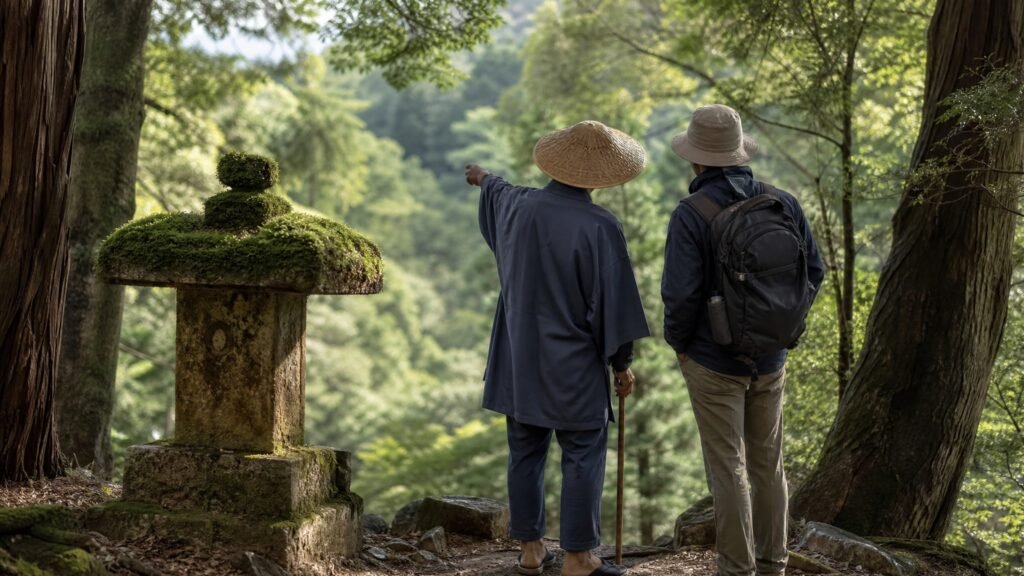
Photographers need timing above everything else. This itinerary opens at Arashiyama before 8 a.m. catching the bamboo grove in soft morning light before tour buses arrive. Your guide then leads you to smaller, lesser-known sub-shrines in the hills above the main grove, quiet stone paths, moss, and the kind of stillness that makes for powerful images. Afternoon shoots shift to Fushimi Inari, where the guide knows which side paths offer torii-framed compositions without the crowds, followed by the Philosopher’s Path in late afternoon when the light turns golden and the canal reflections are at their best.
The Culture-Focused Itinerary: Temples, Geisha Districts, and Living Traditions
For travelers who want to understand Kyoto rather than just photograph it, this arc weaves between Gion’s ochaya (teahouse) district in the early morning, when maiko sometimes travel between appointments, and a deep-dive temple visit at Kinkakuji or Daitokuji with commentary that goes well beyond what the plaques say. The afternoon can include Kurama, the mountain village north of the city with its own distinct spiritual character, or a quiet walk along the Philosopher’s Path to Nanzenji with time to explore the aqueduct gardens. Your guide can also arrange access to less-visited sub-temples where a monk or craftsperson may speak briefly about their practice.
How to Choose the Right Kyoto Temple Tour Guide
A kyoto temple tour guide can make or break your experience, so it’s worth asking a few pointed questions before you book.
Language fluency and cultural depth, A guide who speaks fluent English is necessary, but what you’re really looking for is someone who can explain cultural nuance: why a particular hand gesture at a shrine means what it does, or how the Zen aesthetic of a rock garden connects to daily Japanese life. That depth only comes from years of genuine engagement, not certification alone.
Group-size limits, Any reputable kyoto tour with local guide keeps groups small, typically capped at six to eight guests at most. Be cautious of operators who advertise “private” tours but assign a single guide to 15 or 20 people, that’s a group tour with a misleading label.
Flexibility to customize, Ask directly: can the itinerary be adjusted around our interests or pace? A quality guide will say yes without hesitation and ask you questions in return. If the answer is “we follow the standard route,” walk away.
Red flags to watch for: scripted commentary that never answers follow-up questions, no mention of dietary accommodation, vague promises of “authentic experiences” without specifics, and reviews that read identically across multiple listings.
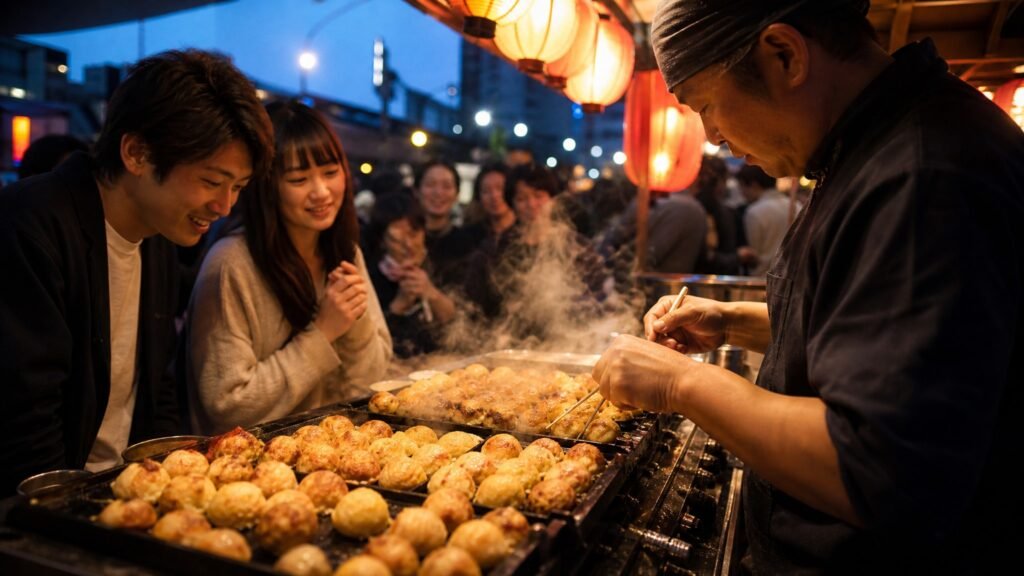
The same philosophy that shapes a great Kyoto tour applies across Japan, see how it works in our Osaka street food tour guide or our collection of guide-led food tours in Tokyo.
Kyoto with Japan Local and Fun Experiences: What Makes Our Tours Different
With over 12 years of running private day tours and cultural experiences across Japan, our team at Washoku Club City has guided thousands of international visitors through Kyoto’s neighborhoods, building itineraries from scratch based on each group’s interests, pace, and dietary needs.
We don’t hand you a fixed route and a numbered audio stop. Before your tour, we talk with you about what genuinely excites you: whether that’s Kyoto’s food culture, its textile and craft traditions, its garden philosophy, or its seasonal rhythm. If you’re visiting during autumn koyo (leaf-turning season) in 2026 or 2027, we’ll build your itinerary around the best timing and the lesser-known spots where the colours are just as spectacular without the queues.
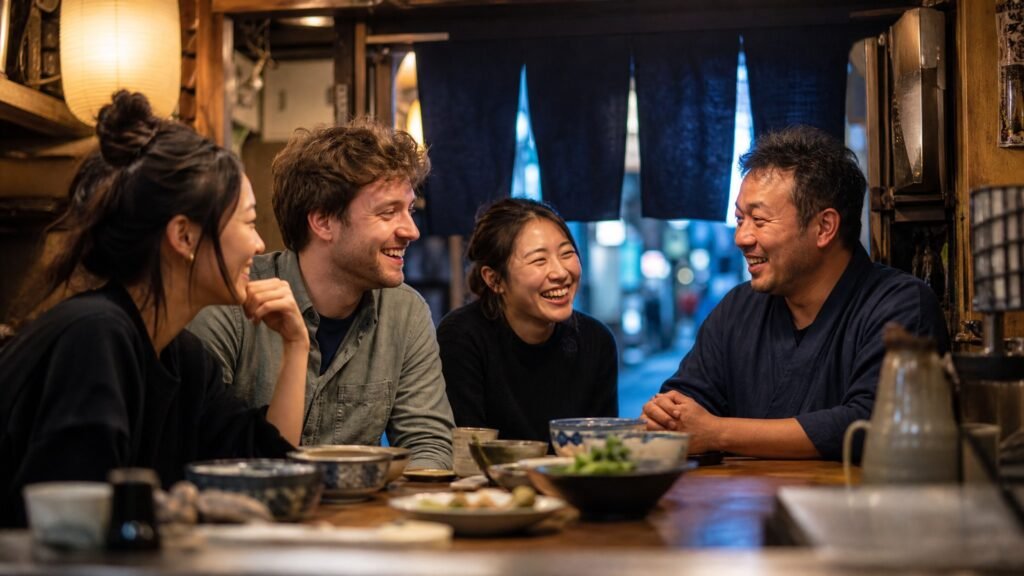
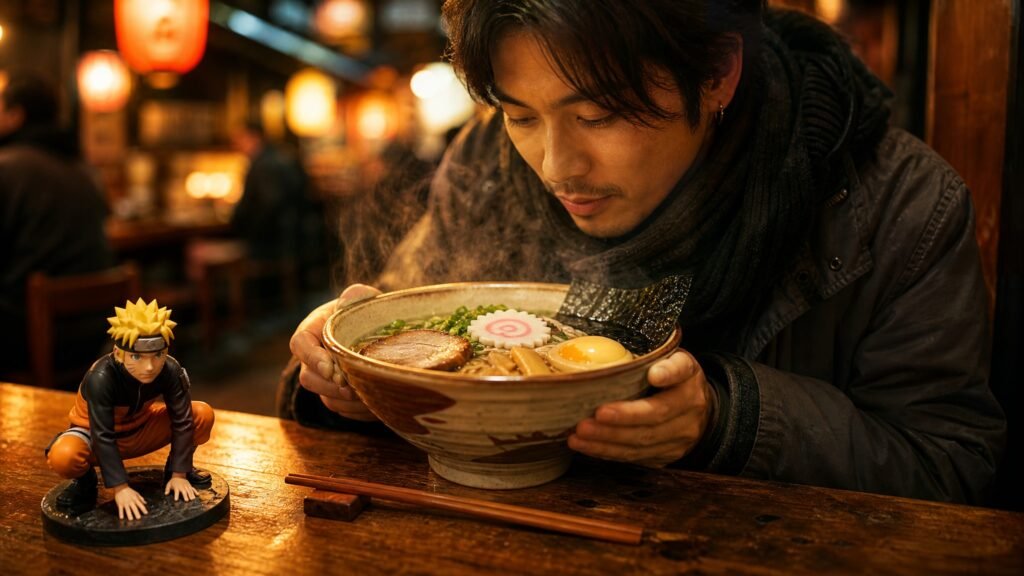
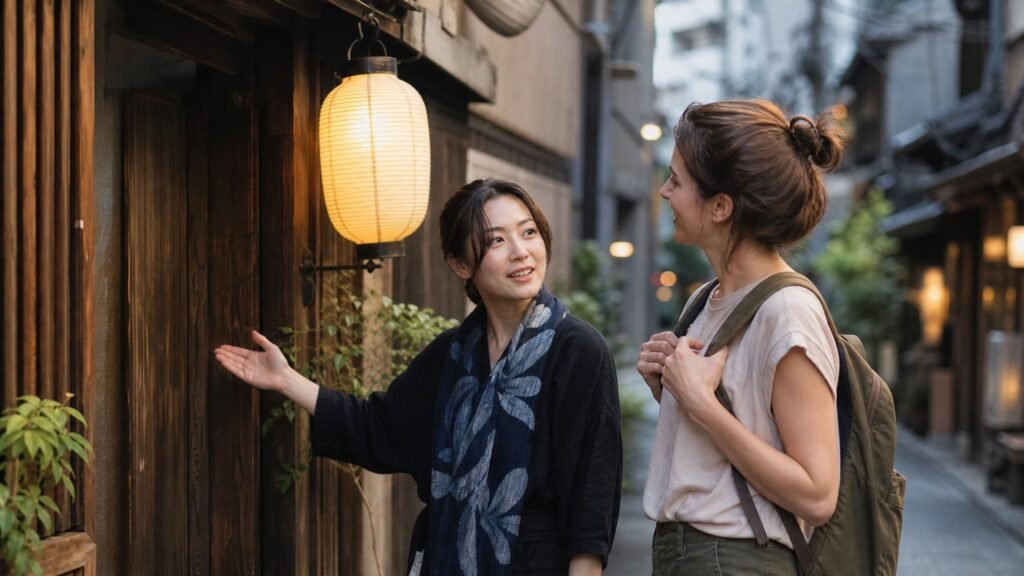
Our local guides are Kyoto residents, people who shop at Nishiki Market on weekends, know the head priest of a neighborhood shrine, and have favourite ramen spots they’ll share only if you ask. That personal connection is what turns a good tour into a story you’ll still be telling years later. We also accommodate solo travelers, couples, families with young children, and guests with mobility needs, because a truly personalized Kyoto tour adapts to people, not the other way around.
If you’re combining Kyoto with other Japanese cities, we’re happy to advise on how to connect the experience, from anime pilgrimage sites across Japan to multi-city cultural routes.
Practical Tips Before You Book a Private Day Tour in Kyoto
Best seasons: Spring cherry blossom season (late March–early April) and autumn leaf season (mid-November) are Kyoto’s most magical times, and its busiest. For the remainder of 2026 and into 2027, book at least 6–8 weeks ahead for these windows. If you’re planning around Japan’s cherry blossom season, earlier is always safer. Summer is hot and humid but less crowded; winter is cold and quiet, with atmospheric snow on temple rooftops in January and February.
What to wear: Cover shoulders and knees for temple visits, and wear comfortable shoes, Kyoto is a walking city. Many sites require removing shoes, so slip-ons help.
Money: Japan remains largely cash-dependent outside major tourist corridors, so carry yen. Cards are increasingly accepted at larger venues, but smaller food stalls and craft shops often require cash.
IC card: Load an IC card (Suica or ICOCA) for easy travel on Kyoto’s buses and nearby trains, your guide will help you top it up if needed.
Ready to start planning? Browse our fully customizable private guided day tour Kyoto options and reach out to discuss your perfect itinerary before you book, we love the planning conversation as much as the tour itself.