Summer in Tokyo means one thing above all else: matsuri season. From late July through August, neighborhoods across the city fill with drumbeats, grilled squid smoke, and paper lanterns swinging over crowded streets. If you’re planning a trip around summer matsuri in Tokyo 2026, this guide skips the generic “what is a festival” explainer. Instead, we’re giving you real dates, real crowd tactics, and the food and etiquette details that make the difference between watching from the sidelines and actually joining in.
Tokyo Summer Matsuri 2026: Key Dates and What to Expect
Tokyo’s matsuri calendar builds steadily from late July into late August. A few citywide fireworks nights anchor the season, and hundreds of smaller shrine festivals fill the gaps. Our local guides in Tokyo spend the summer weeks bouncing between neighborhood shrines. So we build our matsuri recommendations around which festivals our own guides actually attend with guests, not just which ones show up on tourist calendars.
How the 2026 Festival Calendar Shapes Up
Most major matsuri organizers confirm exact 2026 dates only a few weeks before the event. Scheduling depends on shrine calendars, weather, and local logistics. Expect the bulk of Tokyo’s big summer festivals to cluster in late July and run through August, with smaller shrine matsuri scattered throughout both months. Because dates shift year to year, double-check the specific festival’s official announcement close to your travel window rather than locking plans in months ahead. If you’re mapping out a longer trip, our complete seasonal festival planning calendar is a useful place to cross-reference timing across the whole year.
Sumida River Fireworks Matsuri: Tokyo’s Biggest Summer Night
The Sumida River Fireworks Festival is still one of the most iconic summer nights in Tokyo. It draws enormous riverside crowds from Asakusa to the Sumida River banks, so locals arrive hours early to claim space. Held over the river near Asakusa, it typically lands in late July, and it’s the one night when the entire eastern side of the city seems to funnel toward the water. If your trip aligns with it, treat it as the marquee event of your matsuri itinerary and build your evening around it.
Timing, Crowds, and Beating the Tokyo Summer Heat
Tokyo’s biggest matsuri draw serious crowds, and the July-August heat makes standing in them for hours genuinely tough. Getting the timing right matters as much as picking the right festival.
Best Time of Day to Arrive
July and August in Tokyo bring consistently high heat and humidity. That’s why most seasoned festival-goers plan matsuri visits around early evening rather than midday, to dodge the worst of it. Arrive in the late afternoon, before the crowds peak. You’ll have time to explore food stalls and find a comfortable viewing spot before things get packed. For fireworks-style events, aim to be in place at least two to three hours before the show starts. For neighborhood shrine matsuri, early evening arrival usually beats the after-dinner rush by a wide margin.
How to Handle Humidity and Big Crowds
Tokyo summer humidity is relentless, so plan around it rather than fighting it. Carry water, seek shaded rest points near shrine grounds, and pace your walking between stalls instead of rushing. Crowds at major matsuri can get dense enough that strollers and wheelchairs need extra planning, so scope out accessible viewing areas ahead of time if that applies to your group. Smaller neighborhood festivals almost always offer more breathing room than the citywide fireworks nights. If crowds worry you, weight your itinerary toward those quieter events.
What to Eat at a Japanese Summer Festival
Festival food is half the fun, and Tokyo’s yatai stalls turn a simple night out into a full culinary tour.
Must-Try Yatai Stalls
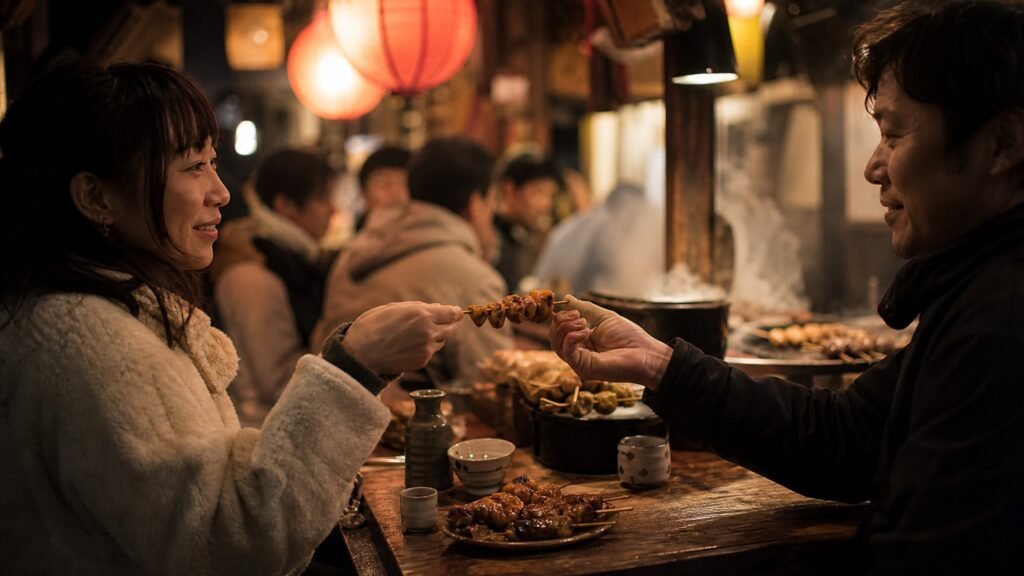
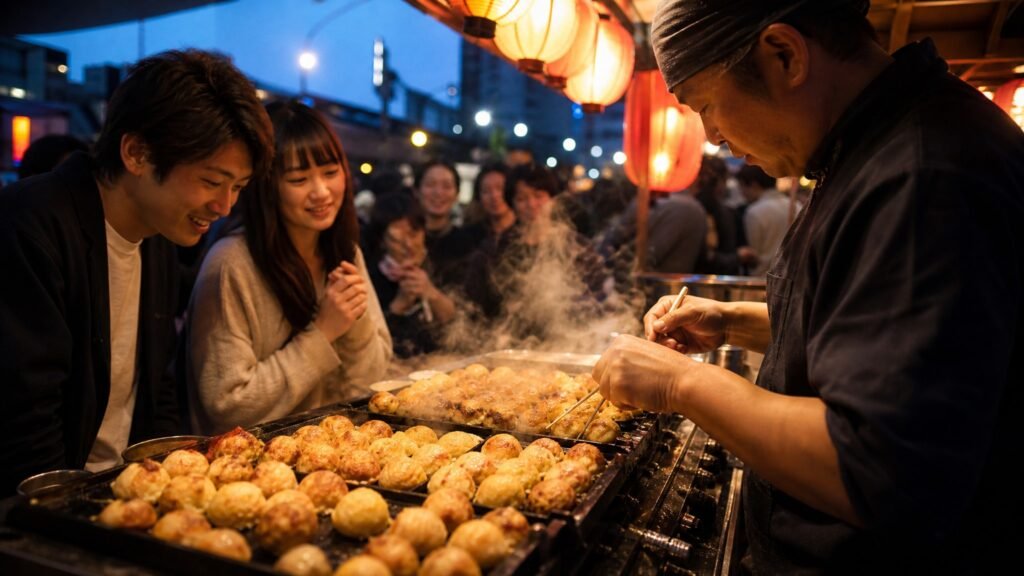
Classic matsuri stalls sell takoyaki (octopus balls), yakisoba (stir-fried noodles), karaage (fried chicken), and kakigori (shaved ice). Try them in that order if you want a savory-to-sweet progression through the evening. Grilled corn, candied fruit skewers, and taiyaki (fish-shaped cakes filled with sweet bean paste) round out most stall lineups. Prices run low and cash-friendly, so budget for grazing rather than one big meal. If festival food whets your appetite for more structured eating in the city, pairing your matsuri trip with a guided food tour in Tokyo is a natural next step.
Vegetarian and Plant-Based Options
Plant-based travelers need to scout ahead, since most yatai stalls default to meat or seafood. Corn on the cob, roasted sweet potato, and some vegetable-based okonomiyaki variations show up at bigger festivals, though availability varies by event and vendor. Kakigori is reliably plant-based and a good fallback on a hot night. For a deeper dive into where to eat comfortably as a vegetarian in the city beyond festival season, plant-based eating options in Tokyo covers more ground.
Yukata Etiquette: Dressing and Behaving Like a Local
Wearing a yukata to a matsuri is genuinely welcomed and not seen as overstepping, as long as you get the basics right.
Yukata Basics for First-Timers
We regularly help first-time visitors rent or borrow a yukata and walk them through the basic etiquette, so they can join in comfortably instead of feeling like outsiders at the festival. The key rule: wrap left side over right. Right-over-left is reserved for funerals. Pair it with geta sandals if you can manage them, and take smaller steps than you would in regular shoes, since the fabric restricts your stride.
Common Etiquette Mistakes to Avoid
Beyond the wrap direction, a few etiquette points matter at shrine matsuri specifically. Bow slightly before passing through a torii gate, and keep your voice down near the shrine’s main hall even if the surrounding festival is loud. Avoid touching or leaning on shrine structures, and don’t treat sacred spaces as photo backdrops without checking whether photography is allowed. These small courtesies go a long way toward being welcomed rather than tolerated.
Best Tokyo Neighborhoods for an Authentic Matsuri Experience
Where you go shapes the whole feel of your matsuri night. Big-name districts deliver spectacle. Smaller neighborhoods deliver intimacy.
Asakusa and Traditional Shrine Festivals
Asakusa sits at the heart of traditional Tokyo, and its shrine festivals lean into that history with processions, taiko drumming, and street stalls packed into narrow lanes near Senso-ji. It’s an easy pick for first-timers because the atmosphere is dense and unmistakably festival-like, even if it means sharing the streets with plenty of other visitors.
Toro Nagashi and Lantern-Floating Ceremonies
Smaller neighborhood matsuri tied to local shrines often feature toro nagashi lantern-floating ceremonies. These tend to feel far calmer and more intimate than the massive citywide fireworks events. Toro nagashi involves setting paper lanterns adrift on a river at dusk, traditionally as a way to guide spirits and mark the close of summer observances. These ceremonies happen at a handful of riverside spots around Tokyo through the season, and they’re worth seeking out if you want something quieter and more reflective than the fireworks crowds. For festival options that extend beyond Tokyo’s borders, our broader guide to neighborhood matsuri and Bon Odori covers the wider seasonal picture.
Planning Your Summer Matsuri Trip With Local Guides
Getting to a Tokyo matsuri usually means the train. Trains run later than usual on major festival nights, but stations near big events still get crowded fast, so leave buffer time on both ends of your trip. Bring cash, a hand towel or small fan for the heat, and comfortable shoes even if you’re not in a yukata.
Between the shifting dates, the heat, the crowds, and the etiquette details, first-time matsuri visits can feel like a lot to juggle alone. That’s exactly why we build guided matsuri evenings that pair festival-hopping with our food tour expertise. You get the fireworks, the yatai stalls, and the shrine etiquette explained in real time, not pieced together after the fact. If your trip also includes other parts of the city, evenings can extend naturally into exploring Tokyo’s pop culture districts or a full day itinerary around Shibuya. Reach out to plan a guided summer matsuri night with us, and let a local team handle the timing and crowd logistics while you enjoy the festival.