Every summer, travel articles point visitors toward the same handful of festivals: Kyoto’s Gion Matsuri, Tokyo’s Sumidagawa fireworks, Osaka’s Tenjin Matsuri. They’re spectacular, and they deserve their fame. But they also draw crowds so dense that the experience can feel more like a human traffic jam than a cultural moment. This summer festival Japan guide takes a different approach. We want to point you toward the neighborhood matsuri that locals actually attend, the ones without a hundred tour buses parked outside.
Why Japan’s Summer Matsuri Season Is Different From the Big-Name Events
From July through late August, Japan is dotted with thousands of small community festivals. Most never make it onto an English-language list. Not because they’re insignificant, but because they’re genuinely local: run by a neighborhood association, a single shrine, or a handful of shopkeepers on one street. That’s exactly what makes them worth seeking out.
What Makes a Local Matsuri Worth Seeking Out
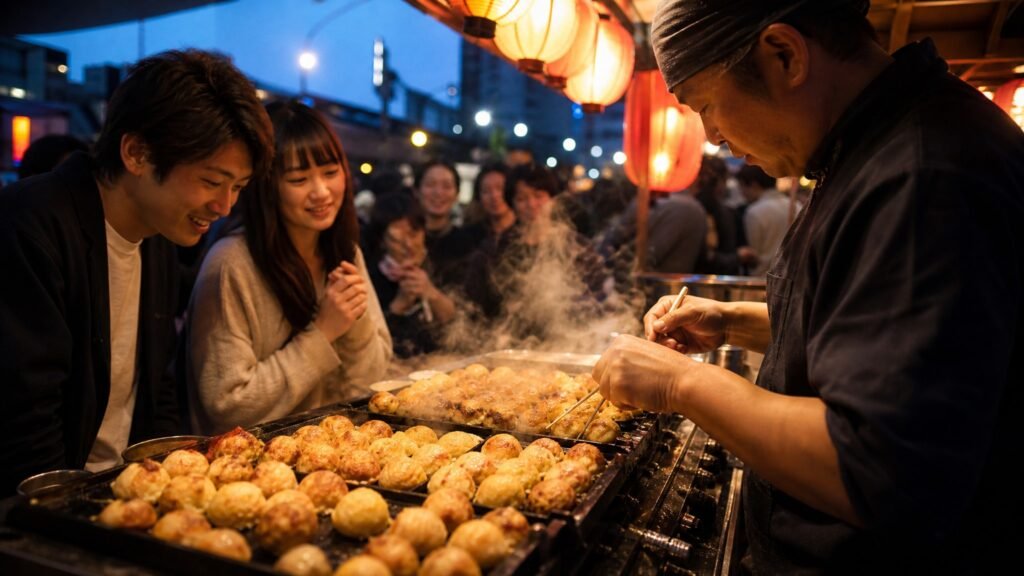
A local matsuri usually has a few things in common. It’s free to attend. It’s organized by residents rather than a tourism board. And it centers on something specific to that community: a shrine’s guardian deity, a harvest tradition, or simply a shared summer evening. You’ll find paper lanterns strung between houses, a small stage for taiko drumming, and food stalls run by families who’ve been doing it for decades. There’s no ticket booth and no roped-off viewing area. You just walk in.
How This Guide Differs From Typical “Top Festivals” Lists
Most guides answer “which famous festival should I see this year?” This one answers a different question: how do you actually find and enjoy the kind of matsuri that Japanese families go to on an ordinary Tuesday night in August? We’re less interested in ranking festivals by size and more interested in helping you understand the rhythm of the season, so you can recognize a good local event when you see a poster for one taped to a utility pole.
Traditional Summer Festivals Japan Visitors Can Actually Join
Two categories of traditional summer festivals in Japan are especially open to visitors: Bon Odori dances and small neighborhood shrine festivals. Both are common enough that you’re likely to encounter one just by being in Japan in July or August, and both are genuinely welcoming to outsiders.
Bon Odori: The Community Dance Anyone Can Join
Bon Odori is a folk dance performed during Obon, the mid-summer period honoring ancestors, typically observed in mid-July or mid-August depending on the region. Neighborhood Bon Odori gatherings held in local parks and temple grounds throughout July and August are typically free, open-air, and welcome anyone to join the dance circle regardless of skill or background. There’s no need to have learned the steps beforehand. Dancers circle a raised wooden platform called a yagura, following the person in front of them, and newcomers usually pick up the basic movements within a song or two. If you’re wondering whether it’s okay for foreign tourists to join in, the answer is almost always yes. Organizers tend to be delighted when visitors want to take part rather than just watch from the sidelines.
Neighborhood Shrine Festivals (Jinja Matsuri) Worth Detouring For
Alongside Bon Odori, small shrine festivals known as jinja matsuri pop up throughout the summer, often centered on a single local shrine rather than a citywide event. Mikoshi (portable shrine) processions at neighborhood jinja matsuri give visitors a close-up view of a centuries-old ritual that rarely appears in mainstream festival roundups. A group of residents, often in matching happi coats, carries the mikoshi through the streets while chanting rhythmically, pausing at intersections to rest and regroup. Watching one pass by, or simply standing near the shrine grounds as the procession sets off, is one of the most direct ways to see local matsuri as they’re actually practiced, rather than staged for tourists.
Best Summer Festivals Japan 2026: Regional Picks in Kyoto, Osaka, and Tokyo
If you’re building an itinerary for the best summer festivals in Japan for 2026, it helps to think regionally rather than event-by-event. Kyoto, Osaka, and Tokyo all have dense summer festival calendars once you look past the headline events.
Kyoto and Osaka Neighborhood Matsuri Beyond Gion
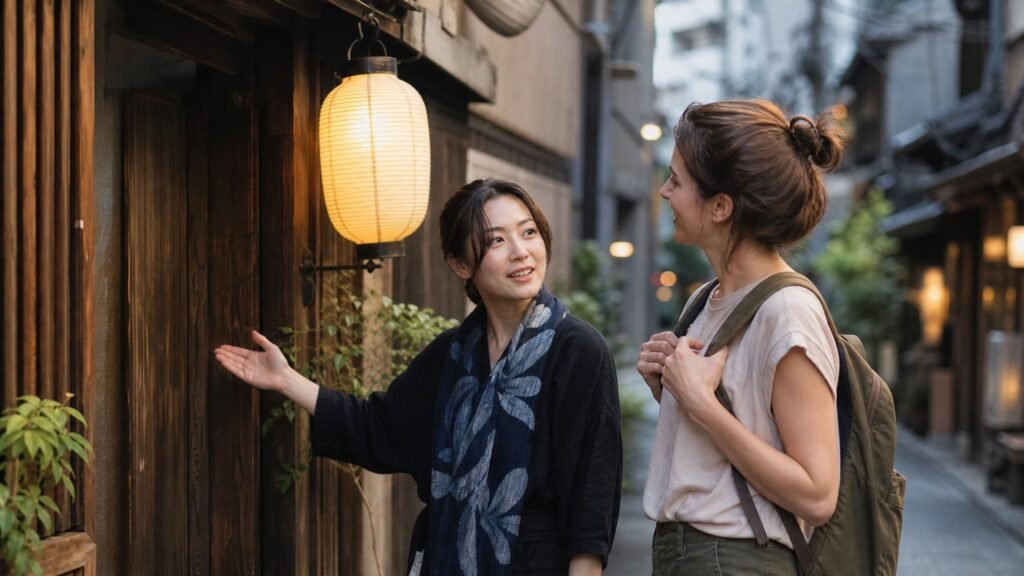
Kyoto’s residential districts hold their own shrine festivals throughout July and August, often overlapping with Gion Matsuri’s month-long calendar but drawing a fraction of the visitors. These are usually centered on a single ward’s local shrine, with a small parade, food stalls, and a Bon Odori dance in the evening. Osaka has a similar pattern, with neighborhood festivals scattered around its many local shrines during July and August, distinct from the much larger Tenjin Matsuri on the river. If you want help figuring out which of these smaller events are worth your evening, arranging a private guided day in Kyoto is a practical way to get pointed toward what’s actually happening that week, rather than guessing from a static list.
Tokyo-Area Local Matsuri Off the Main Tourist Track
Tokyo’s residential wards, places like Yanaka, Kagurazaka, or the quieter parts of Setagaya, hold shrine festivals and Bon Odori events throughout the summer that rarely appear on English-language calendars at all. These tend to run for a single evening or weekend, with lanterns, a small stage, and neighborhood food stalls. They’re worth checking for as you travel, especially if you’re staying in a residential area rather than a hotel district, since a matsuri might be happening within walking distance without any advance promotion.
Fireworks Festival Japan: Choosing a Hanabi Taikai Without the Mega-Crowds
Hanabi taikai, fireworks festivals, are one of the defining images of a Japanese summer, and nearly every region holds one at some point between July and late August. The nationwide names draw crowds in the hundreds of thousands. But that scale isn’t necessary for a great evening of fireworks.
How Local Hanabi Taikai Differ From Nationwide Spectacles
Smaller riverside hanabi taikai in regional towns often offer better sightlines and a calmer, more family-oriented evening than the mega-crowd nationwide shows. You can usually walk right up to the riverbank, find a spot on a blanket, and watch the show without fighting for space hours in advance. If you’re choosing a local fireworks festival, aim to arrive at least an hour early for a good spot, bring cash for food stalls since card payment is often unavailable, and expect the show to run for around an hour rather than the longer programs of the largest nationwide events. Coastal and riverside towns outside the major cities are a good place to start looking, since their hanabi taikai tend to be sized for the local population rather than a national audience.
Attending a Japanese Matsuri Festival: A Practical First-Timer’s Guide
Once you’ve found a local matsuri to attend, a little preparation goes a long way. Most of the etiquette is simple common sense, but a few specifics are worth knowing before you go.
Yukata Festival Japan Etiquette: What to Wear and How
Wearing a yukata, the lightweight cotton kimono worn in summer, is a common and welcomed way to join in the festival atmosphere. Many cities have yukata rental shops near popular festival areas, and staff will help you dress correctly, which matters because the wrap direction has real significance. Always fold the left side of the yukata over the right. The reverse is used only for dressing the deceased. A simple obi (sash) tie is fine for a casual festival outing, and geta sandals are the traditional footwear, though comfortable shoes work too if you’re walking long distances. Once dressed, keep the yukata modest by keeping the collar relatively closed and taking small steps, since the wrap restricts stride length.
Matsuri Etiquette: Food Stalls, Photos, and Shrine Manners
At the yatai (food stalls), it’s polite to eat standing near the stall rather than walking around with food in hand, and to return any dishes or trash to the vendor or a designated bin. Queueing is expected even in a casual festival setting. Around mikoshi processions and shrine grounds, photography is usually fine, but avoid stepping into the procession’s path or using flash directly at participants. If a festival includes a small shrine ceremony, a brief bow before the main hall is a respectful gesture, even if you’re not participating in worship. None of this requires fluent Japanese. A smile and a bit of care go a long way.
Planning Your Summer Matsuri Trip: Timing, Regions, and Local Guides
Summer matsuri season in Japan runs broadly from early July through late August, with Obon-related events clustering around mid-July in some regions and mid-August in others. Kyoto, Osaka, and Tokyo all have overlapping but distinct calendars, so a trip timed for late July might catch different festivals depending on which city you’re in that week.
When to Book and How to Build a Multi-Region Matsuri Itinerary
Because so many local matsuri aren’t announced far in advance, the best approach is to build flexibility into your itinerary rather than locking in a single festival date months ahead. Plan your base cities first, then leave a few open evenings to follow local listings or a guide’s recommendation once you’ve arrived. It’s also worth considering how crowds shift during Golden Week if you’re comparing travel seasons, since summer’s matsuri crowds behave quite differently from spring’s. If you’re mapping festivals across other seasons too, our cherry blossom festival guide and our complete seasonal festival calendar for Japan are good places to see how the year fits together.
Our local guides at Washoku Club City have spent years pointing guests toward the neighborhood shrine festivals and community matsuri that locals actually attend, rather than the overcrowded headline events. If you’d rather not navigate festival listings and shrine schedules on your own, building a custom itinerary with a local guide gives you access to the matsuri happening that specific week, plus the cultural context to actually understand what you’re watching. And once the festival’s over, many visitors round out the evening with something to eat, exploring Osaka’s street food scene pairs naturally with a matsuri stop, and if you’re staying at a ryokan afterward, it’s worth brushing up on the etiquette guide for ryokan and onsen visits too. Start with the seasonal festival planning pillar page, and let a local guide help you build a summer around the matsuri that actually feel like Japan.