Kyoto isn’t a city with one “best” home base. It’s a patchwork of neighborhoods, and each one feels like a different trip. Pick the wrong one and you’ll spend your mornings on trains instead of temple grounds. Pick the right one and the city opens up around you like it was built for exactly the trip you wanted.
After 12+ years running food and culture tours across Kyoto, our local guides have picked up guests from nearly every neighborhood in the city. We’ve seen which areas actually work for first-timers versus which ones just look good in photos. This guide walks through the real trade-offs, not just a list of hotels.
How to Choose Where to Stay in Kyoto as a First-Time Visitor
There’s no universal answer to where to stay in Kyoto. The right base depends on what kind of trip you’re planning. A temple-focused itinerary wants different geography than a food-first weekend or a nightlife-heavy few days.
That’s the core of any useful first time visitor guide to Kyoto: match the neighborhood to your actual plans, not to a generic “top 10” list.
What Kind of Trip Are You Planning: Temples, Food, or Nightlife?
Temple-goers want to be near eastern Kyoto, close to Kiyomizu-dera, Yasaka Shrine, and the old stone lanes around them. Foodies want easy access to markets, izakaya streets, and the downtown dining core. Travelers chasing nightlife and shopping tend to gravitate toward that same downtown pocket, just after dark.
None of these are wrong choices. They’re just different trips wearing the same city.
Walkability vs. Train Access: What Actually Matters
Kyoto’s subway and bus network is reliable, but it isn’t instant. A base that’s walkable to your top priorities will save you more time than a slightly cheaper hotel three train stops away.
Our guides often tell guests that Kyoto rewards walkers. The neighborhoods that feel most magical are the ones you stumble through on foot at dusk, not the ones you only see from a taxi window. That’s one of the more useful Kyoto first time visitor tips we can offer: choose proximity to what you love over proximity to a subway line you’ll only use twice.
Gion: Best Neighborhood for Culture, Geisha Streets, and Temple Access
If you’re wondering about Gion Kyoto where to stay, this is the district built for travelers who want Kyoto to feel like Kyoto from the moment they step outside.
What It Feels Like to Stay in Gion
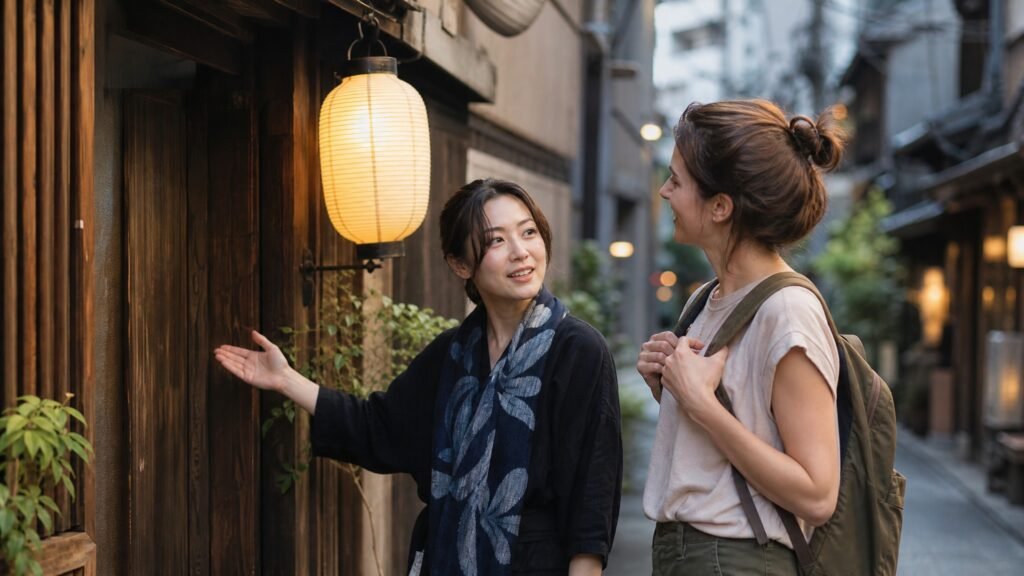
Gion is wooden machiya facades, stone-paved lanes, and lantern light in the evenings. It’s the neighborhood most associated with geisha culture. Staying here puts you inside that atmosphere rather than just visiting it for an afternoon. Accommodation ranges from traditional ryokan to converted machiya guesthouses, with a handful of modern hotels mixed in.
It’s touristy in the early evening, especially around the main geisha-spotting streets. But early mornings and late nights reveal a much quieter, more residential side of the district. Travelers interested in exploring Gion’s geisha district in more depth will find that staying here gives them a real head start.
Getting to Kiyomizu-dera and Yasaka Shrine on Foot
This is Gion’s biggest practical advantage. A guest based here can walk to Yasaka Shrine and Kiyomizu-dera before the breakfast crowds arrive. Someone staying near Kyoto Station spends that same window on a train. For temple-focused first-timers, that difference shapes the whole trip.
Arashiyama vs. Gion: Where to Stay for a Quieter, Nature-Focused Kyoto
The Arashiyama vs Gion where to stay question comes up constantly. The honest answer depends on your tolerance for commuting.
The Bamboo Grove and Riverside Vibe After Dark
Arashiyama, on Kyoto’s western edge, is built around nature: the bamboo grove, the Hozugawa river, and forested hillsides. During the day it draws big crowds around the main paths. But Arashiyama feels like a peaceful countryside escape by evening, once the day-trippers leave and the riverside settles into quiet.
If you’re planning your trip around autumn color, it’s worth pairing your neighborhood research with a look at Kyoto’s best autumn foliage spots, since Arashiyama is one of the city’s standout foliage areas.
Trade-Offs: Commute Time vs. Peace and Quiet
The trade-off is real. Staying in Arashiyama means a 20-30 minute commute back into the city center for dinner or nightlife. Gion keeps you close to the action; Arashiyama trades that convenience for scenery and calm.
For a first Kyoto trip, we generally point food-and-nightlife travelers toward Gion or downtown. We reserve Arashiyama for guests who want at least one slower, nature-heavy day built into a longer itinerary.
Kyoto Station and Downtown: Best Base for Convenience and Day Trips
If you’re deciding where to base yourself in Kyoto around logistics rather than atmosphere, the area around Kyoto Station is the practical answer.
Why Transit-Focused Travelers Love This Area
Kyoto Station is a transit hub, a shopping mall, and a hotel district rolled into one. It lacks the historic charm of Gion or the scenery of Arashiyama, but it makes up for that with sheer convenience. Buses to almost every part of the city leave from right outside. The hotel selection here also tends to be more modern and budget-flexible than what you’ll find in the old town.
Access to Nara, Osaka, and the Shinkansen
This is also the neighborhood for anyone planning day trips. Nara and Osaka are both a short train ride away, and the Shinkansen platforms sit right inside the station. If your itinerary includes a day trip to Osaka from Kyoto, basing yourself here cuts your travel time down considerably.
Kyoto Neighborhoods for Foodies: Where the Food Culture Lives
Kyoto neighborhoods food culture questions almost always lead to the same answer: downtown, around Nishiki Market and the streets just south of it.
Nishiki Market and the Downtown Dining Scene
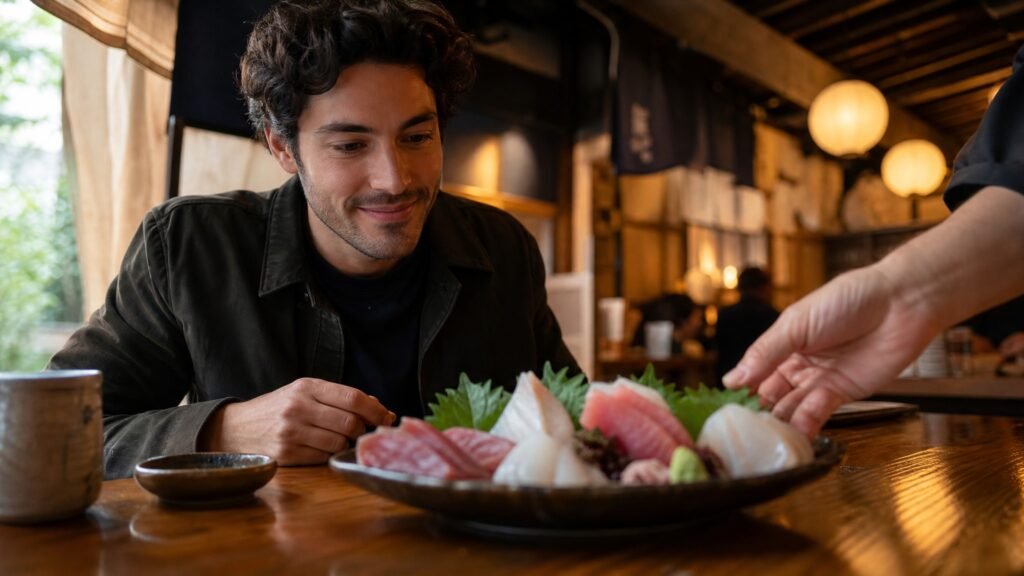
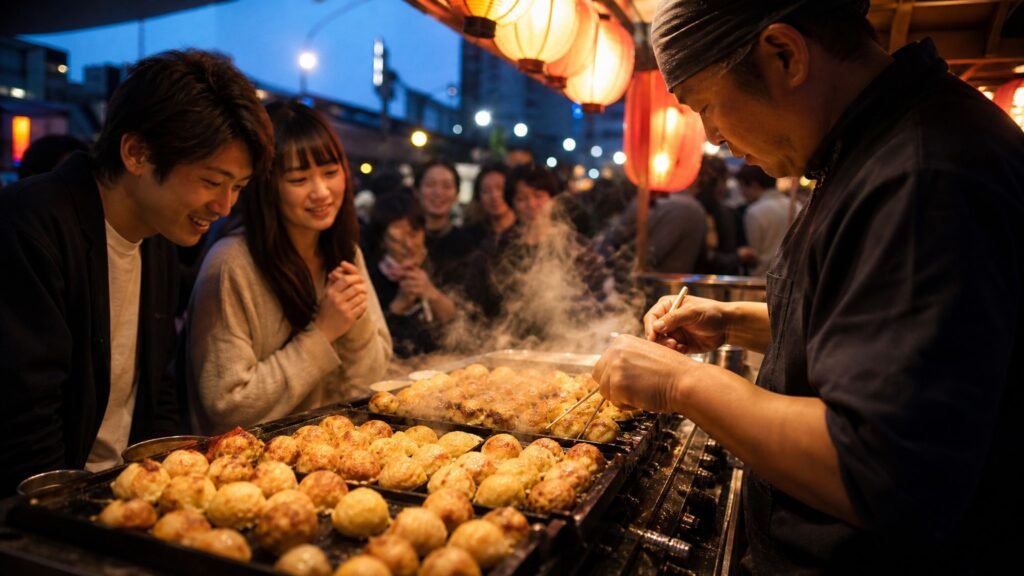
Nishiki Market is Kyoto’s food heart. Stalls sell everything from fresh tofu skin to grilled skewers to pickled vegetables made the same way for generations. Staying nearby puts you within walking distance of the market itself, plus the dense restaurant blocks that surround it.
This part of downtown Kyoto also connects well to Gion, so foodies don’t have to sacrifice temple access to stay close to the food.
Izakaya Alleys and Hidden Local Favorites
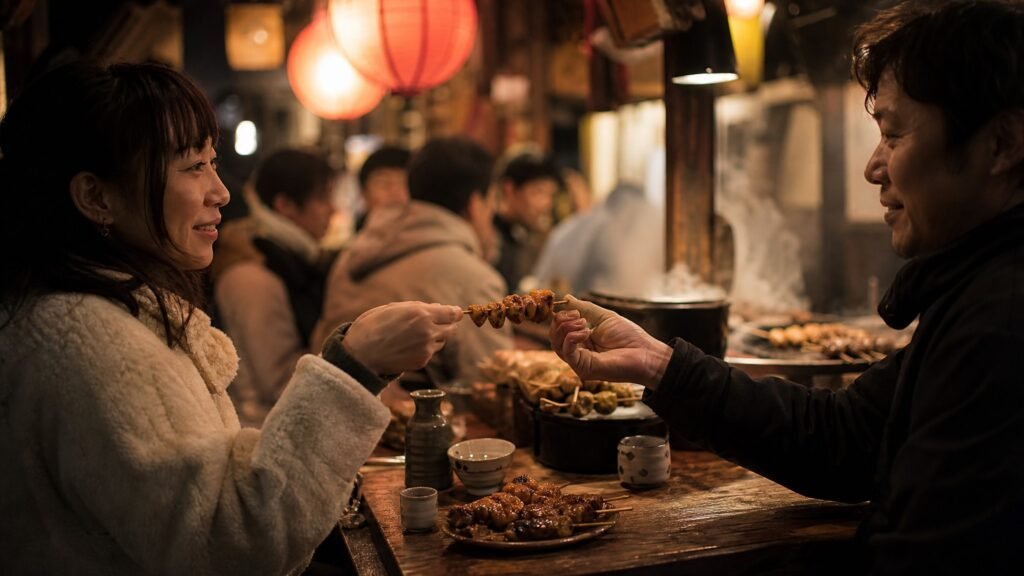
Beyond Nishiki, the narrow alleys around Pontocho and Kiyamachi hide izakaya that don’t show up on most tourist maps. Kyoto’s food culture lives in these small, often unmarked spots as much as it does in the famous market stalls.
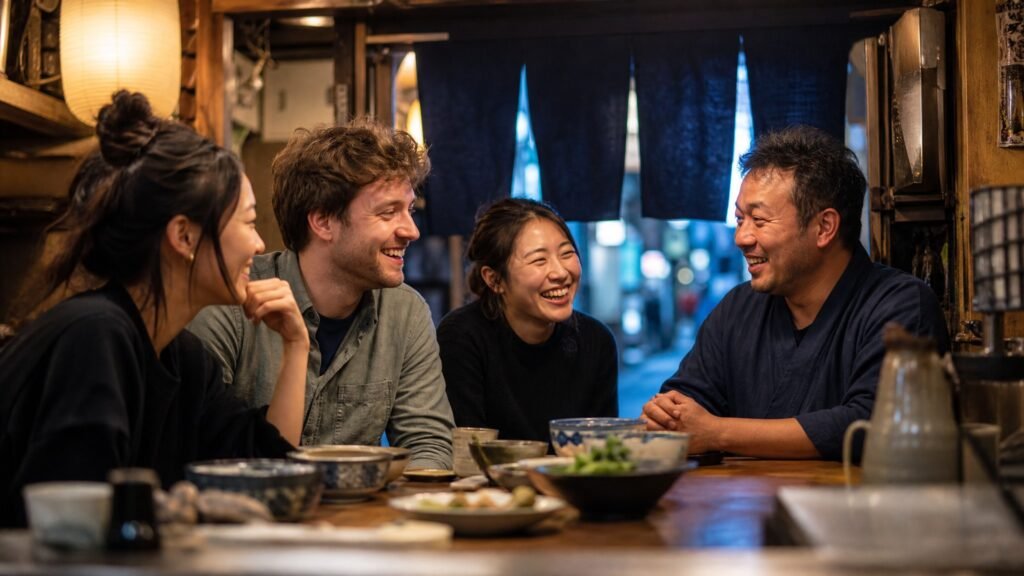
The best way to actually find them is with someone who already knows which doors to open. That’s exactly what joining a Kyoto food tour with a local guide is built for. It turns an intimidating alley into a night you’ll talk about for years.
Traditional Accommodation Near Kyoto’s Temples
For travelers who want an experience as much as a location, traditional Kyoto accommodation near temples is worth building your whole trip around.
Ryokan and Machiya Stays for an Authentic Night in Kyoto
Ryokan are traditional Japanese inns, usually featuring tatami floors, futon bedding, and multi-course kaiseki dinners. Machiya are converted historic townhouses, often smaller and more private, with a similar traditional feel. Both are concentrated most heavily in and around Gion and eastern Kyoto, close to the temple district.
Book these well in advance. Kyoto draws tens of millions of domestic and international visitors a year, and most of them concentrate around a handful of neighborhoods. That’s exactly why picking the right base changes how crowded, or how peaceful, your trip feels. It’s also why the best ryokan rooms near popular temples fill up months ahead, especially during spring and fall. If you’re curious about what a night in one actually involves, from etiquette to the shared-bath experience, staying in a traditional ryokan is worth reading before you book.
Wherever you land, the neighborhood you choose only sets the stage. What you actually do in Kyoto is what makes the trip. Once you’ve picked your base, consider a private guided day tour of Kyoto to make sense of the city’s temples, backstreets, and food stalls with someone who’s spent years learning exactly where they are.