Planning a trip to Japan often leads to one delicious dilemma: should you prioritize the capital’s polished dining scene or the Kansai region’s legendary street food culture? We hear this question constantly from travelers trying to decide between a Tokyo food tour vs Osaka food tour. Honestly, there’s no single correct answer, because each city satisfies a completely different kind of hunger. Tokyo offers an endless spectrum of specialized niches and high-end refinement. Osaka delivers a boisterous, communal celebration of hearty flavors that feels entirely its own.
Understanding these differences helps you match your booking to your actual travel mood rather than picking a city at random. This side-by-side breakdown covers atmosphere, typical dishes, budget expectations and dietary accessibility, so you can book with confidence.
Defining the Vibe: Tokyo Refinement vs Osaka Soul
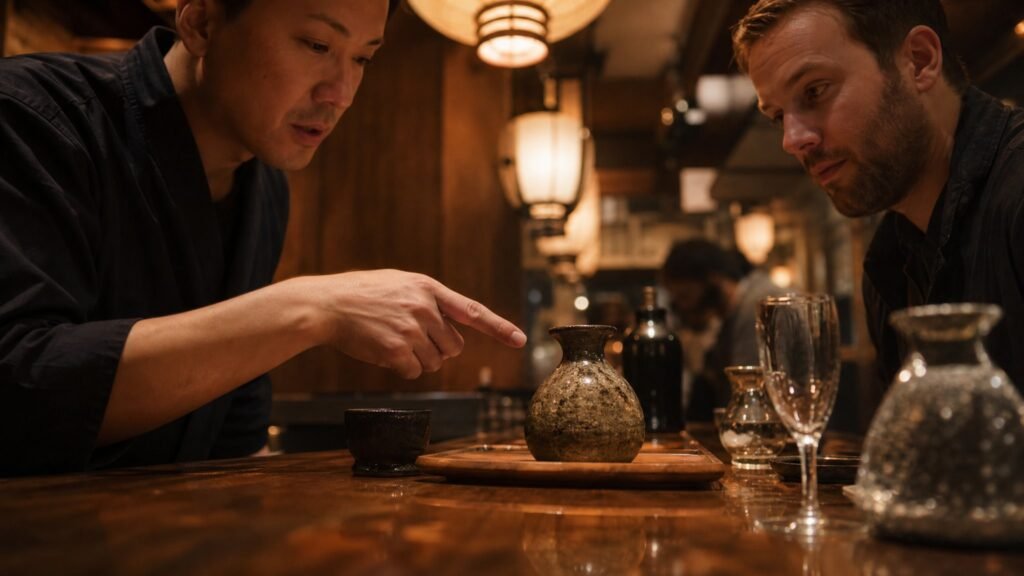
Tokyo and Osaka run on fundamentally different culinary frequencies, and that shapes every interaction you’ll have at the table. The capital is a vast, segmented landscape where distinct neighborhoods specialize in specific crafts, creating an atmosphere of focused appreciation and quiet mastery. You might spend an evening in a hushed six-seat sushi counter in Ginza one night and explore retro gaming bars in Shimokitazawa the next. That’s two entirely different Japans within twenty-four hours.
Osaka feels like one continuous, open-air festival where the line between vendor and customer dissolves into shared laughter and steam rising off iron griddles. Osaka is historically known as “Tenka no Daidokoro” (the Nation’s Kitchen), thanks to its central role in rice trading and soy sauce production. That history built a cuisine that prioritizes bold flavors and dashi over visual presentation. This merchant-city heritage means locals value taste and generosity over aesthetics, and the dining culture here is louder, faster and far more informal than anything you’ll find in the Kanto region.
Neither approach is superior. They just demand different expectations from you as a visitor.
What You Actually Eat on a Tokyo Food Tour
A curated journey through Tokyo is less about volume and more about watching extreme specialization play out across very different districts. Our guides design routes that move through neighborhoods like Shinjuku’s Omoide Yokocho or Yanaka’s old-town alleys, each one holding onto its own culinary identity despite sitting inside the same massive metropolis. Tokyo consistently holds the highest number of Michelin-starred restaurants globally, which is why it’s the go-to destination for tours built around high-end gastronomy and technical precision. Even so, the real magic often lives in the humble shops tucked beneath the train tracks.
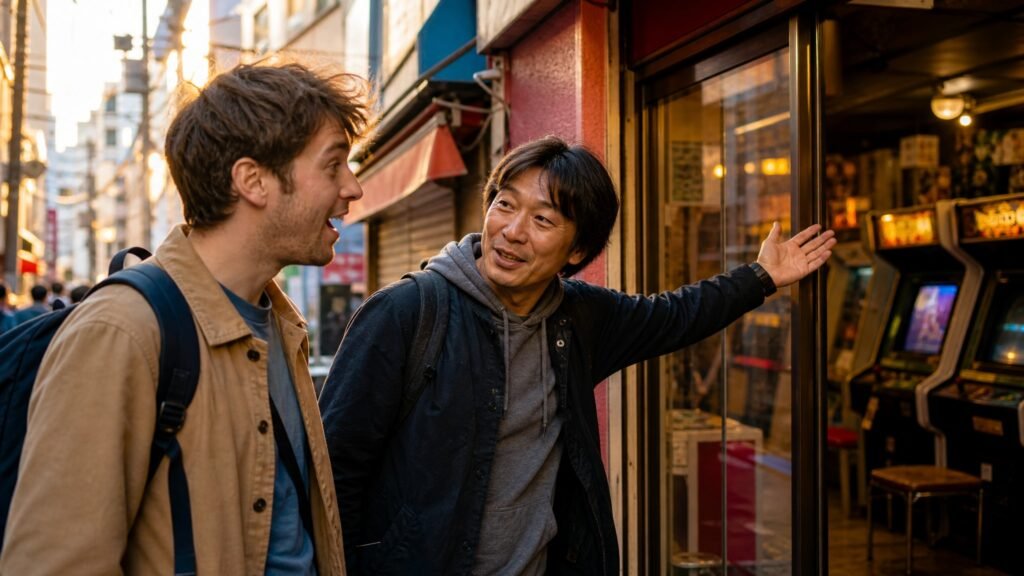
You’ll encounter an astonishing range of experiences that blend traditional craftsmanship with contemporary subculture in ways unique to the capital. Tokyo food tours frequently fold in pop culture elements, like visits to anime-themed cafes in Akihabara or retro gaming bars in Shimokitazawa, pairing culinary tasting with modern subculture exploration. If that intersection of otaku culture and cuisine interests you, our piece on anime-themed dining experiences in Tokyo walks through a niche that simply doesn’t exist anywhere else in the country.
That variety means your Tokyo experience is highly customizable, whether you crave Edo-period tradition or futuristic novelty. Check out a sample Tokyo food tour itinerary to see how these contrasting elements weave into a single evening.
The Osaka Food Tour Experience: Kuidaore and Street Eats
Osaka operates under the philosophy of kuidaore, which translates roughly to eating until you drop, and that ethos turns every meal into an act of joyful excess. Tours here center on casual standing bars, sizzling takoyaki stalls and the neon-lit market alleys of Dotonbori, where vendors shout greetings and the air smells perpetually of fried batter and savory sauce. You’re rarely sitting in isolation. Instead, you stand shoulder-to-shoulder with locals waiting on fresh okonomiyaki, or chat with the uncle running a kushikatsu stand.
Our local guides tell us Osaka tourists often spend less per meal but eat more often throughout a tour, a direct result of the city’s kuidaore culture and its cheap, plentiful street snacks. This grazing style creates a rhythm of movement and conversation that makes strangers feel like old friends by the third stop. Curious about the economics behind this kind of generous hospitality? Our Osaka tour pricing and value breakdown lays out exactly what your money buys in portions and stops.
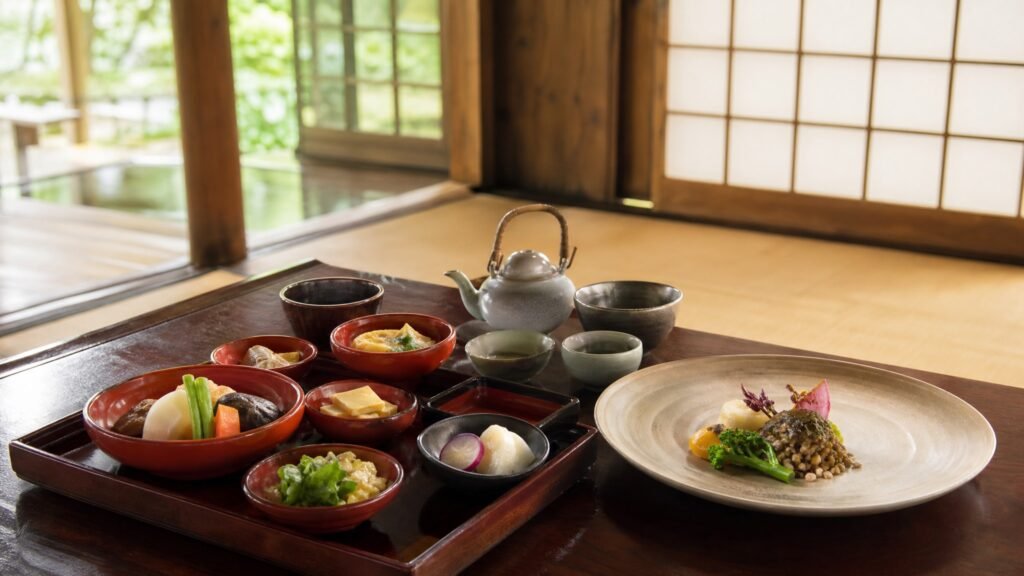
The food itself reflects that same unpretentious spirit, favoring bold seasoning and satisfying textures over delicate plating.
Cost Comparison: Budgeting for Your Food Adventure
Your budget stretches differently in each city, because they offer distinct value propositions beyond a simple price tag. Tokyo spans wider price tiers, from cheap ramen tickets to exclusive omakase counters, so you can calibrate spending to your comfort level while still getting world-class quality at the lower end. You can eat extremely well in the capital without going broke, but the ceiling for exclusivity climbs a lot higher if you choose to chase it.
Osaka delivers remarkably consistent value, where even modest budgets buy real satisfaction through generous portions and frequent tastings. The city’s competitive street food scene keeps prices grounded, so your tour fee typically covers more stops and heavier portions than a comparable day in Tokyo. Knowing this upfront helps you match your spending to the kind of satisfaction you’re actually after: refined exclusivity, or abundant comfort.
We always tell guests to match budget to appetite rather than assume cheaper automatically means better.
Dietary Needs and Specialized Tours in Each City
Navigating dietary restrictions calls for different strategies in each city, and knowing this beforehand saves you a stressful moment at the table. Tokyo generally has more dedicated plant-based infrastructure, including vegan ramen shops and international restaurants used to modifying dishes, which makes independent navigation somewhat easier if you’re vegetarian or managing allergies. Years of international tourism have built pockets of specialized dining here that cater explicitly to non-traditional diets, no lengthy explanation required.
Osaka’s traditional food scene leans heavily on fish-based dashi and meat stocks, so vegetarian options take more active guide navigation and some advance communication with vendors. That’s precisely where a knowledgeable local guide earns their keep: they can point you to hidden vegetable-forward dishes, or arrange custom preparations that respect both your needs and the chef’s craft. If you’re visiting multiple cities with strict dietary requirements, our guide to multi-city vegetarian travel planning covers specific neighborhoods and dishes that work in both regions.
Booking a private local guide in either city eases these concerns considerably, since they handle translation and negotiation before you ever reach the counter.
Choosing Your First Tour Based on Travel Style
First-time visitors should choose based on their own travel rhythm, not on some external ranking of which city has better street food. If you like structure, visual beauty, and the chance to dive deep into a specific interest like craft cocktails or regional sake, start with Tokyo. It builds a baseline of Japanese culinary precision, and its organized nature makes for a gentler introduction while still holding plenty of surprise for seasoned travelers.
Choose Osaka first if you thrive on chaotic energy, spontaneous interactions, and meals that feel like community events rather than performances. The city’s forgiving atmosphere lets you relax into the experience right away, with no worrying over etiquette or formality, which makes it ideal if you learn best through immersion. Many guests find the “best food city in Japan” debate resolves itself once they realize each city is answering a different emotional need.
Consider pairing both cities if your schedule allows it. The contrast itself becomes the highlight of the trip.
Booking the Right Local Guide for Authentic Access
The quality of your guide matters far more than the city name when you’re after experiences beyond tourist traps and guidebook recommendations. A skilled local host doesn’t just translate menus. They read the room, adjust pacing to your energy, and introduce you to shop owners who might otherwise stay closed off to foreign visitors. That human element is what turns a string of meals into a genuine cultural exchange, one that lingers in memory long after you’re home.
Look for operators with deep local roots who show flexibility in their itineraries rather than sticking to a rigid, fixed route. Learning how to choose the right food tour means checking for exactly that kind of adaptability, and reading reviews that mention personalized adjustments rather than generic praise. We believe the best tours feel like hanging out with a knowledgeable friend who happens to know every good spot in town, not following a script.
Common Questions About Tokyo and Osaka Food Tours
Can I do both a Tokyo and Osaka food tour on the same trip?
Absolutely, and we actively encourage it because the contrast deepens your understanding of Japanese food culture. Most travelers find that experiencing Tokyo’s refinement first makes Osaka’s boisterous street food feel even more vibrant and liberating by comparison.
Is Osaka really cheaper than Tokyo for food tours?
Osaka generally offers more consistent value with larger portions and more frequent stops included in the base tour price. Tokyo has a wider price range overall, so while premium experiences cost more, budget-friendly options still deliver exceptional quality at lower tiers.
Which city is easier for vegetarians and vegans?
Tokyo has more dedicated plant-based restaurants and internationally accustomed venues, making independent dining somewhat simpler. Osaka requires more navigation due to widespread dashi use, but a private local guide can successfully arrange traditional dishes modified for vegetarian diets with advance notice.
Should I book my food tour before arriving in Japan?
Yes, especially for peak seasons like cherry blossom spring and autumn foliage periods when popular guides fill months ahead. Early booking also gives your operator time to customize the itinerary for dietary needs or specific interests like anime cafes or sake breweries.