Kyoto’s mountains hold a quieter magic than its famous shrines, but reaching that solitude takes more than a map and good intentions. Many visitors start with a guided Fushimi Inari experience, but the city’s real hiking depth lies in the forested ridges and ancient pilgrimage paths beyond the tourist core. A Kyoto hiking tour with a local guide opens up these hidden landscapes and turns a simple walk into a journey through living history.
We believe the best trails are the ones where you stop checking your phone and start noticing the moss on a stone lantern, or the wind moving through cedar trees. We’ve run guided cultural and outdoor experiences across Japan for over 12 years, and in that time we’ve built real relationships with local communities and the people who look after these trails. This article is about moving past the postcard views and into the actual rhythm of Kyoto’s mountains.
Why Book a Kyoto Mountain Hike Guide Instead of Going Solo
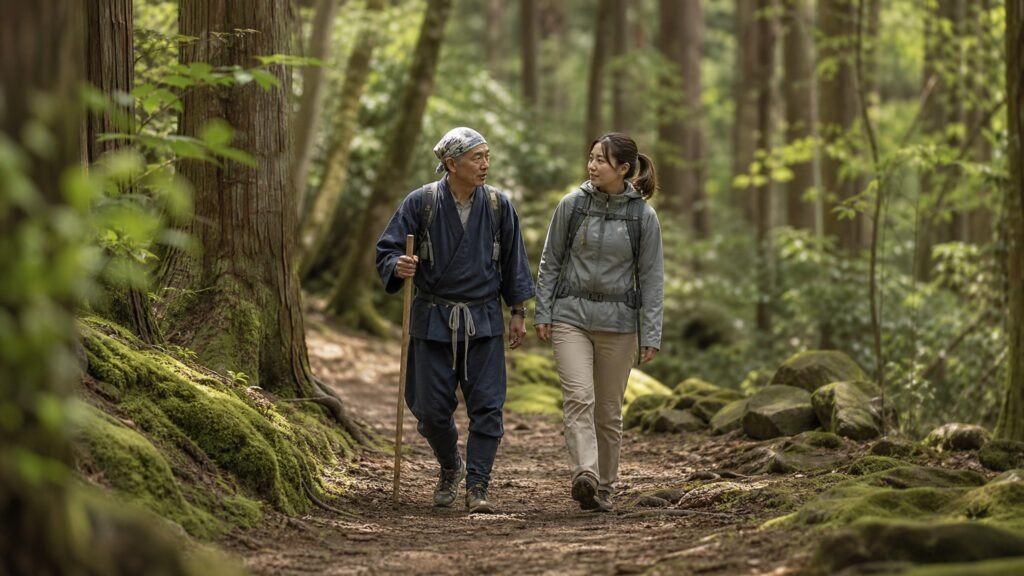
You might navigate Tokyo’s subway alone and do fine, but Kyoto’s mountain trails run on a different logic, one that rewards local knowledge over digital navigation. A Kyoto mountain hike guide does more than point the way forward. They translate the landscape, explain why certain paths exist, and make sure you respect the sacred spaces you’re walking through. Without that context, even experienced hikers can miss the details that make these routes meaningful, or wander into areas they shouldn’t.
Navigating Unmarked Trails and Temple Etiquette
Many of Kyoto’s most rewarding paths have no English signage and wind through private temple grounds where access rules shift with the seasons. Our guides carry real-time knowledge of trail conditions, seasonal hazards, and temporary closures that no guidebook can keep up with, especially after typhoon season or heavy snowfall. They know which sub-temples welcome quiet visitors and which need advance permission, so you don’t end up turned away at the gate.
Etiquette goes beyond removing your shoes at the entrance. It’s knowing when to bow, how to pass monks on a narrow path, and telling the difference between a public trail and a monastic training route. Your guide shows you this by example, so you can follow along without worrying constantly about getting it wrong.
Safety and Seasonal Trail Conditions
Mountain weather in Kyoto shifts faster than any forecast app can keep up with, especially during humid summers and the sudden cold fronts that roll in come autumn. Guides carry emergency communication devices and know evacuation routes that don’t show up on standard hiking maps. They keep an eye on how the group is holding up and adjust the pace, or the destination, before anyone gets dangerously tired.
That safety net matters most once you’re far from paved roads, where cell service can’t be relied on. A guide who can read cloud formations, soil stability and signs of wildlife is the reason a minor discomfort doesn’t turn into a real emergency. You get to focus on the scenery because someone else is watching for the risks.
Kurama Kibune Hiking Tour: Mountains, Temples, and Riverside Dining
The Kurama Kibune hiking tour is our signature recommendation for travelers who want both a physical challenge and real cultural immersion packed into one day. The traverse connects the sacred mountain temple of Kurama-dera with Kibune, the historic riverside dining village, blending spiritual hiking with culinary tradition in a way that feels seamless rather than stitched together. It delivers everything a Kyoto hiking day trip should: forest bathing, architectural wonder, and a meal that feels earned rather than scheduled.
The Kurama-dera to Kibune Ridge Traverse
The climb from Kurama Station to the temple complex works your legs while rewarding you with centuries of devotional art tucked among towering cedars. From the main hall, the trail climbs further to Mount Kurama’s summit, then drops along a root-tangled ridge toward Kibune Valley. This stretch demands steady footing and the right pace, but the canopy overhead and the occasional shrine marker set a meditative rhythm no flat city walk can match.
Reaching Kibune feels like arriving at a secret reward. The valley narrows as you descend, and the sound of rushing water builds until wooden platforms over the river come into view. Your guide times the arrival to miss the peak crowds while making sure you’ve still got energy left to enjoy it.
Combining Nature with Traditional Kawayuka Meals
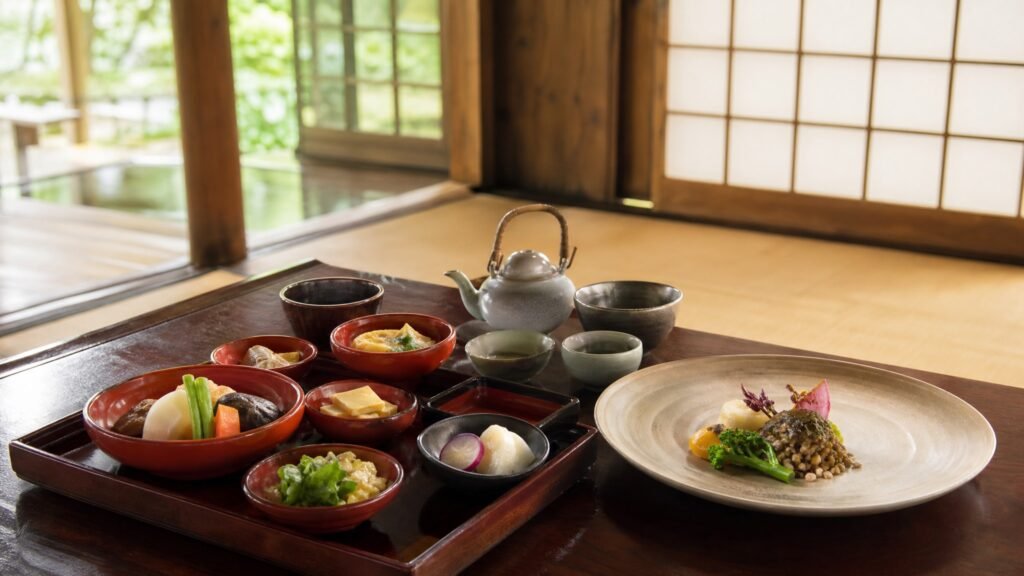
Kawayuka dining means eating on temporary platforms built directly over the Kamo River, a summer tradition going back to the Heian period. Restaurant reservations, seating customs and menu choices can overwhelm first-time visitors, especially in July and August when demand peaks. We handle all of that, so you just sit down, feel the cool mist rising off the water, and eat seasonal dishes like ayu sweetfish and chilled somen noodles.
This mix of exertion and restoration is what sets a Kyoto nature tour guide experience apart from ordinary sightseeing. You earn the meal through effort, then enjoy it somewhere that connects you to centuries of Japanese aesthetic sensibility. If you’d like to explore a similar nature-and-dining combination elsewhere, our Arashiyama bamboo forest tours are worth a look.
Guided Hike Kyoto Temples: Higashiyama’s Hidden Eastern Peaks
Higashiyama’s eastern peaks hold networks of ancient pilgrimage paths and sub-temples, Daigo-ji among them, that stay largely uncrowded compared to central Kyoto’s main attractions. A guided hike through Kyoto’s temples here reveals layers of Buddhist practice and forest ecology that most guidebooks mention only in passing. These trails suit travelers who want temple culture without the shoulder-to-shoulder crowds of Gion or the Philosopher’s Path.
Daigo-ji and the Secret Trails of Yamashina
Daigo-ji’s upper precincts require uphill walking that puts off casual tourists, which is exactly why the moss gardens and hidden chapels stay so peaceful. Guides lead you through sections closed to independent visitors, explaining the temple’s role in Shugendo mountain asceticism and its ties to imperial history. The surrounding Yamashina hills push this further into genuine wilderness, where stone markers replace pavement and birdsong replaces traffic.
These routes ask for moderate fitness and reward patience with real stillness. You might pass a monk sweeping leaves, or find yourself alone in a garden built for contemplation rather than photographs. Moments like that happen naturally when you’re walking with someone who belongs to the landscape.
Connecting Ancient Pilgrimage Routes
The trails linking Higashiyama’s temples were first walked by pilgrims seeking enlightenment through physical hardship. Today they work as corridors between sacred sites, preserving old-growth forest and traditional land management along the way. Walk them with a guide and disconnected temple visits turn into one coherent story about how Japanese spirituality lives in natural space.
These paths also connect to wider regional networks for anyone thinking about multi-day trekking. If you’d rather build confidence first, we also offer gentle hiking routes for beginners that ease you into mountain culture.
What to Expect From Our Kyoto Nature Tour Guide Experience
Our guides are locals who genuinely love sharing their home. They’re not reciting a script. They blend hiking know-how with cultural storytelling and food knowledge, and they adjust their commentary to how curious you are. Every tour moves at a pace built for discovery, not athletic achievement, which makes it accessible to active travelers across a range of fitness levels.
You’ll never feel rushed toward a checkpoint, or lectured about facts you never asked about. Conversation moves naturally between trail conditions, historical anecdotes and recommendations for the rest of your time in Kyoto. That human connection is what separates a memorable day from a checklist completed.
Essential Gear and Preparation for Your Kyoto Hiking Day Trip
Proper preparation decides whether your hike feels invigorating or miserable, whatever the trail difficulty. Kyoto’s humidity amplifies heat stress in summer and can chill you unexpectedly in autumn, so layering matters more than one heavy jacket. Your guide will give you specific advice based on current conditions, but these basics hold year-round.
Seasonal Clothing and Footwear Recommendations
Sturdy shoes with real tread aren’t optional on Kyoto’s root-covered paths and wet stone steps. Running sneakers won’t cut it; go with hiking shoes or light boots with proven grip. Summer calls for moisture-wicking fabrics and sun protection even under forest shade, while autumn wants insulating mid-layers that pack down small once you warm up from exertion.
Pack rain gear even when the sky looks clear. Mountain showers can build fast, and the risk of hypothermia climbs with elevation. Skip cotton entirely: it holds moisture and loses its insulating properties once wet. Synthetic or merino wool base layers regulate temperature better and dry faster when you stop to rest.
Hydration, Snacks, and On-Trail Etiquette
Carry more water than you think you’ll need. Natural springs along the trails may not be safe to drink without treating first. Electrolyte supplements help prevent cramping in humid months, when sweat loss outpaces thirst. Pack quiet, low-trash snacks like rice balls or nuts rather than crinkly packaged food that disturbs wildlife and other hikers.
Japanese mountain etiquette puts harmony ahead of individual convenience. Keep your voice down near temples, yield to hikers coming uphill on narrow sections, and carry out all your waste, fruit peels included. Passing monks or pilgrims calls for a slight bow and a step aside. These small gestures recognize shared sacred space, not just recreational territory.
Customizing Your Private Guided Hike in Kyoto
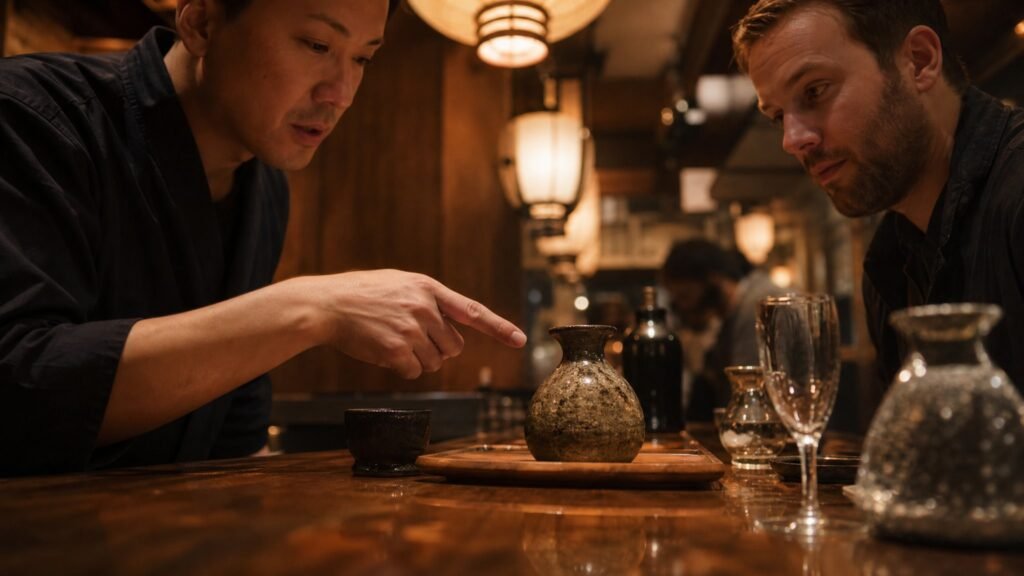
Every private tour adapts to your interests, mobility and energy level, because no two travelers are after the same thing. You might want a strenuous summit climb followed by izakaya dining, or a gentle nature walk that ends with matcha at a secluded tea house. We adjust difficulty, duration and cultural focus based on an honest conversation before we lock in any itinerary.
That flexibility extends to combining hiking with other interests. Travelers drawn to food often pair a morning hike with an afternoon private food experience in Kyoto to build a themed day. Others prefer architectural deep dives, or a photography-focused pace with extended stops at scenic viewpoints.
Customizing doesn’t mean compromising on safety or authenticity. We hold our standards regardless of what’s requested, and we’ll suggest alternatives when an idea runs against trail conditions or cultural appropriateness. It’s a collaborative approach, one that keeps your vision lined up with what the mountains actually offer that day.
Booking Your Kyoto Hiking Adventure With Confidence
Booking starts with a simple inquiry form where you share your travel dates, group size and general interests. We respond within one business day with personalized options and transparent pricing that covers guide fees, insurance and any entrance tickets. Direct communication with our local team continues until everything lines up, so there’s no guesswork about what you’re paying for.
Our cancellation policy is stated upfront, because mountain activities depend on conditions no one controls. We’d rather reschedule than refund when weather gets in the way, but we will never pressure you into an unsafe alternative. That’s how we operate: as partners in your adventure, not vendors processing a transaction.
Choosing a guide service is a matter of trust, especially for remote outdoor activities in unfamiliar terrain. Our piece on choosing the right private tour company lays out what separates experienced operators from aggregators. Book with us, and you get twelve years of trail knowledge and community relationships that no algorithm can replicate.
Frequently Asked Questions
How fit do I need to be for a guided Kyoto hiking tour?
Most of our tours accommodate active travelers who can comfortably walk 8-12 kilometers with elevation gain, though we customize pace and distance for each group. We honestly assess fitness during pre-tour conversations and recommend gentler alternatives if needed. No technical climbing skills are required, but regular exercise beforehand enhances enjoyment significantly.
What happens if bad weather strikes on my scheduled hiking day?
Guides monitor forecasts continuously and will contact you proactively if conditions threaten safety or enjoyment. We typically offer rescheduling to the next available date at no extra cost, or suggest modified lower-elevation routes that remain viable. Full refunds apply only when cancellation occurs less than 48 hours before departure due to unforeseen circumstances.
Can children or elderly relatives join private hiking tours?
Yes, provided we discuss capabilities and adjust expectations accordingly during planning. Families with young children often prefer shorter loops with frequent cultural stops, while older adults may appreciate reduced elevation gain and guaranteed rest points. Age alone never disqualifies participation; honest assessment of stamina and mobility determines appropriate routing.
Are meals included in the Kurama Kibune hiking tour price?
Tour pricing covers guiding services, transportation coordination, and temple entrance fees but excludes personal meal costs. We facilitate kawayuka restaurant reservations and provide menu guidance so you order confidently within your budget. This separation keeps base pricing transparent while allowing dietary preferences and spending comfort to vary freely among participants.