Walking through the vermilion tunnels of Fushimi Inari feels magical at first, but the experience can quickly turn into a shuffle through shoulder-to-shoulder crowds if you arrive without a plan. We have watched countless visitors snap the same photo at the entrance and leave wondering what all the fuss was about, missing the ancient forest and spiritual depth that lie just beyond the main path. A Fushimi Inari hike with a local guide changes that entirely, turning a generic sightseeing stop into a personal journey through living Shinto tradition.
With over 12 years of experience guiding international visitors through Kyoto, we have refined our Fushimi Inari routes to balance iconic photo spots with quiet moments of spiritual reflection. You deserve more than a crowded selfie. You deserve to understand why thousands of gates climb this sacred mountain, and what they mean to the people who built them.
Why Choose a Guided Fushimi Inari Torii Gate Hike Over Solo Exploration
Going alone is certainly possible, but it often means following the flow of foot traffic rather than discovering the shrine’s true character. Independent exploration offers freedom, sure, but it doesn’t hand you the cultural context or logistical insight this thousand-year-old place of worship deserves. Without local knowledge, the upper trails are easy to rush past, and with them the chance for a real connection with the landscape.
Unlocking the Spiritual Meaning Behind the Gates
The thousands of torii gates lining the trail are not decorative backdrops for social media. Each one represents a specific prayer or wish, donated by an individual or a business. Walk through them without knowing that, and a profound act of devotion becomes mere scenery. A guided hike through Kyoto’s torii gates reveals the inscriptions and stories hidden in plain sight. Your guide explains how these structures mark the transition from the mundane to the sacred, so the mountain reads as a continuous act of faith rather than an endless tunnel of orange paint.
That knowledge changes how you move through the space.
Navigating Hidden Shrines and Rest Spots
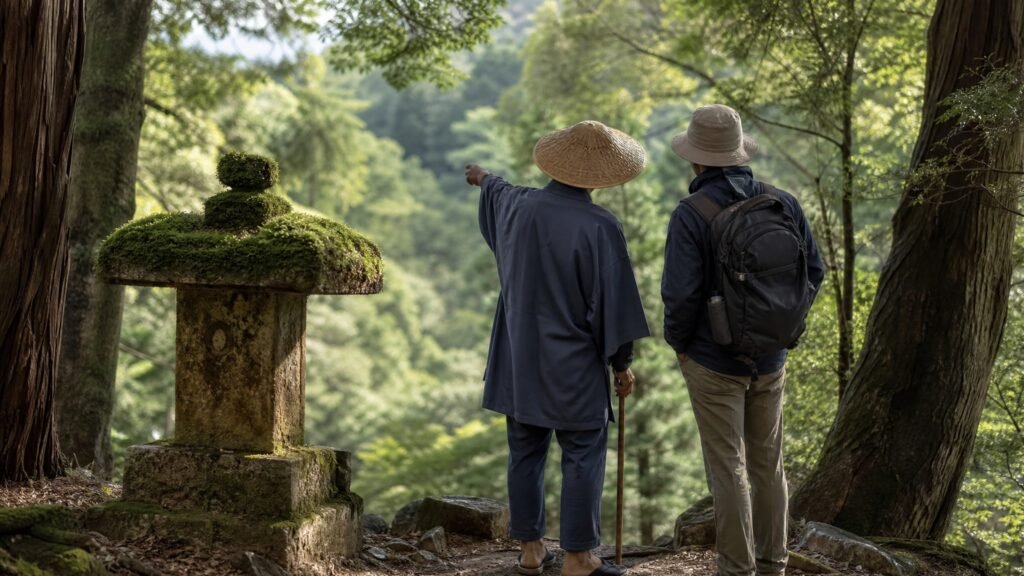
Most solo hikers stop at the Yotsutsuji intersection halfway up. Guided groups frequently continue to the summit, where the forest canopy opens and crowd density drops significantly. The upper mountain holds dozens of sub-shrines and stone markers with no English signage, which makes them effectively invisible if you’re relying on a guidebook or a translation app. We know where to pause for water, where to find shade during humid months, and which side paths lead to the secluded altars most tourists never see.
These hidden shrines offer the silence and atmosphere that defined this sacred site long before it became a bucket-list photo stop.
Strategic Timing: Fushimi Inari Early Morning Tour vs. Late Afternoon
Timing decides everything at this popular destination. Get it wrong and you’ll spend your visit navigating bottlenecks instead of absorbing the atmosphere. We recommend arriving before 7:00 AM or after 4:00 PM, when the tourist masses thin and the shrine returns to something closer to its contemplative roots. The light changes, the sound changes, and so does the whole encounter with the mountain.
Best Time to Visit for Photography and Solitude
A Fushimi Inari early morning tour is still the gold standard for capturing clean shots of the torii tunnels without hundreds of strangers in the frame. The soft pre-dawn light softens shadows and brings out the texture of the weathered wood, and the cooler air makes the climb itself easier. Late afternoon has similar advantages, with warmer, golden tones, though the sun dips behind the mountain earlier than you’d expect, so the lower trails fall into shadow well before official sunset.
You’ll notice the shift immediately: the chatter of tour groups fades, and bird calls take over.
Seasonal Considerations for 2026 and 2027
Planning a visit in 2026 or 2027 means thinking about how the seasons shape both trail conditions and crowd size. Spring and autumn draw peak domestic and international tourism, so weekday mornings matter most if you want to avoid congestion during cherry blossom season or autumn foliage tours. Summer humidity makes the climb harder, which is why an early start stops being optional and starts being necessary, while winter brings crisp air and bare branches that let you see the forest’s structure in a way the dense summer canopy hides.
Rain, oddly, helps: it deepens the colors of the gates and the moss, as long as you’ve got the right shoes and layers.
Full Summit Trail Breakdown: Duration, Difficulty, and Pacing
Many travel blogs underestimate how physical this climb actually is, and unprepared visitors end up abandoning the plan halfway up or pushing through exhaustion. The full loop to the summit and back covers roughly four kilometers of steep stone stairs, and it typically takes two to three hours for an average-paced hiker, well beyond the sixty-minute estimates you’ll see in generic guides that only cover the lower sections.
How Long Does the Fushimi Inari Hike Actually Take?
How long the hike takes depends entirely on whether you’re aiming for the summit or just exploring the lower loops. Reaching the top via the main trail takes roughly ninety minutes of steady climbing. The descent adds another forty-five to sixty minutes, depending on your knees and your confidence on uneven steps. A partial hike to the Yotsutsuji intersection and back fits comfortably within ninety minutes total, which gives you the atmosphere without the full elevation gain.
Your guide adjusts the pace to the group’s fitness, so nobody feels rushed or left behind.
Physical Preparation and Pace Management
The trail is almost entirely stone stairs of irregular height, which demands real leg strength and stamina even from people used to regular exercise on flat terrain. Take deliberate rest breaks at the designated platforms instead of pushing through fatigue. The steady incline works your muscles differently than a gym or a paved hiking path does. This isn’t a technical climb and it needs no special equipment, but it does ask for an honest read on your own conditioning, and a willingness to slow down.
We build recovery time directly into our private Kyoto hiking experience, so the day feels sustainable rather than punishing.
Cultural Insights: Fox Shrines, Offerings, and Mountain Worship
Understand the symbolism along the trail and random statues turn into a coherent story about protection, prosperity, and agricultural abundance. Without that framework, the meaning of the fox shrines stays hidden, and the offerings scattered across sub-shrines look like curious decorations rather than active expressions of faith that still shape daily life for local worshippers.
Understanding the Kitsune Messengers
The fox statues flanking shrine entrances are messengers between the human world and Inari, the deity of rice and commerce enshrined here since the eighth century. Each kitsune holds a symbolic item: keys to granaries, scrolls of wisdom, sheaves of rice for a good harvest. Recognizing these attributes lets you read the landscape as a text, not just a collection of cute animal sculptures. Red bibs on many statues mark a recent prayer answered or a new one made, a reminder that this is a working spiritual site, not a museum piece.
Your guide shares specific stories about particular foxes and the wishes tied to them, which adds a layer no plaque can.
Etiquette at Sacred Sites
Respectful behavior matters here, and small gestures show you understand this is a place of active worship, not a theme park. Bow slightly when passing through a torii gate, to mark the line between secular and sacred space. Keep your voice low near sub-shrines, where someone may be praying. Don’t touch or climb on structures, no matter how weathered they look. Some areas restrict photography for reasons tied to ritual purity rather than arbitrary rules, and your guide points these out before you accidentally cross one.
That mindfulness enriches your own visit while it honors the community that maintains this mountain.
Practical Prep: What to Wear and Bring for the Climb
Preparation is what makes this trail comfortable, and skipping the basics can turn an inspiring hike into a slog of blisters and dehydration. Knowing what to wear for the Fushimi Inari hike saves you from learning hard lessons on steep stone stairs, surrounded by other visitors with no easy exit once you’re committed to the upper sections.
Sturdy shoes with grip aren’t optional. Smooth-soled sandals or fashion sneakers turn dangerous on damp or polished stone, which holds moisture even on dry days. Modest clothing that covers shoulders and knees shows respect at the shrine, and it protects your skin from sun and insects in warmer months; breathable fabric keeps you from overheating during the climb. Carry enough water for your whole planned route, since vending machines disappear above the midpoint and there’s nowhere on the summit trail itself to buy a drink.
A small towel earns its space in your bag, for wiping sweat and cleaning your hands before you approach an offering box or a prayer rope.
Beyond the Hike: Pairing Your Trek With Authentic Kyoto Experiences
Physical exertion builds an appetite, and Kyoto’s food culture is the perfect reward for reaching the summit. Pair the outdoor exploration with something culinary and a single activity turns into a full day that connects landscape, effort, and local tradition.
Post-Hike Food Culture and Local Eateries
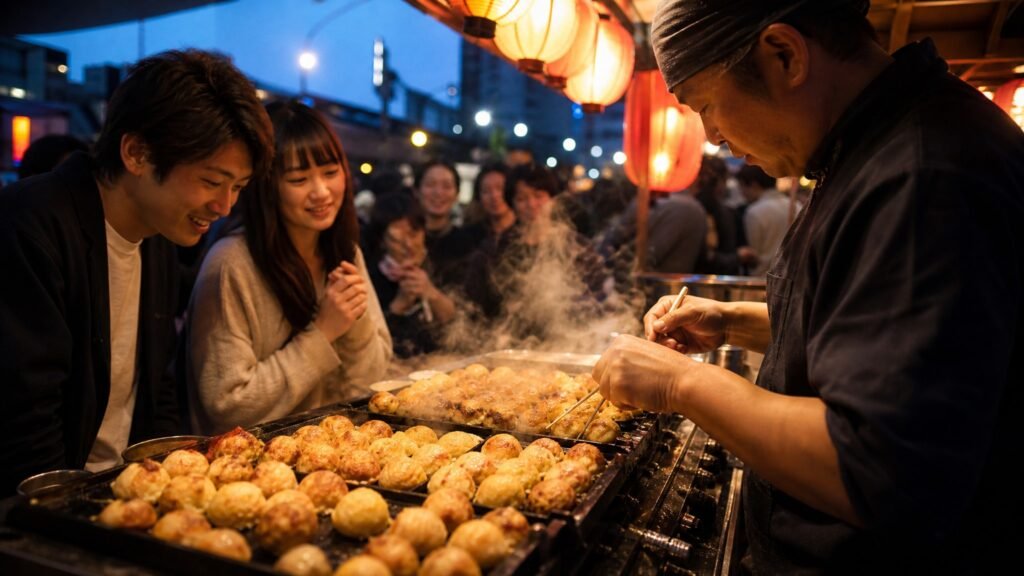
The streets around Fushimi Inari Station hide restaurants generations old, serving dishes built to replenish energy after a mountain climb. Udon noodles in a savory broth, grilled mochi wrapped in nori, seasonal vegetable tempura: these show up on menus throughout the neighborhood, far from the tourist-oriented places near the big transit hubs. We often recommend booking a private food tour in Kyoto right after the hike, while the appreciation for a good meal is at its peak.
These eateries know exactly the kind of hunger that comes from a long stair climb.
Connecting Nature and Cuisine in Kyoto
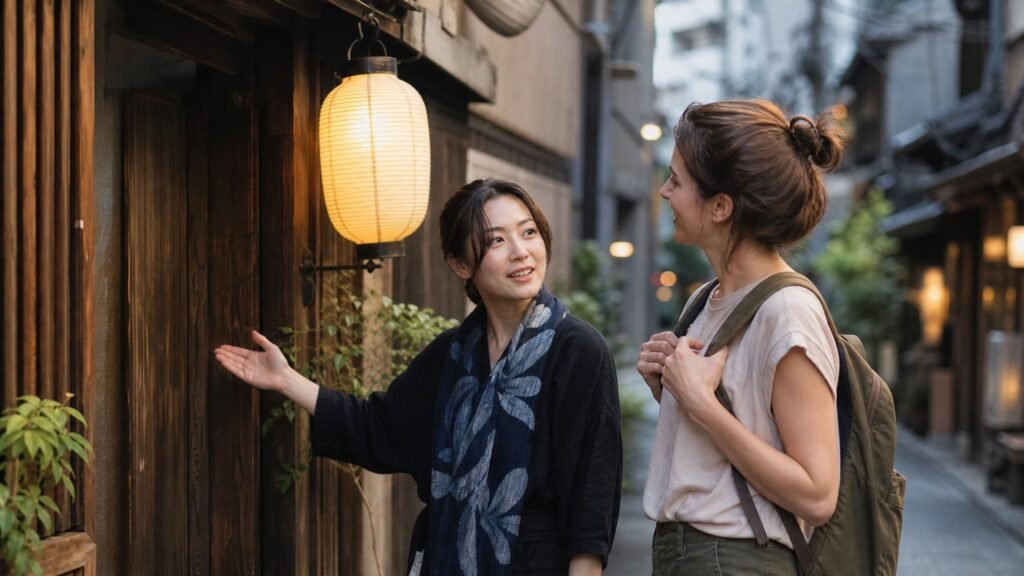
Kyoto’s identity comes from the relationship between its mountains and its kitchens, and experiencing both together reveals patterns you’d miss treating them separately. A Kyoto matcha experience is a meditative counterpoint to the climb, slowing you down and focusing your attention on a preparation ritual that mirrors the intentionality of shrine architecture. An evening in a historic district like Gion extends the day’s story, and our Gion geisha district guide helps you make sense of what you see in those lantern-lit streets after coming down from Mount Inari’s forests.
Layer these experiences together and the memory is richer than any single stop could give you.
Booking Your Private Kyoto Hiking Experience With Us
Every traveler shows up with different priorities, fitness levels, and cultural interests, which is exactly why a rigid group itinerary fails so many people looking for a real connection. Our private Kyoto hiking experience adapts to what you actually need: longer rest breaks for families with young kids, photography-focused pauses for enthusiasts, or the full Fushimi Inari route combined with nearby temples and gardens.
We don’t do cookie-cutter tours with a rehearsed script. We draw on local relationships and years of accumulated knowledge to build something that feels relevant to your trip. Some guests want deep historical context, others want atmosphere and a good photo, and both get equal attention from guides who genuinely love this mountain. A Fushimi Inari day trip fits neatly into a broader Kyoto itinerary, and we’re happy to help you connect it to other destinations without losing depth anywhere along the way.
Reach out to talk through what you have in mind, and let us help design a hike that matches your curiosity, and this extraordinary sacred site.