Walking through Kyoto in silk is a privilege, not just a photo opportunity. When you choose a kimono rental and photo tour kyoto experience with us, you’re stepping into a living tradition rather than wearing a costume for social media. We believe the garment deserves context, and that context comes from people who live here, know the rhythms of the city, and know how to move through its historic streets with real respect.
Most rental shops hand you fabric and point you toward crowded landmarks without explaining what you’re wearing or why it matters. We do it differently. We build dressing around local storytelling and etiquette guidance, so your outfit becomes a bridge between cultures instead of a prop. You deserve more than a transaction when you’re engaging with centuries of Japanese textile heritage.
Why a Guided Kimono Experience Beats Standard Rental
A standalone gion kimono rental gets you dressed. Only a guided experience helps you understand the weight of what you’re wearing while you move through a living neighborhood respectfully. Without that foundation, even beautiful photographs can feel hollow, or land as disrespectful to the people hosting you.
Cultural Context Over Costume Play
We believe wearing kimono should be an act of cultural participation, not performance. Our guides make sure every guest understands the significance of the garments and the gestures before stepping onto historic streets. This matters because Kyoto residents notice right away whether visitors treat traditional dress as meaningful or as mere entertainment. Your guide explains the symbolism behind seasonal motifs, which obi tying styles suit which occasions, and the subtle body language that signals respect rather than appropriation.
That knowledge changes how you carry yourself for the rest of the day.
Navigating Gion and Higashiyama Respectfully
Historic districts like Gion are residential neighborhoods first and tourist destinations second. That means your presence carries responsibilities beyond getting a good shot. Our guides have led cultural experiences across Kyoto for over 12 years, building relationships with local artisans and residents that grant access to spaces typically closed to standard rental customers. Those relationships let us move through sensitive areas without disrupting daily life or crossing boundaries that guidebooks rarely mention.
You’ll learn where photography is welcome, when to lower your voice, and how to acknowledge locals without intruding on their privacy.
What Makes Our Kyoto Kimono Photoshoot Tour Unique
Standard tours follow predictable routes built for volume. Our kyoto kimono photoshoot tour is built around real interaction and the stories behind a place rather than checking off famous backdrops. We shape each outing around your interests and that day’s conditions instead of forcing you into a template.
Local Guides Who Know Hidden Photo Spots
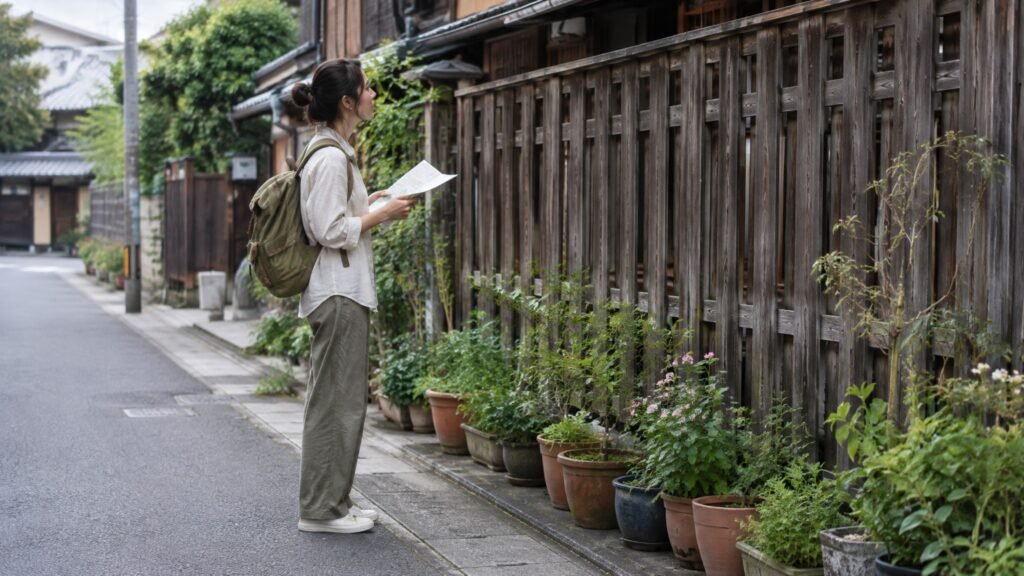
Guests on our tours often photograph in quiet Higashiyama side streets where elderly residents still live, rather than the congested main roads dominated by selfie sticks and commercial backdrops. These spots offer real architectural detail, light filtering through traditional latticework, and compositions that tell a story instead of just documenting your presence. Our team customizes each kimono walking tour kyoto itinerary around guest interests, mobility, and the season, and we never follow a fixed route built for mass tourism.
You get photographs that look discovered rather than staged.
Storytelling Woven Into Every Stop
Every temple gate, wooden machiya facade, and stone-paved lane holds layers of meaning that stay invisible without someone to translate them. Your guide shares the histories of merchant families, points out architectural details, and brings their own connection to a neighborhood so each location means something beyond how it looks. That narrative layer turns your kimono experience kyoto into a journey through time and place, not a series of poses.
The stories end up as memorable as the images.
Flexible Pacing for Authentic Moments
Rigid schedules force rushed interactions and missed opportunities. So we build real flexibility into every kimono walking tour kyoto, to leave room for spontaneous discoveries and genuine engagement. If morning light catches a particular alley just right, or a local artisan opens their workshop unexpectedly, we adjust instead of sticking to an arbitrary timeline. That lets you inhabit a moment fully instead of watching the clock.
Authenticity needs room to breathe.
Best Locations for Kimono Photography in Kyoto
Kyoto has countless photogenic settings, but the best ones balance beauty with cultural integrity and a manageable crowd. We choose locations based on the day’s conditions and your preferences, not by defaulting to the same overcrowded landmarks everyone else uses.
Historic Streets of Higashiyama
Higashiyama keeps its Edo-period architecture and atmosphere, which suits traditional dress far better than fighting through shoulder-to-shoulder crowds does. The side streets branching off Ninenzaka and Sannenzaka have an intimate scale, weathered wood, and glimpses of private gardens that give a photograph real depth. These lanes also connect to lesser-known temples and tea houses where you can pause for real, instead of posing for a camera.
Morning visits catch the soft light before the tour buses arrive.
Atmospheric Alleys of Gion
Gion’s narrow passages carry the world of geiko and maiko, but exploring them respectfully means knowing which areas welcome visitors and which stay strictly private. We guide you through the zones where traditional okiya houses and exclusive restaurants sit alongside public spaces suitable for photography. That careful navigation keeps you from accidentally trespassing while still giving you the atmosphere you came for.
Your guide knows when professional entertainers may pass through public areas, and the rule is always to observe, never to intrude.
Seasonal Backdrops Beyond the Crowds
Cherry blossoms and autumn foliage draw huge crowds to the famous spots, but just as much seasonal beauty sits in quieter corners that mostly residents know about. Spring brings weeping cherries to neighborhood temple grounds, autumn paints moss gardens in amber, and winter dusts tiled rooftops with snow that sits beautifully against dark silk. We shift routes with the season to catch this kind of beauty without putting you through the crush at the marquee attractions.
Timing matters as much as location when you’re after seasonal magic without the crowds.
How to Wear Kimono in Kyoto With Confidence
Wearing kimono means physical adjustments and cultural considerations that differ a lot from Western clothing, so a little preparation saves you discomfort and uncertainty. Our wear kimono kyoto guide experience covers the practical side along with the aesthetic one.
Dressing Process and Comfort Tips
Professional dressing takes about forty-five minutes. It involves multiple layers secured with ties rather than zippers or buttons, which restricts movement differently than modern clothing does. Your guide helps you pick underlayers suited to the weather, adjusts the fit to balance security with comfort, and sizes your tabi socks and zori sandals correctly for a day of walking. Tell your guide about any physical limitations during the fitting, so they can make adjustments before you leave the dressing room.
Comfort brings confidence, and confidence shows up in every photograph.
Walking and Posing Naturally
Kimono calls for shorter strides, upright posture, and arm positions that feel unfamiliar at first but become natural with a little coaching. Your guide shows you how to move gracefully, suggests hand placements that suit the sleeve length, and points out angles that flatter you and the garment both. Walk slowly and deliberately rather than rushing, and let the weight and flow of the fabric set your rhythm.
Natural poses come from understanding how the garment wants to move.
Planning Your Kimono Walking Tour Kyoto
A good kimono experience comes down to timing and knowing exactly what’s included versus what you bring yourself. A little planning ahead makes the day go smoothly.
Ideal Timing and Duration
Starting around 9:00 AM beats both the crowds and the harsh midday light, and gives you three to four hours of good conditions before afternoon fatigue sets in. That’s enough time for unhurried dressing, moving between locations, photography, and a short rest, without feeling rushed. Evening options exist if you want a lantern-lit atmosphere, though fewer shops offer late returns, and some historic areas dim their lights early out of respect for residents.
Book well ahead during peak seasons like spring cherry blossom and autumn foliage.
What to Bring and What We Provide
We supply the full kimono ensemble: undergarments, obi sash, tabi socks, zori sandals, hair accessories, and a small bag for your personal items during the tour. Bring as little as possible, since storage space is limited, along with comfortable base layers for the weather and any hair styling preferences you want to mention in advance. Makeup touch-ups and sunscreen are on you, though your guide carries emergency pins and safety items.
Ask about exactly what’s included when you book, so there are no surprises on the day.
Gion Kimono Rental vs. Full Guided Experience
Choosing between a standalone gion kimono rental and a full guided experience comes down to whether you value convenience or depth. Rental shops are good for affordable access to traditional garments if you’re comfortable navigating the cultural complexities on your own. Guided tours cost more, but they give you etiquette, hidden locations, historical context, and respectful community engagement that no amount of pre-trip research replicates.
This isn’t for travelers who want a quick costume change for Instagram without any cultural engagement, or who won’t follow guide instructions on photography restrictions and behavior in residential areas. If substance matters more to you than spectacle, the guided model gives you something the garment alone can’t.
Booking Your Authentic Kimono Experience in 2027
More travelers are recognizing the difference between consuming a destination and actually participating in it. When you’re weighing providers for your kimono experience kyoto, look for a company with real, long-term local relationships, clear communication about what the tour includes, and an actual commitment to respectful practice, not just the lowest price or the biggest wardrobe. Ask directly about guide experience, group sizes, and how they handle interactions with residents before you book.
We would love to welcome you into this tradition with the care and knowledge it deserves. Join us for a kimono rental and photo tour kyoto experience that honors both your curiosity and Kyoto’s living culture. Book your date, and let us show you the city through eyes that know it well.
Frequently Asked Questions
How many days in Kyoto is enough?
Three to four days allows meaningful exploration of major districts like Gion and Higashiyama plus dedicated time for immersive experiences like a guided kimono tour without rushing. Two days covers highlights superficially, while five or more enables deeper neighborhood immersion and seasonal activities beyond central tourist zones.
How much does a real Japanese kimono cost?
Authentic new silk kimono range from ¥200,000 to over ¥1,000,000 depending on formality, craftsmanship, and materials, while quality vintage pieces start around ¥30,000–¥80,000. Rental services provide access to traditional garments without purchase commitment, making them practical for travelers wanting authentic dress without investment.
Is photography okay in Japan?
Photography is generally permitted in public spaces, but Gion and other historic districts enforce strict rules prohibiting photos of geiko, maiko, and private residences without permission. Always ask before photographing individuals, respect posted signs, and follow your guide’s instructions about restricted areas to avoid fines or confrontations.
How long does it take to rent a kimono?
Complete dressing with professional assistance typically requires 45–60 minutes including garment selection, fitting, obi tying, and final adjustments. Allow additional time if you want hairstyle services or have specific fit concerns, and arrive promptly to preserve your scheduled tour departure window.