If you’ve ever sat down to a Japanese meal and felt like something deeper was happening, beyond the flavors, beyond the presentation, you were probably having a washoku experience without knowing it. Washoku is Japan’s traditional culinary culture, and it’s one of the most thoughtful, seasonally aware ways of eating anywhere. Whether you’re planning your first trip or your fifth, understanding washoku before you arrive changes everything about how you eat here.
What Is Washoku? The Philosophy Behind Traditional Japanese Cuisine
Washoku Japan Definition: More Than Just Food
The word washoku (和食) combines wa (Japan, harmony) and shoku (food, eating). But the definition goes well beyond what’s on the plate. It’s a living culinary philosophy built on harmony, with nature, with the seasons, and with the people sharing the meal.
In 2013, UNESCO inscribed washoku as an Intangible Cultural Heritage of Humanity, recognizing it not just as a cuisine but as a social practice and cultural identity tied to the Japanese relationship with nature. That framing matters. Washoku isn’t a restaurant style or a set of recipes, it’s a way of relating to the world through food.
The Five Principles That Shape Every Washoku Meal
Traditional Japanese cuisine is organized around a framework of fives: five colors, five tastes, and five cooking methods. Together, these create the balance and completeness that defines a proper washoku meal.
- Five colors: red, white, green, black/purple, and yellow, representing visual harmony and nutritional range
- Five tastes: sweet, sour, salty, bitter, and umami, all present across a well-composed meal
- Five cooking methods: raw, simmered, grilled, steamed, and fried, ensuring textural variety
This isn’t rigid formula. It’s a lens for building meals that feel whole. Once you understand it, you’ll start seeing it everywhere, from a humble home-cooked dinner to an elaborate kaiseki spread in Kyoto.
Seasonal Japanese Food Culture: How the Calendar Shapes What You Eat
Eating by Season: Spring Through Winter
Seasonality is the heartbeat of washoku. Ingredients aren’t just chosen for flavor, they mark time, place, and gratitude for what the land is offering right now. Here’s how the calendar shapes the menu:
Spring brings bamboo shoots (takenoko), fresh mountain vegetables (sansai), and the fleeting beauty of cherry blossom-flavored sweets. If you’re visiting during spring cherry blossom season, you’ll see washoku’s seasonal philosophy in full bloom, restaurants change menus overnight to match what’s fresh.
Summer centers on ayu (sweetfish), cold somen noodles, edamame, and chilled tofu dishes designed to cool the body. Summer washoku is about lightness and relief from the heat.
Autumn is arguably the richest season for ingredients. Matsutake mushrooms, chestnuts (kuri), Pacific saury (sanma), and kabocha squash dominate menus. Matsutake season is so culturally significant that a single premium mushroom can cost more than an entire restaurant meal elsewhere, a vivid illustration of how deeply seasonality is woven into washoku values.
Winter calls for warming root vegetables, earthy miso-based hot pots (nabe), and slow-simmered oden. The season’s food is about restoration and togetherness.
Why Timing Your Japan Trip Around Food Matters
Most travelers plan trips around cherry blossoms or autumn foliage. Food travelers know that the calendar determines not just the scenery but the entire taste of Japan. Visiting in October means matsutake and chestnuts. Visiting in June means early summer seafood and cooling preparations. Timing your trip with washoku in mind turns every meal into something seasonal and unrepeatable.
Regional Variations: Washoku Across Japan
Washoku isn’t monolithic. Japan’s geography, mountain ranges, coastlines, and shifting climate zones, means traditional Japanese cuisine looks and tastes meaningfully different depending on where you eat it.
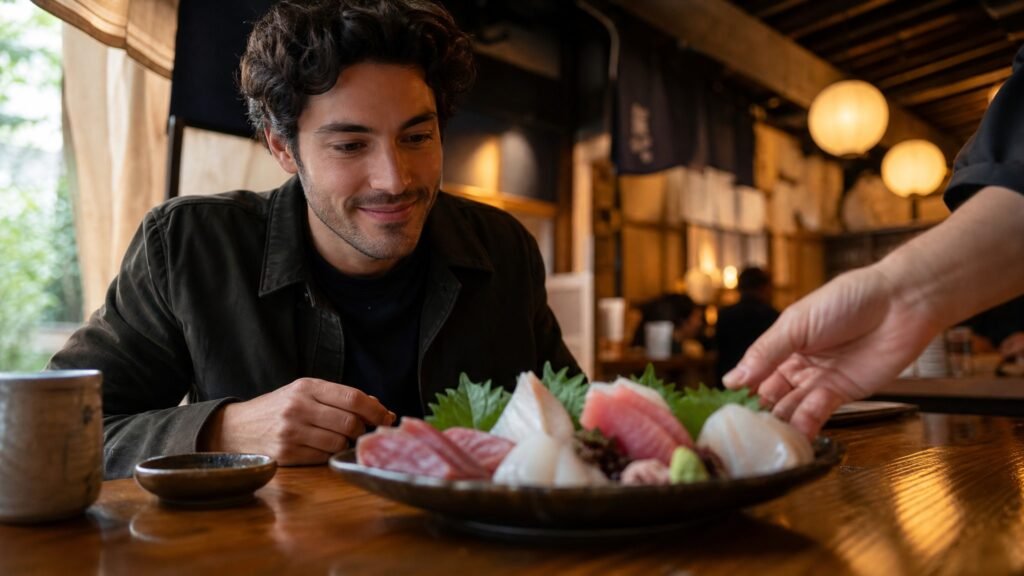
Kyoto is the spiritual home of refined washoku. Its kaiseki tradition, an elaborate multi-course format that evolved from tea ceremony culture, is the most technically demanding expression of washoku principles. Kyoto’s inland location historically meant fresh seafood was scarce, so chefs developed extraordinary skill with vegetables, tofu, and pickled ingredients. The result is restrained, precise, and deeply seasonal.
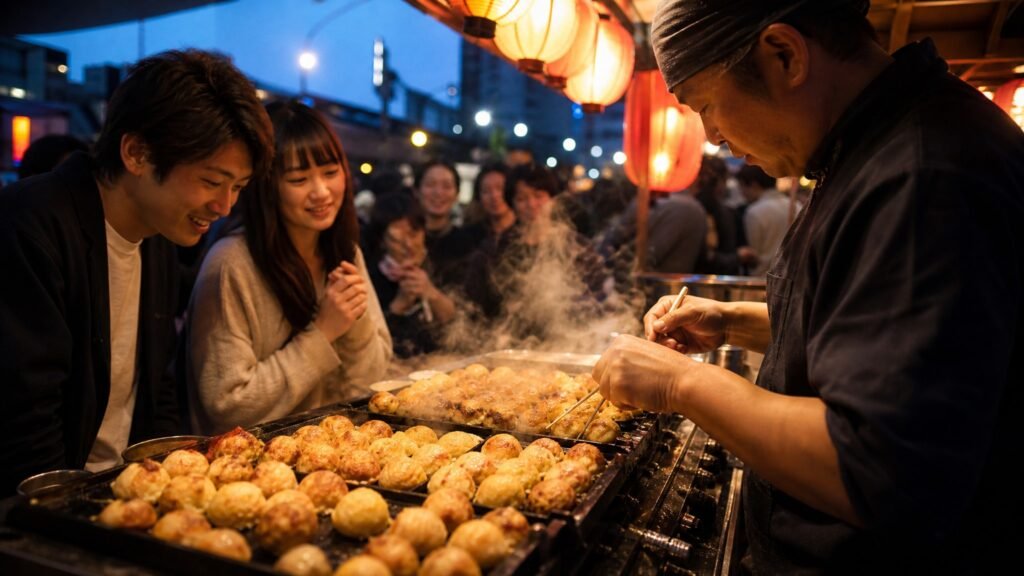
Osaka, by contrast, built its culinary identity on bold flavors and generous portions. Osaka’s street food scene, takoyaki, okonomiyaki, kushikatsu, reflects a city that has always loved eating for pleasure as much as for principle. Washoku lives here too, but it’s earthier and louder.
Tokyo blends its Edo-period seafood heritage (the city sits on Tokyo Bay) with relentless modern innovation. Sushi, tempura, and soba all developed distinct Tokyo styles here, and the city’s scale means you can find washoku ranging from century-old soba shops in Asakusa to cutting-edge kaiseki in Ginza.
Further afield, Tohoku in the northeast offers mountain-heavy cuisine shaped by harsh winters, fermented foods, preserved fish, and wild vegetables are staples. Kyushu in the southwest brings pork-rich broths, sweet soy sauces, and vibrant local vegetables shaped by its warmer, subtropical climate.
How to Taste Washoku Properly: A Practical Eating Guide
The Ritual of a Washoku Meal
Understanding washoku before you sit down is genuinely transformative. Here’s what to pay attention to:
Start with the structure. The foundational template of a washoku meal is ichiju sansai, one soup, three sides, plus rice. This structure appears in everything from a home-cooked weeknight dinner to a kaiseki spread with a dozen courses. Even at a neighborhood shokudo (a casual lunch counter), recognizing the ichiju sansai pattern helps you read the meal.
Respect the order. In a formal kaiseki setting, courses arrive in a deliberate sequence, from lighter to richer, from raw to cooked. Follow the chef’s lead. Don’t rush to the rice; it arrives at the end of a kaiseki for a reason.
Pay attention to dashi. Dashi, the foundational broth made from kombu seaweed and katsuobushi (dried bonito flakes), is the soul of washoku. It’s subtle, umami-rich, and invisible in the sense that you often don’t see it as a standalone dish. But it’s in the soup, the simmered vegetables, the sauce. Training your palate to notice dashi is the single most important skill for tasting washoku properly.
Good Japanese food etiquette, how to hold chopsticks, when to pour for others, how to receive dishes, adds another layer of respect to the experience and makes the meal feel like participation rather than consumption.
Vegetarian and Plant-Based Washoku
Washoku is far more plant-forward than many visitors expect. And if you’re vegetarian or vegan, Japan has one of the world’s great plant-based culinary traditions waiting for you: shojin ryori.
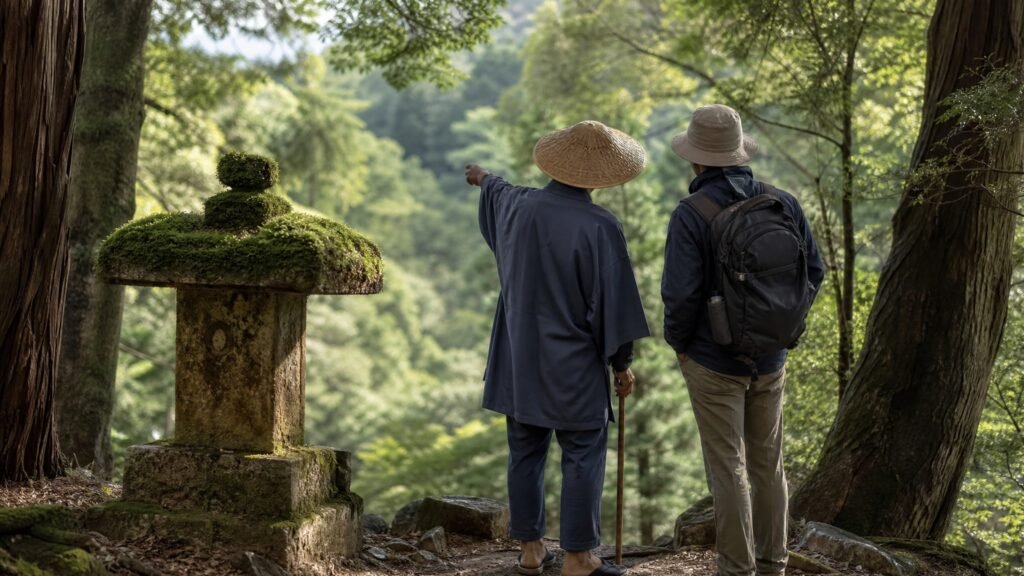
Shojin ryori is the plant-based temple cuisine developed by Zen Buddhist monks over centuries. It uses no meat, fish, or pungent vegetables (like onion or garlic), relying instead on seasonal vegetables, tofu, sesame, and fermented ingredients to create deeply satisfying meals. It’s one of the oldest surviving expressions of washoku, and Kyoto’s temple districts, particularly around Arashiyama and Higashiyama, remain the best place in Japan to experience it authentically.
For a curated list of where to eat, our guide to vegetarian restaurants in Kyoto covers the best shojin ryori spots and plant-friendly washoku dining in the city.
Where to Find an Authentic Washoku Japanese Cuisine Experience
Tokyo, Kyoto, and Osaka: Best Settings for Washoku
The good news: you don’t need to spend a fortune to eat authentic washoku. You just need to know where to look.
Ryokan breakfasts are one of the most accessible and memorable washoku experiences available. A traditional inn breakfast, grilled fish, miso soup, pickles, rice, rolled egg, and simmered vegetables, is ichiju sansai in perfect form, served to you in a tatami room. It’s the ideal washoku introduction.
Shokudo lunch counters are Japan’s no-fuss neighborhood eateries. Set lunch menus (teishoku) follow the ichiju sansai structure at a fraction of the cost of kaiseki. These are where locals actually eat every day, unpretentious, seasonal, and honest.
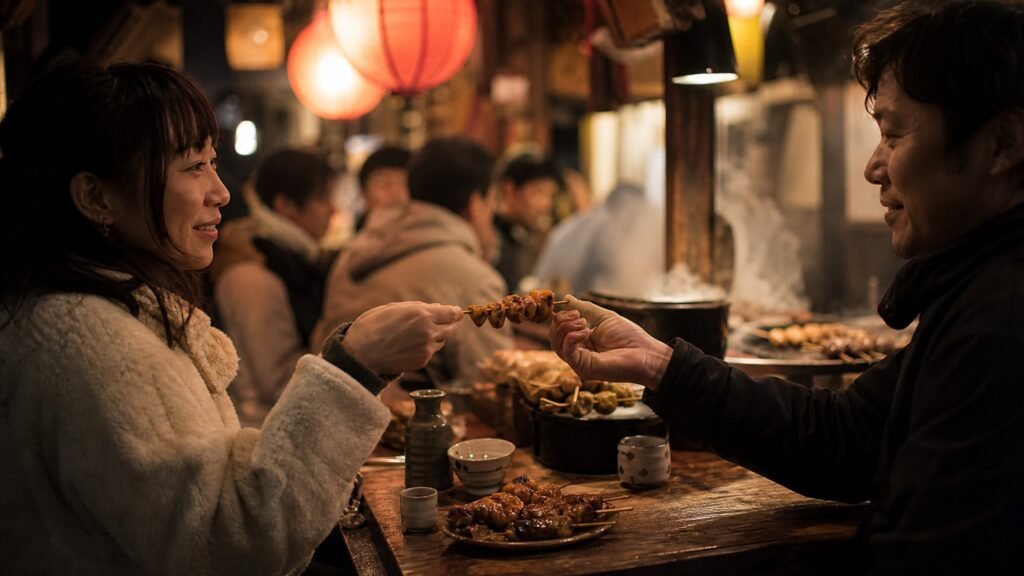
Neighborhood izakayas offer washoku in its most social form, small plates of seasonal food, grilled skewers, and regional sake or shochu, all designed to be shared. Look for izakayas with handwritten daily specials; that’s where the seasonal ingredients show up.
Kaiseki restaurants in Kyoto are where washoku reaches its highest expression. If your budget allows one special meal, this is it. Book well in advance, especially for autumn. Consider a private guided day in Kyoto to build an itinerary that includes both temple visits and kaiseki dining.
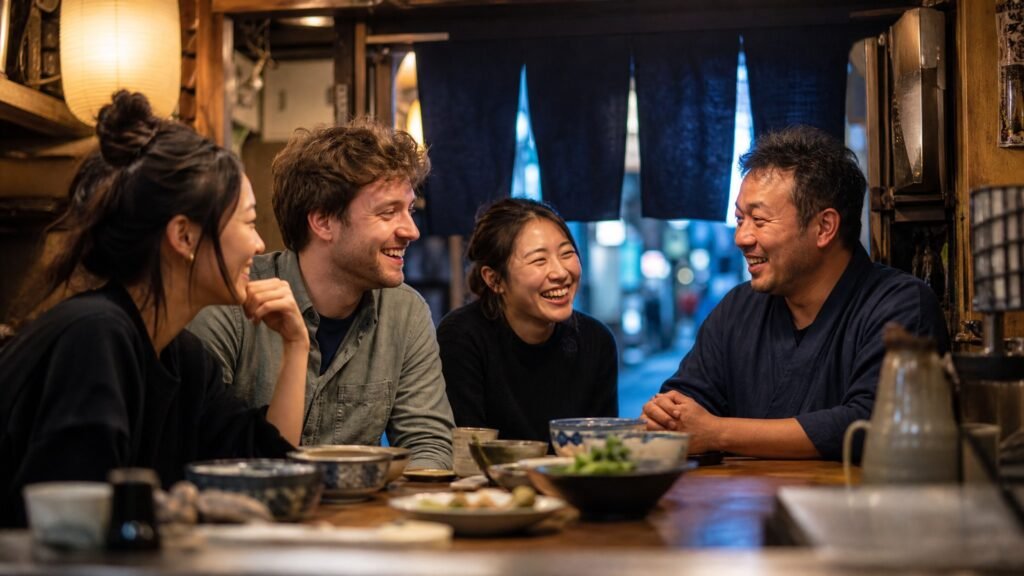
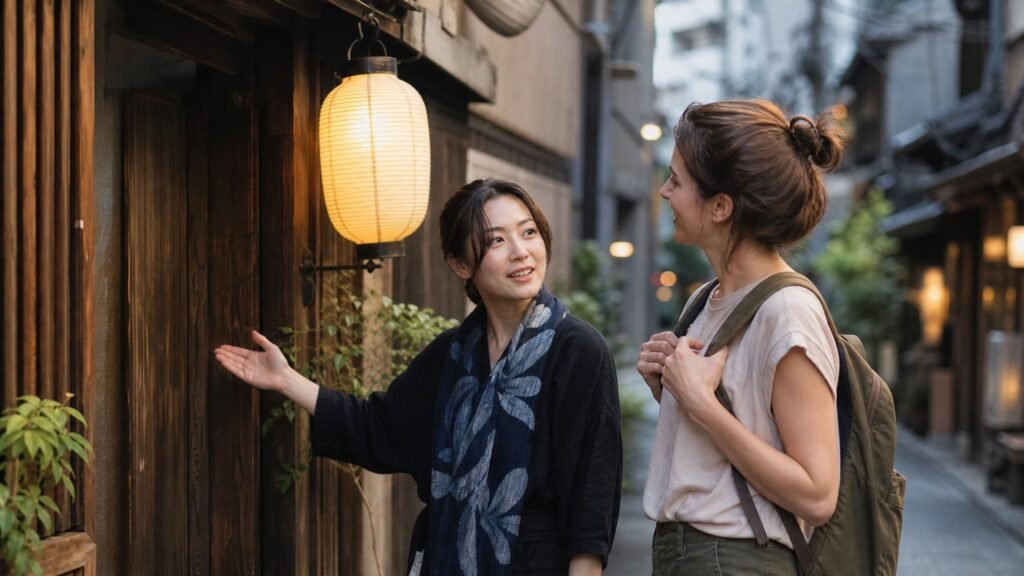
Food tours are the clearest path to authentic washoku. A knowledgeable local guide takes you to the right stalls, explains what you’re eating and why, and bridges the cultural context that turns a good meal into a genuine washoku experience. Our best food tours in Tokyo with local guides are built for exactly this, walking through neighborhoods, eating seasonally, and understanding washoku as a lived practice rather than a tourist attraction.
Join Us: Experience Washoku With Local Guides
We’ve spent 12+ years helping visitors taste Japan the right way, and we’re still as passionate about it as ever. Our customizable food tours in Tokyo, Kyoto, and Osaka are built around washoku principles: seasonal ingredients, local producers, and guides who genuinely love what they’re sharing. Whether you want a deep kaiseki evening in Kyoto, a morning market walk in Tokyo, or an izakaya crawl in Osaka, we’ll shape the experience around you. If you’re ready to eat Japan the right way, we’d love to help you plan it. Get in touch or browse our food tour options, your best meal in Japan is waiting.