Senso-ji gets all the postcards, but Tokyo holds hundreds of smaller temples and shrines that most visitors never see. Some sit tucked behind cafes in old neighborhoods. Others host quiet ceremonies that only locals know about. A Tokyo temple tour with a local guide opens the door to that hidden layer. It connects the dots between history, ritual, and everyday neighborhood life in a way no solo wander or map app can.
Why a Tokyo Temple Tour with a Local Guide Beats Going Solo
Anyone can walk into Senso-ji and snap a photo of the giant lantern. Fewer people understand why that lantern is there, or which side street nearby hides a shrine locals actually visit on their way to work. That gap is where a guide earns their keep.
Many first-time visitors spend under 20 minutes at Senso-ji before moving on. They miss the surrounding Asakusa backstreets and the smaller shrines a local guide would naturally weave into the walk. A guided route slows things down and fills in what a quick stop leaves out.
Local Guide Temple Tour Benefits You Won’t Get from a Map App
A map app can tell you where a temple is. It can’t tell you that the incense-burning ritual out front follows a specific order, or that the shrine down the alley means more to neighborhood grandmothers than the famous one two blocks away.
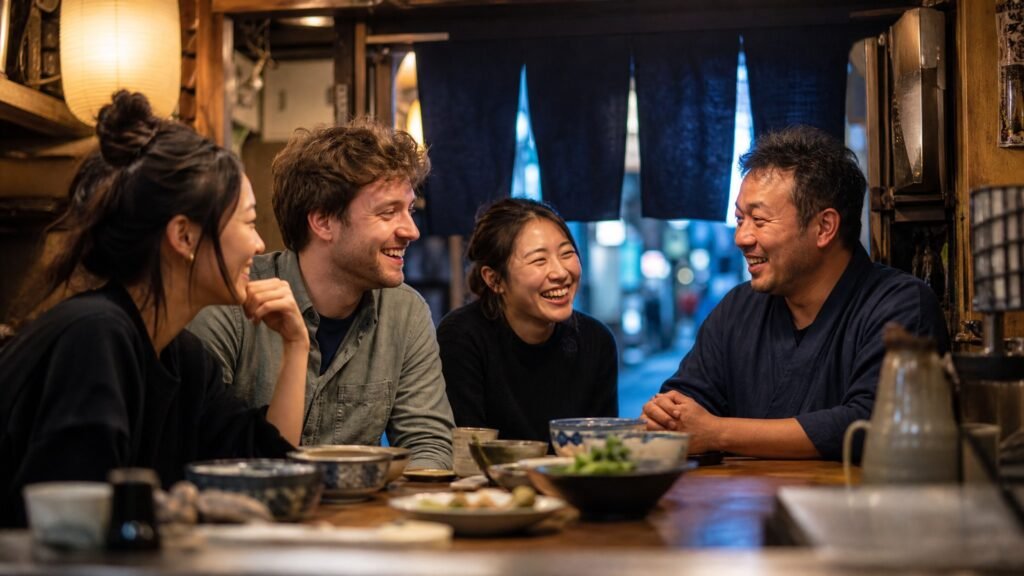
Our guides grew up visiting neighborhood shrines with their families. They know which local tsukimi, or moon-viewing festival, or obscure Inari shrine is worth a detour, the kind no guidebook mentions. That knowledge doesn’t come from a screen. It comes from having grown up praying at these same gates.
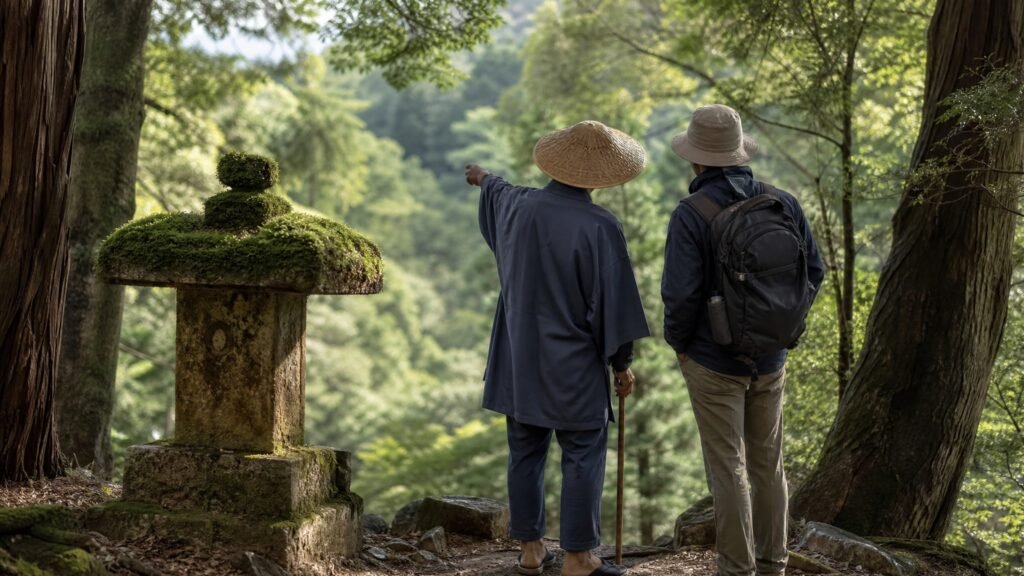
Guides also read timing. They know when a temple courtyard empties out after a tour bus leaves, or when a monk might be free for a few quiet words. Solo visitors rarely stumble into those windows on their own.
Tokyo Spiritual Experiences with Guide vs. Self-Guided Visits
Self-guided visits tend to follow the same three or four famous stops. That’s what search results and travel apps surface first. A guided experience can move differently, putting meaning ahead of checklist efficiency.
That might mean spending twenty extra minutes at a modest neighborhood shrine, because it’s the one where the guide’s own family has prayed for generations, rather than rushing to the next big name on a list. It’s a different pace. For many travelers, it’s the difference between seeing temples and actually experiencing them.
Best Temples to Visit in Tokyo Beyond Senso-ji
Tokyo’s temples stretch far beyond Asakusa. If you’ve already covered the basics with our full Senso-ji day trip guide, the next step is exploring the neighborhoods where locals actually go to pray, reflect, or just enjoy some quiet.
Off the Beaten Path Temples Tokyo Locals Actually Visit
Yanaka is the clearest example. This neighborhood survived the bombing of World War II, so it still holds Edo-era graveyards and quiet wooden temples tucked between cafes and pottery shops. Walking through Yanaka feels less like sightseeing and more like stepping into a slower version of Tokyo, one that mostly stopped existing elsewhere in the city.
Gotokuji, in the city’s southwest, is another local favorite. It’s known for rows of small beckoning-cat statues left by visitors hoping for good fortune. On an average afternoon, it draws far more residents than tourists.
Ancient Temples Near Tokyo City Center Worth the Detour
Zojoji, near Tokyo Tower, is one of the city’s oldest and most significant Buddhist temples, with a history tied closely to the Tokugawa shoguns. Its grounds offer a striking contrast: centuries-old gates framed against one of Tokyo’s most modern skylines.
Nezu Shrine, a short walk from Yanaka, is famous for its tunnel of torii gates and its April azalea festival. Even so, it rarely appears on first-time visitor itineraries dominated by Senso-ji and Meiji Jingu. That relative quiet is exactly what makes it worth the detour.
Tokyo Shrine Walking Tour: How a Guided Route Connects the Dots
A good Tokyo shrine walking tour isn’t a random string of stops. It’s a sequence, built around how neighborhoods actually connect on foot and how the mood shifts from one district to the next.
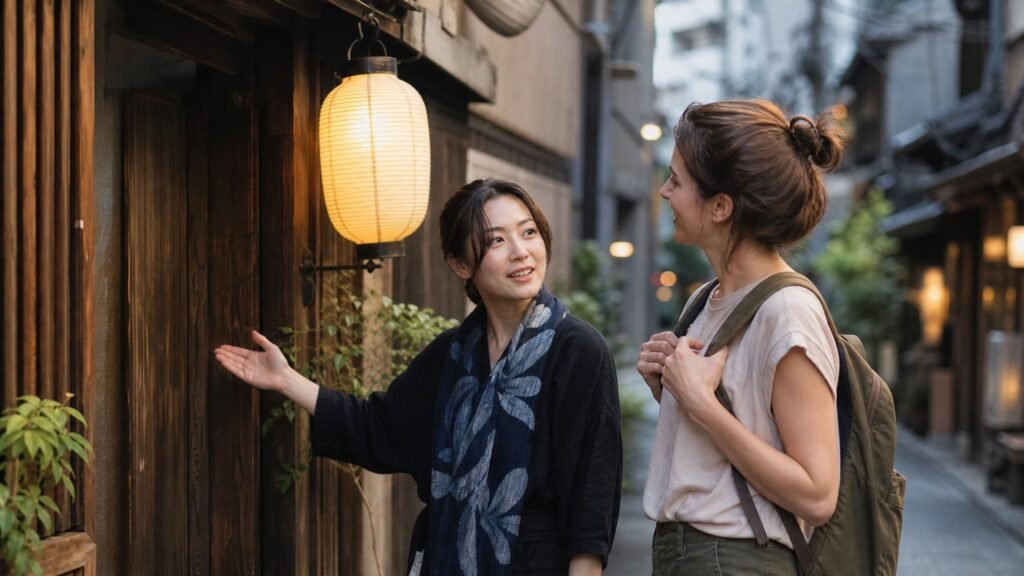
A guide might start in the bustle of Asakusa, then ease into the calmer lanes of Yanaka, where temple bells replace traffic noise. Each stop builds on the last, so the walk tells a story instead of feeling like a checklist.
Sample Half-Day Walking Flow Between Shrines and Temples
A typical half-day flow might begin at Senso-ji’s outer approach, weaving through nearby backstreet shrines before heading toward Yanaka’s temple cluster. From there, the route often continues to Nezu Shrine for its torii tunnel, with time built in for tea or a snack in one of the neighborhood’s small local shops.
The exact stops shift depending on the season, the day’s events, and what the guide notices along the way, like a small festival setting up or a temple gate that’s usually locked standing open. That flexibility is part of what makes a guided walk feel alive rather than scripted.
Temple Etiquette in Japan for First-Timers
Temple etiquette in Japan isn’t complicated, but it is specific. A little guidance goes a long way toward helping you show respect without feeling awkward or unsure.
Common Mistakes First-Time Visitors Make at Temples and Shrines
Guides who’ve spent years leading temple walks say etiquette missteps are the most common first-timer mistake. Taking photos during someone’s prayer is one. Walking through the center of a torii gate, which tradition reserves for the deity rather than visitors, is another.
Other frequent slip-ups include skipping the purification basin near the entrance, or talking loudly in spaces meant for quiet reflection. None of these are meant to embarrass anyone. They’re simply easy to miss without someone pointing them out in the moment.
Simple Etiquette Rules a Local Guide Will Walk You Through
The basics are easy to learn once someone shows you. Rinse your hands at the purification basin before approaching. Bow slightly before and after passing through a gate. Toss a coin, bow twice, clap twice, and bow once more at a Shinto shrine, or simply bow with hands together at a Buddhist temple.
A guide will walk you through these steps naturally, correcting small mistakes on the spot rather than letting you find out later that you did something wrong. That gentle, real-time coaching is often what makes first-timers feel comfortable instead of self-conscious. If you’re also planning a stay at a traditional inn, the etiquette guide for ryokan and onsen stays covers similar ground for that setting.
Seasonal Temple Traditions and Festivals Worth Timing Your Visit Around
Temples in Tokyo change character with the seasons. Timing a visit around a festival adds a layer an ordinary weekday stop doesn’t offer.
Hatsumode, the first shrine visit of the new year, draws enormous crowds in early January, as people line up to make their first prayers of the year. Spring brings blossom festivals at temple grounds, where cherry trees frame old wooden halls in pink for a couple of weeks each April. Autumn shifts the mood again, with temple gardens turning shades of red and gold that pair beautifully with quieter, contemplative walks.
Seasonal spirituality isn’t limited to spring and winter, either. Summer brings its own rhythm of neighborhood festivals, and Tokyo’s summer matsuri traditions often center on local shrines as their spiritual and logistical anchor. For travelers who like to plan around these calendar moments, our complete seasonal festival planning guide breaks down what to expect throughout the year.
Meditation and Temple Stay Experiences as a Deeper Day Trip Option
For travelers who want to go beyond sightseeing, a meditation or temple stay day trip in Tokyo offers a deeper way into the experience. Rather than walking past a temple’s meditation hall, you actually sit in it.
What a Guided Meditation or Temple Stay Day Trip Involves
A guided zazen session usually starts with a brief introduction to posture and breathing, led by a monk or trained instructor. Sessions typically run short, often around 20 to 30 minutes, and don’t require any prior meditation experience.
Some day trips extend this into a fuller temple stay, including a simple shojin ryori vegetarian meal and time to explore the temple grounds without rushing. It’s a meaningful add-on for travelers who found the walking portion of a tour moving and want more stillness before heading back into the city. Some travelers even like to pair the reflective pace of a temple morning with a livelier afternoon, such as pairing a temple walk with a Tokyo food tour itinerary for a fuller day out.
If this kind of immersive, guide-led experience sounds like the way you want to see Tokyo’s temples, we at Washoku Club City put together small-group and private tours built around exactly this. You’ll walk routes shaped by people who grew up in these neighborhoods, learn etiquette in real time instead of from a pamphlet, and get access to shrines and monk conversations that simply aren’t on a solo itinerary. Booking a guided temple tour is the easiest way to turn a quick photo stop into a morning you’ll actually remember. For travelers extending their trip beyond Tokyo, a similar sense of place-based storytelling awaits at Kyoto’s Gion district day trip, or among autumn temple garden tours in Kyoto if you’re visiting in the fall.