If you only have one morning to fall in love with Tokyo, spend it in Asakusa. The neighborhood’s beating heart is Senso-ji, a temple so old and so loved that it still shapes how the whole district wakes up, eats, shops, and prays. This Senso-ji Temple Tokyo day trip guide is built for exactly that: a friend’s rundown of when to go, what to do, and how to skip the parts that make first-time visitors sigh at a wall of tour groups instead of a wall of incense smoke.
We’ll cover timing, rituals, food, photos, and a full walking loop through the district. By the end, you’ll know how to turn a quick photo stop into a real Asakusa Senso-ji Temple Tokyo experience.
Why Senso-ji Belongs at the Top of Your Tokyo Day Trip
Senso-ji is Tokyo’s oldest temple. Two fishermen founded it in the year 645, after pulling a small golden statue of Kannon, the goddess of mercy, from the Sumida River. Centuries later, that story still anchors the spiritual identity of the whole neighborhood. Asakusa grew up around the temple. Its shops, festivals, and even its street layout still point back to the main hall.
That long history is why Senso-ji deserves more than a rushed selfie under the giant lantern. It’s a living place of worship, a shopping street, a food crawl, and a photography playground rolled into one compact area. You can genuinely experience all of it in half a day if you time things right.
What Makes Senso-ji Tokyo’s Most Iconic Temple
Part of it is the scale. The Kaminarimon, or “Thunder Gate,” and its enormous red lantern are instantly recognizable. The approach through Nakamise-dori leads straight to a five-story pagoda and a grand main hall.
But the bigger reason is how alive it still feels. Locals stop by to pray before work. Grandparents bring grandchildren to draw fortunes. Vendors still sell the same style of rice crackers and sweets their families have sold for generations. Senso-ji isn’t a museum piece. It’s still doing exactly what it was built to do, and that’s part of what makes visiting it feel special rather than staged.
Senso-ji Temple Visiting Hours and How to Beat the Crowds
Here’s the practical part everyone actually needs. The temple grounds and Kaminarimon gate are outdoors and open around the clock, so you can technically walk through at any hour. The main hall itself typically opens around 6am and closes around 5pm, with hours shifting slightly by season. Nakamise-dori’s shops generally run from about 9am or 10am until 6pm or 7pm, though a few open earlier or close later.
Senso-ji is one of the most-visited religious sites in the world, drawing tens of millions of visitors a year. That single fact is why arrival timing matters more here than at almost any other stop on a Tokyo itinerary.
Best Time to Visit Senso-ji Tokyo
If you want the calm, contemplative version of Senso-ji you see in photos, come at sunrise. Our local guides time Senso-ji visits around sunrise, when the Kaminarimon gate and main hall are nearly empty and the incense smoke curls quietly over the courtyard before the tour groups arrive.
Arriving between 6am and 8am gets you clear photos, quiet prayer time, and a totally different mood than midday. If early mornings aren’t realistic for your trip, the next best window is late afternoon, after 4pm, once most day-tour groups have moved on to their next stop but before the shops close for the evening.
Midday, roughly 10am to 3pm, is when Nakamise-dori gets genuinely packed, especially near the gate. If that’s your only free window, budget extra patience and expect to shuffle rather than stroll.
Quietest Days and Seasonal Crowd Patterns
Weekdays are noticeably calmer than weekends, particularly Saturday afternoons when domestic day-trippers pile in alongside international visitors. If your schedule is flexible, a Tuesday or Wednesday morning is close to ideal.
Seasonally, cherry blossom season in spring and the summer festival months bring the heaviest crowds. So does New Year’s, when millions of people visit for hatsumode, the first shrine or temple visit of the year. If you’re planning around one of Asakusa’s summer matsuri festivals, expect the streets around Senso-ji to be lively and packed well into the evening. That’s wonderful for atmosphere but tougher for a quiet temple visit. Late autumn and winter weekday mornings tend to be the quietest stretches of the year.
Exploring Nakamise Shopping Street and Temple Grounds
Nakamise-dori is the roughly 250-meter shopping street connecting Kaminarimon to the temple’s inner gate, and it’s part of the experience, not just a hallway to walk through.
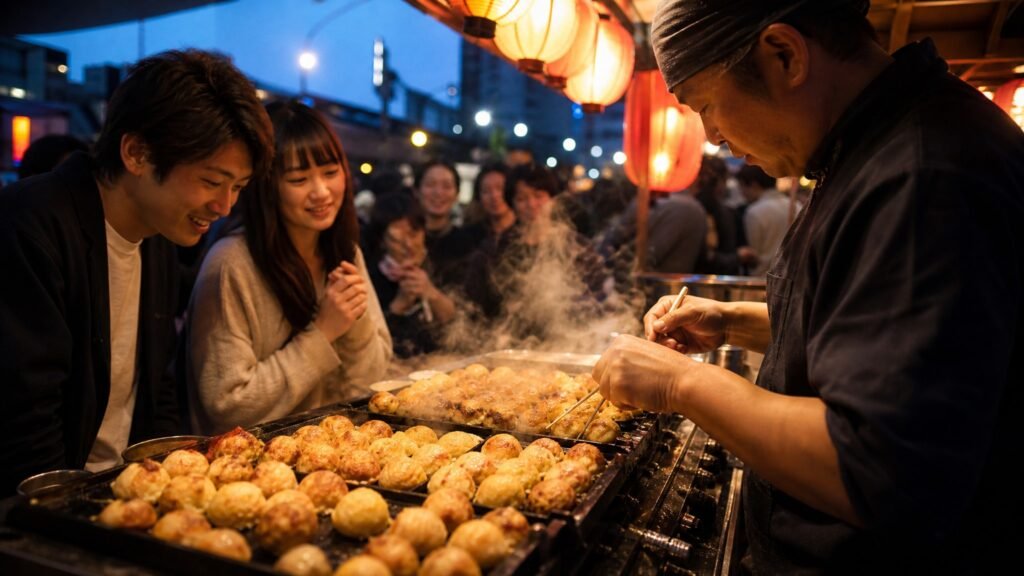
Nakamise-dori’s roughly 90 shops have sold souvenirs and street snacks to temple pilgrims for centuries. Regulars know to detour down the quieter side alleys just off the main strip for the best ningyo-yaki and rice crackers.
Nakamise-dori Shopping Tips Beyond the Main Strip
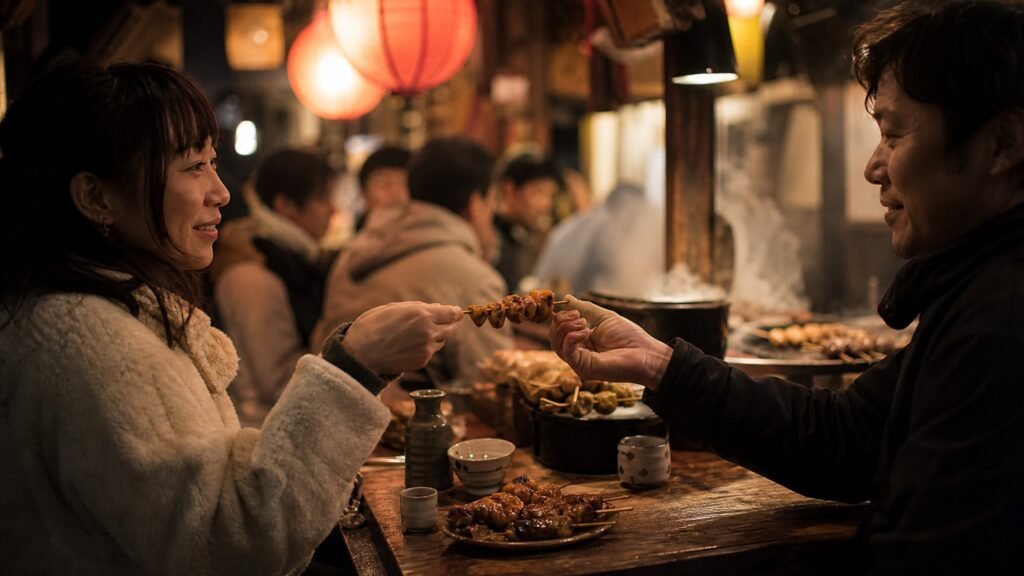
On the main strip, look for classic snacks like ningyo-yaki, small castella cakes filled with sweet bean paste, along with age-manju, senbei rice crackers, and kibi dango skewers. For souvenirs, this is a good spot for yukata, folding fans, chopsticks, and traditional crafts you won’t find in a generic gift shop.
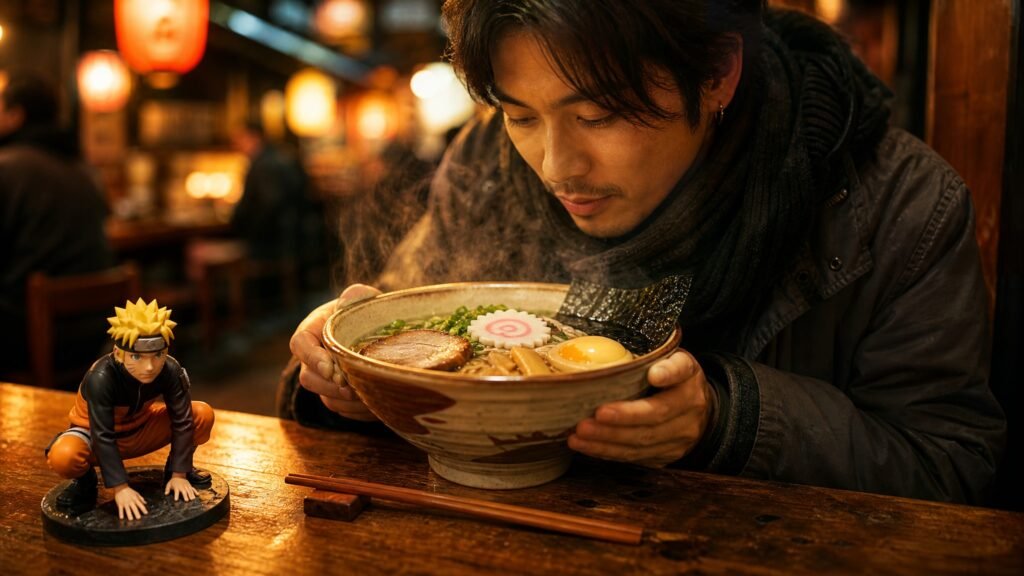
The real trick is to step off the main path. The parallel side streets, especially Denboin-dori and the small lanes branching east and west, hold smaller family-run shops with shorter lines and, often, better prices. If you’re building out a food-focused day, this area pairs naturally with a broader look at the best ramen shops near Asakusa for when you want something more substantial than street snacks.
Best Photography Spots Around Kaminarimon and the Pagoda
For the classic Kaminarimon shot with the giant red lantern, position yourself slightly off-center and shoot early morning when the crowd thins and the light is soft. The five-story pagoda, just west of the main hall, photographs beautifully from the small garden area nearby, especially with cherry blossoms or autumn leaves as a backdrop depending on season.
Another underrated angle is from Denboin-dori looking back toward the pagoda. It’s quieter, less crowded, and gives you the temple roofline without a sea of umbrellas or selfie sticks in frame.
Senso-ji Spiritual Rituals and Temple Etiquette
Senso-ji isn’t just a photo backdrop. It’s an active place of Buddhist worship, and a few simple rituals are open to visitors who want to participate respectfully.
How to Do the Omikuji Fortune and Incense Ritual
Near the main hall, you’ll find large incense burners known as jokoro. Locals light incense, place it in the burner, and waft the smoke toward themselves, believing it brings health and good fortune. Feel free to join in.
For omikuji, the fortune-slip ritual, shake a metal cylinder until a numbered stick falls out, then match the number to a corresponding drawer to pull your fortune. The omikuji ritual at Senso-ji is famous for an unusually high rate of “bad luck” draws compared to other Tokyo temples. Locals see that as part of the fun rather than something to worry about. If you draw a bad fortune, the tradition is to fold it up and tie it to the nearby rack, leaving the bad luck behind at the temple rather than taking it home.
Respectful Behavior at the Main Hall and Shrine Blessing
At the main hall, a small toss of a coin into the offering box, a bow, and a quiet moment of reflection is the standard way to pay respects. Photography is generally fine outdoors, but keep your voice low and avoid flash near people in prayer.
Just beside the main temple sits Asakusa Shrine, a separate Shinto shrine dedicated to the three founders of Senso-ji. It’s easy to assume it’s part of the same complex, but it runs its own blessing ceremony and traditions distinct from the Buddhist temple next door. If you have time, it’s worth a quiet five minutes on its own.
Beyond the Temple: Asakusa District Hidden Gems and Itinerary
Senso-ji is the anchor, but Asakusa rewards anyone willing to wander a little further from the main gate.
A Half-Day Asakusa Walking Tour Itinerary
We often route guests through the quieter Denboin-dori street and past the five-story pagoda before looping back to Nakamise, so they get the temple’s calm side before the market energy hits.
A simple half-day flow looks like this: start at Kaminarimon around sunrise, walk the temple grounds and pagoda while it’s quiet, do the incense and omikuji rituals at the main hall, then loop through Denboin-dori before Nakamise-dori fills up. Finish with a riverside walk along the Sumida River, where you’ll get a clean view of Tokyo Skytree across the water, then grab a late breakfast or early lunch in the surrounding backstreets.
Budget around two to three hours for a solid version of this loop, or a full morning if you want to linger, shop, and sit down for a proper meal. Entry to the temple grounds is free, and there’s no fee to see the main hall or Kaminarimon. That makes Senso-ji one of the best-value stops on a Tokyo temples and Asakusa district itinerary.
Local Spots Most Visitors Miss
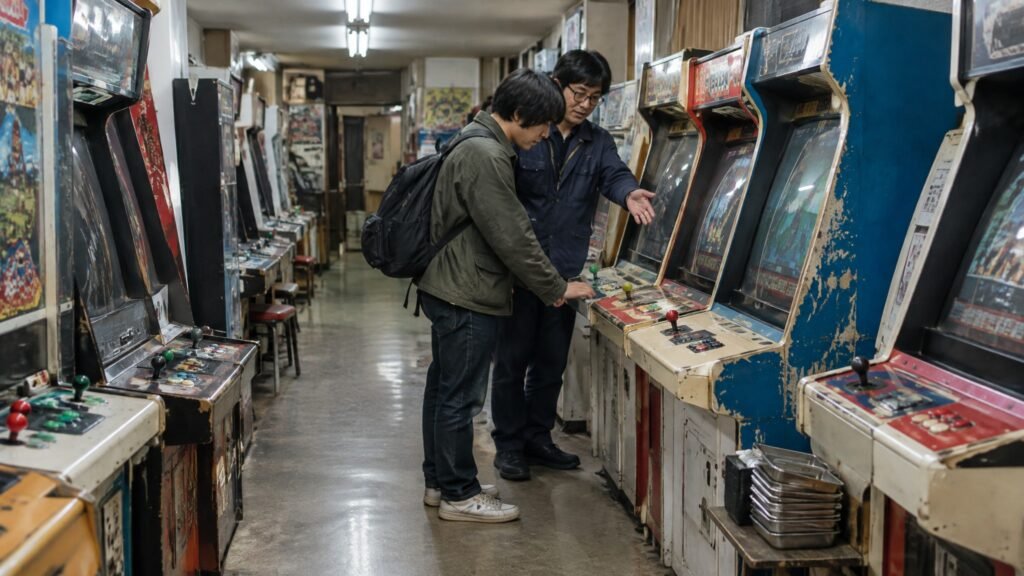
Rokku Broadway, just west of the main tourist path, was once Tokyo’s entertainment district and still has an old-school arcade and theater charm most visitors skip entirely. The Sumida River walkway near Azumabashi Bridge offers a quiet break with great skyline views. Small standing-bar coffee shops tucked into the backstreets are ideal for people-watching once you’ve earned a rest.
If you have extra time in the day, Asakusa connects easily to other parts of Tokyo. Consider an Akihabara pop culture tour for an afternoon contrast, a stop at a Tsukiji or Toyosu fish market tour for fresh seafood, or pairing Asakusa with a Shibuya nightlife itinerary to bookend a quiet morning with an electric evening. If you’re new to Japanese dining customs, it’s also worth brushing up on izakaya etiquette for first-timers before you sit down for dinner later on.
Make the Most of Your Senso-ji Day Trip With a Local Guide
Everything above works well for independent travelers. But there’s a version of this visit that’s hard to get on your own: knowing exactly which side street has the best ningyo-yaki that morning, understanding the meaning behind the ritual you just did, or hearing the actual history behind a detail you’d otherwise walk right past.
A guided half-day or full-day tour of Senso-ji and Asakusa strips out the guesswork. You get the sunrise timing, the quiet backstreets, the etiquette explained in real time, and the hidden food stops that don’t show up on a map. If you want to experience Senso-ji the way locals actually do, join us for a guided Asakusa day trip and let us show you the temple, the rituals, and the district beyond the crowds.