If you’ve searched for a tokyo fish market tour tsukiji toyosu and landed on a page still talking about Tsukiji’s famous tuna auctions as if they’re happening tomorrow, you’re not alone. The internet is full of outdated guides. Here’s what’s actually true in 2026: Tsukiji’s inner wholesale market closed in 2018, the action moved to Toyosu, and yet the confusion keeps sending visitors to the wrong place at the wrong time. We’ve put this guide together to fix that, and to show you how to experience both markets like a genuine Tokyo local.
Tsukiji vs. Toyosu: Understanding the Two Markets
What Happened to the Old Tsukiji Market?
Tsukiji Market operated for over 80 years as Tokyo’s, and arguably the world’s, most famous fish market. In October 2018, the Tokyo Metropolitan Government relocated the entire inner wholesale operation to a purpose-built facility in Toyosu, about 2.3 km to the east. The famous tuna auctions, the licensed wholesalers, the pre-dawn deliveries, all of it moved.
What stayed behind is the outer market: a dense grid of street food stalls, kitchen supply shops, sushi bars, and specialist grocers that never belonged to the wholesale operation. That part of Tsukiji is still open, still lively, and still absolutely worth your morning.
What Is Toyosu Market Today?
Toyosu Market is the current working wholesale fish market for Tokyo, and one of the largest fish markets in the world by transaction value. Step into the visitor gallery and the scale hits you immediately: rows of enormous frozen bluefin tuna laid out under harsh fluorescent light, the cold air sharp against your face, auctioneers moving fast between the lots. This is where the city’s restaurants, sushi chefs, and supermarkets source their fish every single morning.
The Toyosu facility opened in 2018, designed from scratch with hygiene, logistics, and tourist access in mind. Unlike the cramped, improvised visitor experience at old Tsukiji, Toyosu has dedicated viewing galleries, a restaurant floor, and clear separation between working wholesale areas and public zones. Understanding traditional Japanese cuisine and washoku culture gives the visit a much richer context, the trade you’re watching feeds one of the most sophisticated food cultures on earth.
How to Watch a Tokyo Fish Auction at Toyosu
Who Can Attend and How to Register
The public viewing programme is run by the Tokyo Metropolitan Government, not by private tour operators. Access to the tuna auction gallery is free, but spots are allocated by lottery, and demand consistently outstrips supply. Here’s how it works:
- Apply online through the Tokyo Metropolitan Central Wholesale Market official website.
- Applications typically open several weeks before the target visit date.
- Register a group and select preferred dates, spots fill quickly, especially for weekends and holidays.
- Successful applicants receive a confirmation and report to the market before 5 a.m. on the day.
The lottery is competitive. Applying early and for weekday dates improves your chances. If you miss out, the restaurant floor and wholesale building viewing areas are still accessible without a lottery win, you just won’t see the live auction floor itself.
What to Expect During the Tuna Auction
Winners meet at the designated assembly point before the market’s retail operations fully wake up. You’re escorted to an elevated glass-fronted gallery overlooking the auction floor, the cold hits you before the doors even open fully.
Below, dozens of giant frozen bluefin tuna are laid out in rows, each tagged and inspected by buyers crouching low with torches to assess colour and fat content. The auctioneers work at a pace that’s almost theatrical: rapid calls, hand signals, deals struck in seconds on fish that will become tonight’s omakase in some of Tokyo’s finest restaurants. It’s over faster than you expect. It’s also genuinely one of the most striking things you can witness in Japan.
Navigating the Toyosu Market Layout for Tourists
The Three Main Buildings
Toyosu Market is divided into three main buildings connected by elevated walkways:
- Building 6, Seafood Wholesale: This is where the tuna auction takes place and where licensed dealers trade. The public viewing gallery is here. The working floor is not accessible to general visitors.
- Building 7, Fruit and Vegetable Wholesale: A separate operation from the fish side, handling Tokyo’s produce supply. Less visited by tourists but interesting in its own right.
- Building 6 Upper Floor, Restaurants and Shopping: The main accessible highlight for most visitors. A row of restaurants, including famous names that relocated from old Tsukiji, serves breakfast-time sushi, seafood bowls, and market-sourced dishes. There’s also a small shopping area selling kitchen goods and condiments.
The restaurant floor is where most tourists spend the majority of their time, and the quality-to-price ratio is hard to beat anywhere in the world.
Getting There: Transport and Timing Tips
Toyosu Market is easy to reach on the Yurikamome Line, take it to Shijo-mae Station, which drops you directly at the market entrance. From central Tokyo (Shimbashi), the journey takes roughly 30–40 minutes. The station is well-signposted in English and operates from the very early hours to serve market workers.
Best timing for tourists:
- Auction lottery winners: Arrive before 5 a.m. as instructed in your confirmation.
- Restaurant floor visitors: Aim to arrive between 7 and 9 a.m. on weekdays. This window catches the restaurants at their freshest stock and before the tourist wave hits.
- The market is closed on Sundays, public holidays, and some Wednesdays, check the official calendar before you plan your trip.
Pair your Toyosu morning with full day Tokyo itinerary ideas for a well-structured day from 5 a.m. to midnight.
Tsukiji Outer Market: Still Worth Your Morning
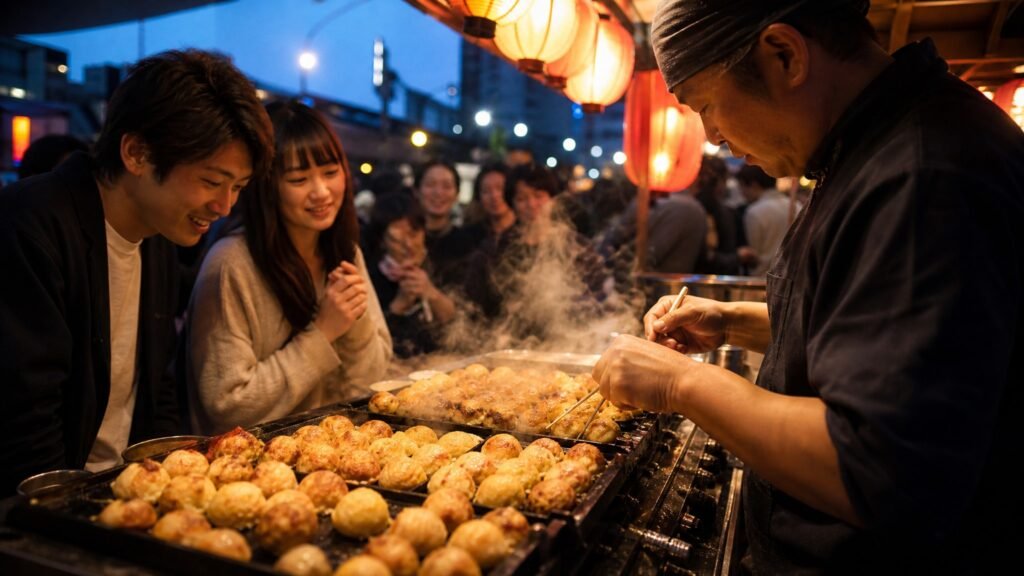
Don’t write Tsukiji off. The outer market runs along the streets surrounding the old inner market site and has been operating continuously, it was never part of the 2018 relocation. A morning here means weaving through stalls selling fat oysters on the half-shell, rolled tamagoyaki still hot from the pan, premium dashi and bonito flakes, pickles, and some of the city’s most enjoyable stand-up sushi.
No booking required. No lottery. Just show up between 8 and 11 a.m. (most stalls close by noon or early afternoon), bring cash as a backup, and eat your way down the street.
The outer market works beautifully as a half-day complement to Toyosu, visit Toyosu at dawn for the restaurant breakfast, then make the short trip over to Tsukiji for mid-morning snacks and browsing. Or, if the auction lottery doesn’t come through, Tsukiji outer market alone makes for a genuinely satisfying food morning with zero advance logistics.
Toyosu Sushi Experience: Eating Like a Wholesale Insider
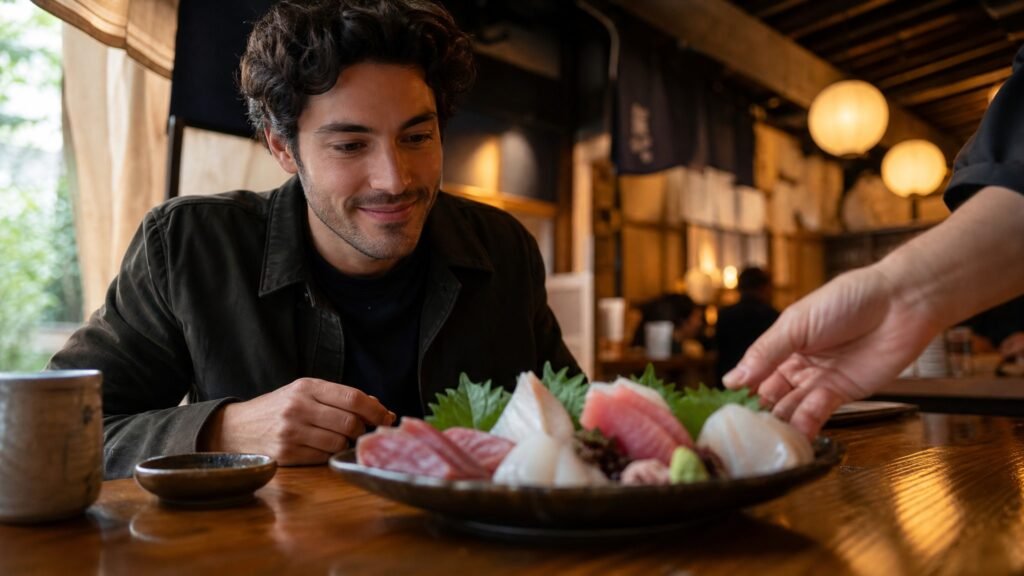
The sushi on the restaurant floor is the meal most visitors will talk about for years. Sushidai and Daiwa Sushi, two celebrated counters that relocated from Tsukiji to Toyosu’s upper restaurant floor, serve omakase-style breakfast sets made from the morning’s auction catch. The menus rotate with what came in that day, which is exactly how it should be.
Japanese food professionals often say that eating sushi within hours of the auction reveals a texture and sweetness in the fish that refrigeration and transit simply cannot replicate. Sitting at the counter, face-to-face with the chef, watching nigiri come together piece by piece from fish that was in the market hours ago, that’s the experience.
The queues are real, though. Arrive by 6:30–7 a.m. on weekdays for the shortest waits at the most popular counters. Weekends and holidays see significantly longer lines. Brush up on eating etiquette at Japanese food counters before you go, counter dining in Japan has its own rhythm, and a little preparation goes a long way.
Joining a Guided Tokyo Fish Market Tour: What to Look For
Going independently is possible. But a guided tokyo fish market tour tsukiji toyosu with a knowledgeable local unlocks a completely different level of experience, and solves most of the logistical headaches in one move.
Here’s what a good guide changes:
- Lottery navigation: Knowing which auction dates to target, how to maximise lottery success, and what to do if you miss out.
- Timing strategy: Sequencing the auction gallery, the restaurant queue, and the outer market visit so nothing is rushed and nothing is wasted.
- Cultural context: Understanding what you’re watching on the auction floor, what the buyers are looking for in a tuna, and why this trade sits at the heart of Japanese food culture.
- Stall and restaurant selection: Knowing which counter is worth the queue and which kitchen goods shop is the real insider find.
At Washoku Club City, we run small-group food tours with passionate local guides who have spent over 12 years building relationships across Tokyo’s food scene. We handle the auction lottery, we know the best arrival windows, and we keep groups small enough that the experience feels personal rather than packaged. You can explore the best food tours in Tokyo with local guides on our site to see what a guided market morning looks like, and if you’re also building out a Japan food trip, the street food scene in Osaka makes a natural next stop.
A 5 a.m. start might sound brutal. With the right guide, it becomes the highlight of the trip. Book your guided Tokyo fish market tour with Washoku Club City and we’ll handle everything from the lottery to the last piece of toro.