Walking through the Arashiyama Bamboo Grove at midday often feels more like navigating a crowded transit hub than entering a sacred natural space. Yet this iconic landscape is still one of Japan’s most powerful sensory experiences when you approach it the right way. We believe the bamboo forest is best understood not just as a photo backdrop but as a living landscape shaped by centuries of forestry practices and spiritual tradition, that’s context only a local voice can really give you. A Kyoto bamboo forest tour with a local guide turns that chaotic snapshot into a deliberate journey through history, ecology, and neighborhood life that no guidebook can replicate.
Our team has spent over a decade building relationships within this community so you can experience the grove’s true rhythm rather than its tourist veneer. Most visitors crowd the main 500-meter stretch of the bamboo grove. Our guides lead groups through adjacent residential lanes and lesser-known temple grounds instead, where silence prevails even during peak season. That’s what makes your time in Arashiyama feel personal, respectful, and genuinely memorable.
Why a Local Guide Transforms Your Arashiyama Bamboo Grove Visit
You can absolutely navigate Arashiyama on your own. But doing so means you’ll likely miss the subtle layers that make this area culturally significant beyond its visual appeal. An Arashiyama bamboo grove guide does far more than point out photogenic stalks. They read the landscape as a working ecosystem and a spiritual boundary that has defined western Kyoto for centuries.
Hidden Paths Only Residents Know
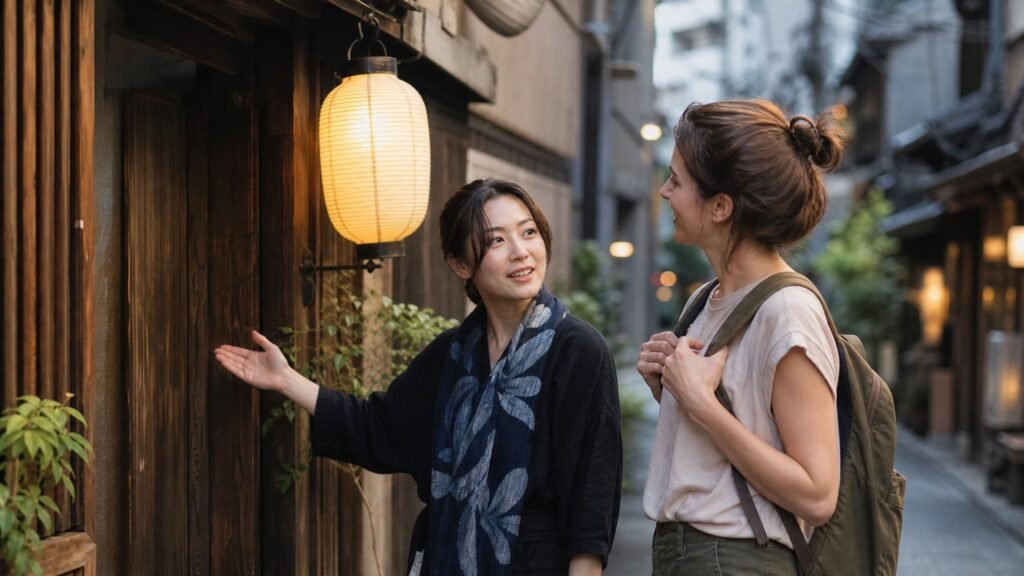
The famous central path is undeniably beautiful, but it’s only a fraction of the bamboo terrain available to those who know where to look. Our guides have led over 12 years of immersive Kyoto experiences, building relationships with tea house owners and temple staff that grant guests access beyond standard tourist paths. Those connections open up narrow residential side streets and unmaintained forest trails where the canopy closes overhead and wind replaces human chatter.
You’ll walk routes that don’t appear on digital maps, because they exist as local thoroughfares rather than designated sightseeing corridors. This isn’t about secrecy. It’s about timing and trust, residents let guided groups pass quietly through spaces they’d otherwise close off to protect their privacy. Standing in a queue and strolling through a sun-dappled private lane are two different experiences of the same forest; one is seeing the grove, the other is inhabiting it.
Cultural Context You Cannot Get From a Sign
Informational plaques along the main route give you basic botanical facts, but they can’t explain why certain bamboo species were planted here or how harvest cycles shaped local architecture. We weave real storytelling about bamboo forestry, seasonal change, and folklore directly into the walk, so the landscape speaks to you as a cultural artifact rather than a static exhibit. Your guide explains that the dense planting originally served as windbreaks and fire barriers for nearby temples, long before it became a destination people photograph.
That narrative layer turns a simple nature walk into a lesson on sustainable land management that continues today. You learn to tell male and female bamboo apart by their joint spacing, and why the forest floor is cleared of fallen leaves to prevent rot and keep the soil healthy. Without this context, the grove is merely green. With it, every rustle carries meaning.
Best Time to Visit Bamboo Forest Kyoto for Peace and Photos
Timing decides everything in Arashiyama. Knowing exactly when to arrive is the difference between a serene walk and a frustrating shuffle. Arashiyama draws millions of visitors a year, and the bamboo grove gets extremely congested between 10 AM and 3 PM during spring and autumn peaks, so a plan isn’t optional if you want any real tranquility.
Early Morning vs. Late Afternoon Light
The golden window for solitude opens before 7:30 AM, once commuter trains have dropped off early workers but before tour buses arrive from Osaka or central Kyoto. In that brief stretch, light filters softly through the eastern canopy, casting long shadows and a cool color temperature that photographers prize over harsh midday sun. You get images with no strangers in them, plus the actual soundscape of wind and birdsong that defines the forest’s character.
Late afternoon offers something different. The western sun warms the bamboo to a golden hue, and crowds start thinning after 4 PM. You’ll trade some solitude for dramatic light that makes the stalks glow against deepening shadows, and the whole mood shifts toward evening calm as locals head home. Both windows take some discipline, but they give you the version of the grove that inspired poets, not influencers.
Seasonal Differences in Crowd Density
Summer brings lush density and vivid green, but also heavy humidity and peak domestic tourism during school holidays. Winter strips the forest to its architectural bones, showing off the structural beauty of individual stalks, and the crisp air makes walking comfortable even at midday. Spring and autumn strike the best balance overall, though cherry blossom season and November foliage push the “arrive early” window close to pre-dawn.
Your season should match what you’re willing to trade off, weather against crowds, because no single stretch of the year gives you both an empty grove and ideal climate. We help you weigh that tradeoff based on your travel dates and photography goals, rather than promising an uncrowded peak-season visit that doesn’t exist.
Arashiyama Hidden Spots Local Guides Love to Share
The main grove is the headline, but the neighborhood around it holds the stories that make Arashiyama a living community rather than a theme park. Finding the Arashiyama hidden spots local guides favor takes permission and familiarity that comes only with years here, and we’re glad to share these sanctuaries with guests who want depth over checklist tourism.
Quiet Temple Gardens Adjacent to the Grove
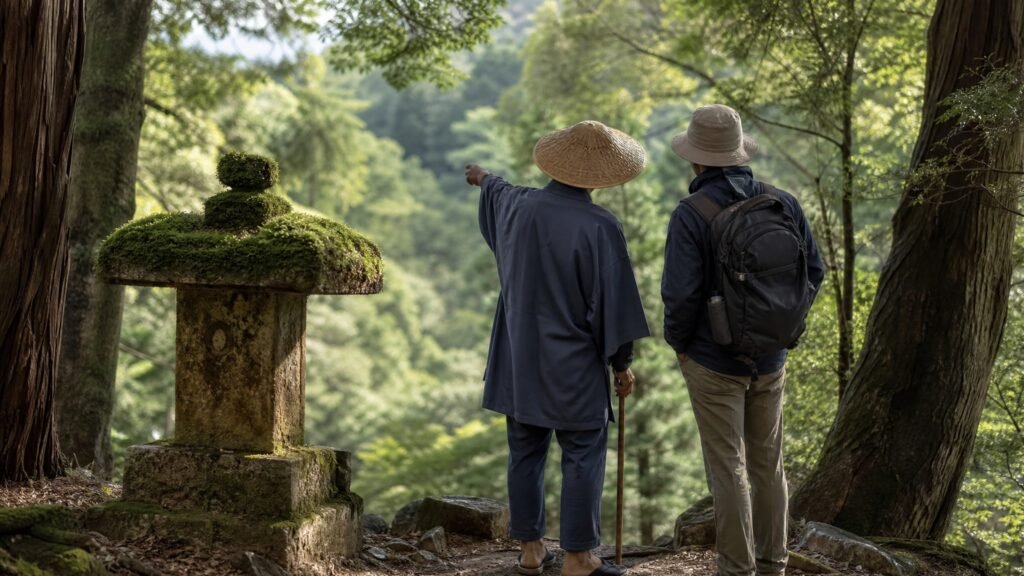
Several sub-temples border the bamboo forest yet stay overlooked because their entrances sit away from the main pedestrian flow. These enclosed gardens hold moss-covered stone arrangements and intimate tea rooms where you can sit in silence without fighting for bench space. Getting in often depends on knowing the head monk’s schedule, or having a guide the temple recognizes as a respectful repeat visitor rather than a random passerby.
These spaces work as decompression chambers, where the intensity of the main grove dissolves into contemplative stillness. You might catch a monk raking gravel or hear distant chanting, moments that ground your visit in active religious practice rather than historical reenactment. You can’t schedule encounters like that, but standing in the right place at the right hour makes them far more likely.
Traditional Tea Houses Away from the Main Street
Family-run establishments tucked behind the commercial strip serve matcha and wagashi in settings unchanged for generations. These places favor regulars and guided guests over high-volume turnover, so you get attentive service and real conversation instead of a rushed transaction. Many operate without English signage or online listings, running purely on word-of-mouth networks our team maintains through frequent visits and mutual respect.
Sitting in a space like that lets you process what you’ve seen while supporting the businesses that keep Arashiyama’s culture alive. If you want to go deeper on this side of the visit, consider adding a matcha tasting experience with a local guide to understand the preparation rituals behind these quiet moments. The tea becomes part of the story, not just a break from walking.
Private Tour Arashiyama Kyoto: Customizing Your Experience
A private Arashiyama Kyoto tour bends to your energy, your interests, and your pace instead of forcing you into a predetermined mold. That flexibility matters a lot in a district where terrain swings from flat paved paths to steep mountain trails, and where the food deserves as much attention as the views.
Combining Nature Walks with Food Culture
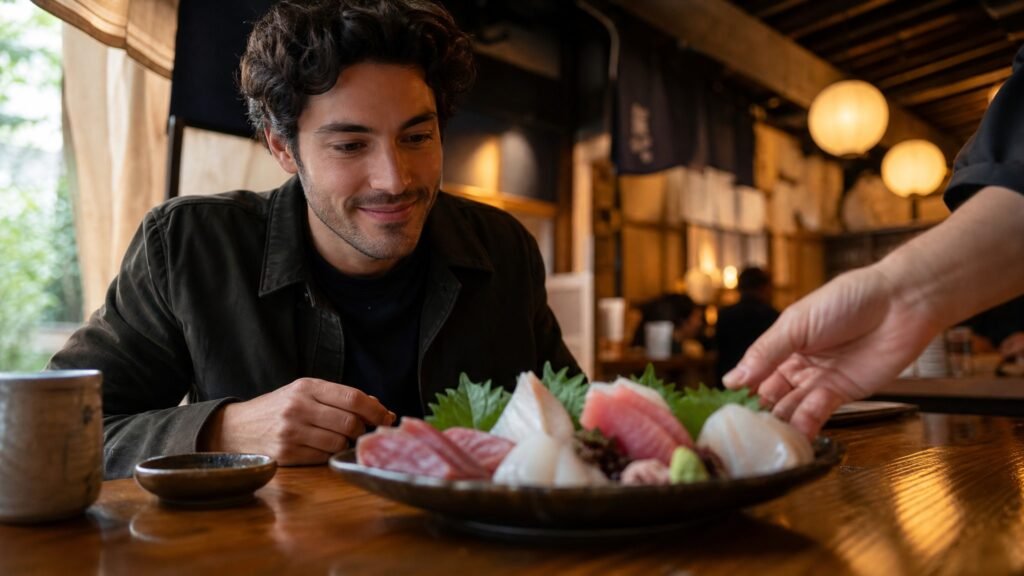
Arashiyama’s identity is tied to tofu cuisine and seasonal kaiseki, yet most visitors treat lunch as an afterthought instead of part of the day. We build routes that place meals at logical points, maybe ending a morning forest walk at a riverside restaurant known for yudofu, or stopping at a century-old sweet shop before an afternoon climb. You can also book a private Kyoto food tour to pair with your bamboo forest visit if food is really your lens for understanding this region.
Food stops give you rest and hydration while introducing flavors tied directly to the land you just walked through. Tasting local ingredients right after passing through the fields and forests that produce them creates a kind of sensory throughline, and it makes both parts of the day better. It also avoids that disjointed feeling of separate sightseeing and dining blocks that self-guided itineraries often fall into.
Pacing Options for Families and Hikers
Families with young kids need shorter distances and frequent points of interest, while avid hikers might want extended ridge walks that connect the grove to higher viewpoints. Private tours adjust stride length, stop frequency, and total time in real time based on how the group is doing, not a fixed timetable. If knees tire or attention wanders, we pivot to a nearby garden or café, no apology and no wasted time.
That kind of adaptability means everyone finishes the day feeling good, not exhausted or bored. If you want more elevation and solitude beyond Arashiyama, our guided hike through Fushimi Inari’s quieter upper trails applies the same idea of customization to Kyoto’s other iconic natural site. Physical comfort is what lets cultural absorption happen, so we treat pacing as foundational, not a logistical footnote.
Practical Tips for Navigating Bamboo Forest Kyoto Crowds
Even with perfect timing and a good guide, visiting a place this popular takes some active management on your part. A few Arashiyama bamboo forest crowd tips go a long way toward helping you move through shared spaces gracefully, with less friction for residents and fellow travelers alike.
Arrive via Hankyu Arashiyama Station rather than JR Saga-Arashiyama, so you approach the grove from the less congested southern end. That naturally spreads foot traffic away from the bottleneck near Tenryu-ji’s north gate. Keep quiet inside the grove itself, sound carries remarkably through the hollow stalks, and echoes disturb both wildlife and the neighbors living just meters away. Don’t block the path for photos or linger at chokepoints; keep moving to preserve flow for the people behind you.
Respect private property boundaries absolutely. Many seemingly open lanes are residential driveways or temple maintenance corridors, not spaces meant for public wandering. Take your trash with you, since public bins are scarce and overflowing ones signal disrespect toward the community hosting you. None of this costs anything, but together it decides whether Arashiyama stays welcoming or starts putting up barriers against future visitors.
Beyond the Grove: Pairing Tenryu-ji Garden and Monkey Park
Treating the bamboo forest as a standalone attraction misses the chance to understand Arashiyama as one connected landscape. Pairing Tenryu-ji’s garden and bamboo forest views with Iwatayama Monkey Park gives you a narrative arc that moves from cultivated serenity to wild interaction, with no backtracking or wasted transit.
Seamless Transitions Between Nature Sites
Tenryu-ji’s UNESCO-listed garden shares a direct boundary with the bamboo grove, so you flow from forest path to pond garden without ever exiting to the main street. That physical connection mirrors a thematic one: the garden’s borrowed scenery works the very bamboo you’ve just walked through into its designed view. Exiting through the temple’s north gate puts you at the grove’s best entry point, which reverses the typical tourist flow and avoids head-on crowds.
From the grove’s western edge, a fifteen-minute uphill walk gets you to the monkey park summit, where panoramic views reframe the whole valley you’ve just explored below. That climb works as a natural capstone, turning ground-level immersion into an aerial view and rounding off the geography of the day. Guides manage the timing so each transition feels organic rather than rushed, using the walking stretches themselves as reflective pauses between major sites.
Adding Cultural Depth to a Nature Day
Pairing these sites keeps the bamboo forest from becoming a disconnected photo op cut off from its history and ecology. Tenryu-ji gives you the aristocratic side of Zen garden design, while the monkey park introduces the untamed fauna that shares these hills with people. Together with the managed bamboo forest, the two represent distinct relationships between people and nature that define Kyoto’s western outskirts.
If you want to keep exploring beyond Arashiyama, our Gion geisha district day trip guide offers a parallel look at another side of Kyoto’s living heritage. If you’re visiting in fall, you might also enjoy how these pairings shift with the season, covered in our guide to autumn foliage tours in Kyoto. Each pairing adds something the others don’t.
Booking Your Kyoto Arashiyama Walking Tour With Us
We don’t do generic commentary or scripted routines. Every Kyoto Arashiyama walking tour we run reflects our team’s real relationships and our ongoing curiosity about this neighborhood as it keeps changing. What sets our approach apart is the mix of operational know-how and genuine affection for Arashiyama as a home, not just a destination. If you want to experience the bamboo forest the way locals do, with access, context, and respect, we’d love to hear from you about dates for your upcoming trip.