Tokyo changes completely once the sun goes down. By day it’s efficient transit and quiet temple visits; by night it’s glowing lanterns, sizzling grills, and alleyways that feel like a different city entirely. A Tokyo night food tour gives you something daytime sightseeing can’t: a way into the small, intimate spaces where locals actually unwind after work. We believe the best way to understand this city isn’t through museum exhibits or guidebook landmarks. It’s pulling up a stool at a standing bar and sharing skewers with the people who call these neon-lit alleyways home.
Join us as we explore why an evening food tour in Tokyo gives you such a different window into the city than a standard dinner reservation or a night of wandering alone. Navigating these districts takes more than hunger. It takes local knowledge, because the best venues stay invisible to anyone just passing through. This guide covers neighborhood picks, what you’ll eat, and the etiquette that makes the difference between feeling like a guest and feeling like a tourist.
Why Tokyo Night Food Tours Are Different From Daytime Dining
Daytime dining in Tokyo tends to prioritize efficiency and solitude. Evening izakayas run on the opposite logic: connection and lingering conversation, stretched over hours. Local guides will tell you that true izakaya culture is about the slow progression of small plates paired with drinks, not one main course landing on your table. That rhythm takes some navigating, and it’s not something most first-time visitors pick up on their own. Without someone to explain how ordering works or translate the unspoken rules of shared seating, you can easily miss the communal joy that defines Japanese nightlife.
The Shift From Sightseeing to Socializing
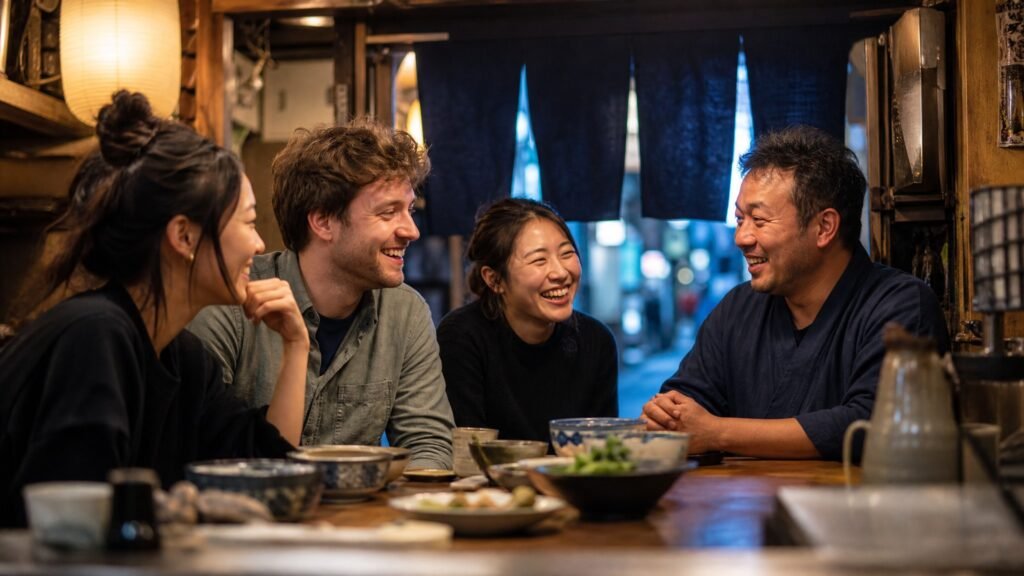
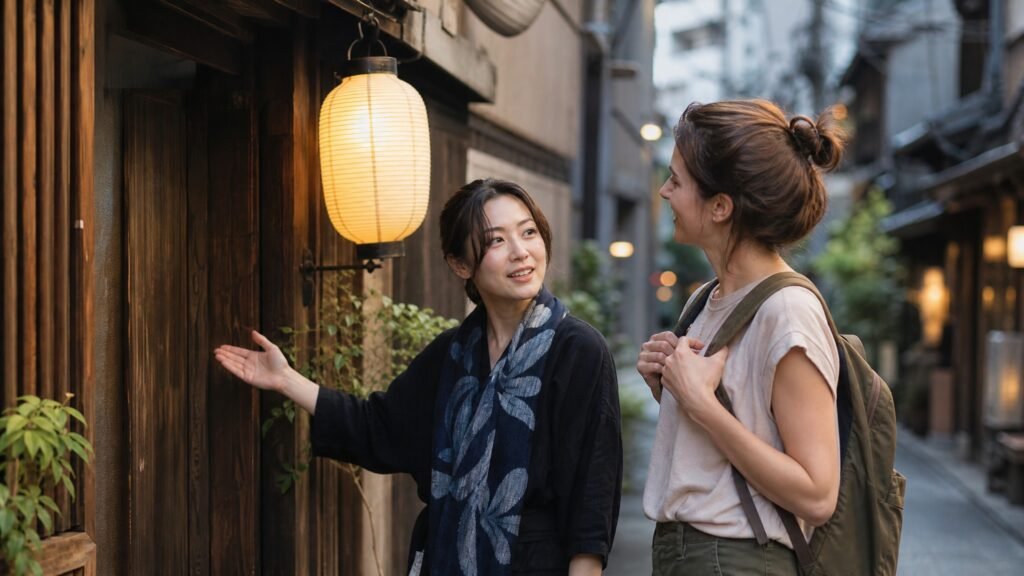
A guided experience changes how you interact with the room, because it takes away the anxiety of standing outside looking in. Exploring independently has its charm, and there’s real spontaneity in it. But a guided Tokyo night food tour bridges the gap between watching and taking part, introducing you to staff and regulars who might otherwise look right past a tourist. That social access is what turns a meal into a memory. Strangers become temporary friends over shared dishes and poured drinks.
Neon Districts and Yatai Culture After Sunset
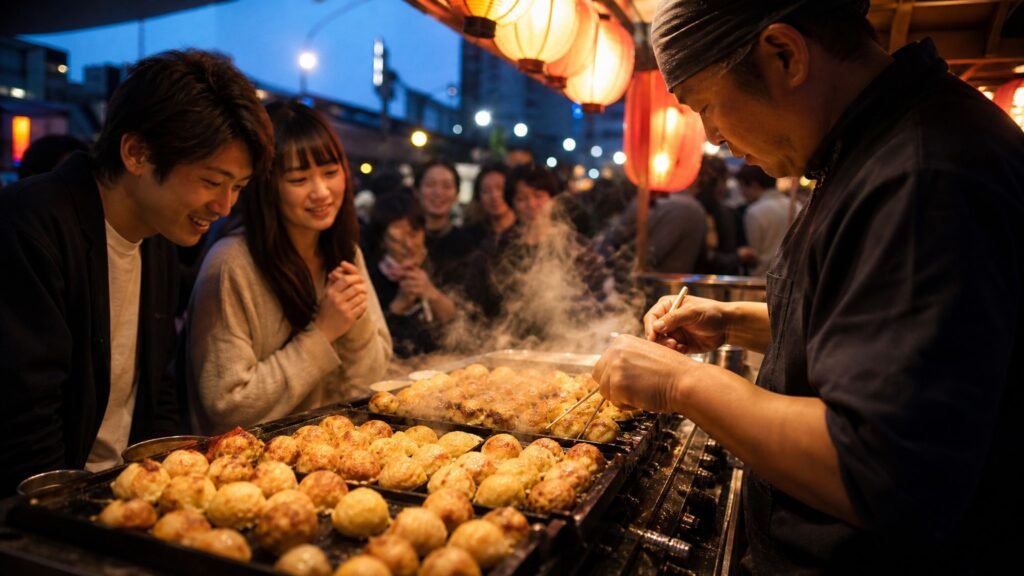
Omoide Yokocho in Shinjuku turns into a labyrinth of smoke-filled yakitori stalls and tiny bars that only operate at night, and the atmosphere there simply doesn’t exist during the day. These places are built for closeness. The physical proximity breaks down the usual distance between guest and host, almost by design. You can’t manufacture that energy at lunchtime, when the same streets are just thoroughfares people walk through on their way somewhere else.
Top Neighborhoods for an Evening Food Tour in Tokyo
Every district runs on its own frequency after dark, so where you go depends on what kind of night you’re after. A Shinjuku night food tour gives you high-energy nostalgia and dense crowds. Other neighborhoods offer something quieter, or something younger and more experimental. Knowing the difference upfront saves you from disappointment and helps your Tokyo street-food-at-night plans actually match your travel style.
Shinjuku’s Omoide Yokocho and Golden Gai
These alleyways are a living piece of the post-war Showa era, hundreds of micro-bars packed into corridors barely wide enough to walk through. The density creates a kind of sensory overload: charcoal smoke, shouting vendors, clinking glass, all of it cinematic and entirely real at the same time. Navigating this maze alone can be overwhelming. With a guide, it turns into a lesson in urban history and resilience.
Ginza’s Upscale Late-Night Eateries
Ginza is the opposite experience: polished counters, hushed tones, and the kind of careful service that caters to business elites and serious gourmands who want refinement over raucous energy. The focus here shifts from volume to precision. Chefs work with seasonal ingredients in spaces that seat only six to eight guests at a time. This neighborhood suits travelers who’d rather watch craftsmanship up close than rub shoulders in a smoky alley.
Kichijoji and Shimokitazawa for Local Vibes
Kichijoji consistently ranks as one of the best residential neighborhoods for locals, and its bar-hopping scene reflects that: few tourist traps, lots of genuine community gathering spots. Shimokitazawa pulls a younger crowd drawn to indie music, vintage fashion, and fusion cooking that doesn’t fit neatly into any category. Both neighborhoods give you a real look at how Tokyoites actually live and socialize when no one’s performing hospitality for visitors.
What You Will Actually Eat on a Tokyo Street Food at Night Experience
Forget the delicate sushi platters you might be picturing. Nighttime eating is about hot, savory comfort food built to go with alcohol and keep conversation going. Menus shift with the seasons and look nothing like the lunch sets or formal kaiseki dinners you might find during the day; the flavors are bolder, built to stand up to strong drinks. This is food meant to be eaten slowly and shared without pretense.
Yakitori, Kushikatsu, and Grilled Skewers
Grilled chicken skewers are the backbone of most izakaya menus, but the variety goes well beyond thigh meat, into cartilage, liver, skin, and seasonal vegetables wrapped in bacon. Each cut calls for its own grilling technique and its own salt-to-tare ratio, something veteran cooks have refined over decades of the same repetitive motion. Watching that preparation up close, the charcoal glowing red in front of you, gives you a connection to the craft that no photo can capture.
Late-Night Ramen and Tsukemen Culture
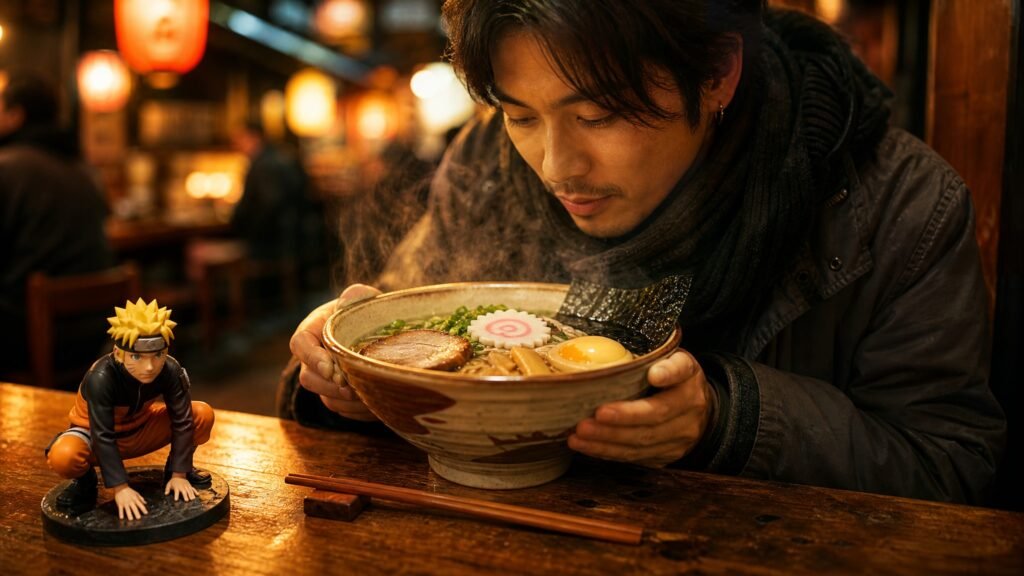
Ramen shops stay open late specifically for the post-drinking crowd, serving rich tonkotsu broths or thick dipping noodles that work as both sustenance and cure. Tsukemen, where cold noodles get dipped separately into hot concentrated broth, gives you a textural contrast many locals actually prefer over a standard soup bowl at the end of a long night. These spots often run on ticket machines and counter seating, making them the perfect quick stop between bars.
Seasonal Small Plates and Bar Snacks
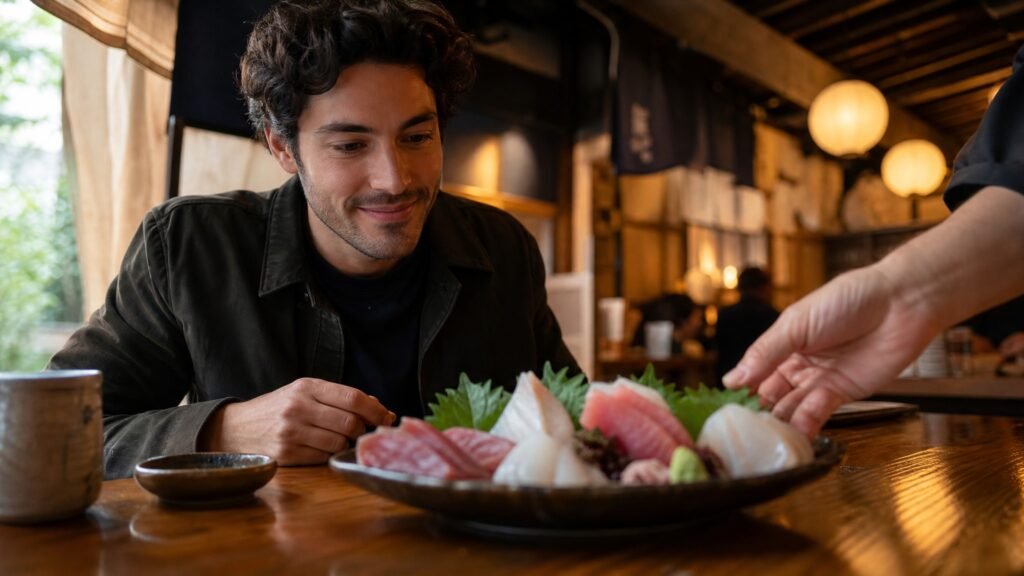
Otsumami, or drinking snacks, range from edamame and pickles to more complex simmered dishes built around whatever ingredient is at its peak. Spring brings bamboo shoots and mountain vegetables; autumn brings mushrooms and ginkgo nuts, each prepared in ways that celebrate how briefly they’re actually in season. These small plates are made for pacing and sharing, which is really the whole social contract of the izakaya: no one eats alone, even if they walked in solo.
Navigating Dietary Needs on a Night Tour
Traditional izakayas weren’t built with modern dietary restrictions in mind, which makes independent navigation risky if you’re vegetarian, vegan, or need halal options. Many broths contain fish stock, and plenty of sauces hide wheat or shellfish that English menus rarely disclose accurately. Specialized tours exist to close that gap, connecting guests with places that understand these needs without watering down the experience.
Vegetarian-friendly venues do exist in Tokyo’s nightlife districts, but finding them takes research and direct conversation that goes well beyond pointing at a picture. We’ve spent over 12 years refining our evening routes to include family-run places that don’t advertise online, the kind that welcome guests introduced by a trusted local regular. That network lets us build experiences around real dietary boundaries while still keeping the atmosphere immersive.
Choosing the Best Night Food Tour Tokyo Offers in 2027
Not every tour gives you genuine cultural access, even when the marketing sounds the same. Judging quality means looking past star ratings and price tags. The best night food tour Tokyo has to offer should show deep neighborhood relationships, not just logistical competence or a guide who tells a good story. The tour you pick is the difference between a rehearsed performance and an authentic slice of local life.
Private vs. Small Group Experiences
Private tours let you customize pace, menu, and neighborhood completely, which makes them a good fit for families or travelers chasing something specific, like anime-themed dining experiences. Small group tours bring their own social energy and a lower price, but they run fixed routes built for broad appeal rather than your particular curiosity. It comes down to whether you’d rather have flexibility or company.
Verifying Guide Expertise and Local Access
Ask potential operators direct questions: do the guides actually live in the neighborhoods they’re showing you, and how long have they known the venue owners? Real expertise shows up in the details, the kind of answer that mentions a seasonal menu change or an off-menu special rather than a line about a famous landmark. For help evaluating operators, our guide on choosing the right food tour outlines the red flags and green lights that separate passionate locals from opportunistic middlemen.
Practical Tips for Enjoying Tokyo Nightlife Safely
Confidence comes from knowing the unspoken rules before you walk in, so you can move through the night respectfully instead of anxiously. Tokyo is generally very safe, but a cultural misstep can still create an awkward moment in a cramped venue where personal space is already tight. Knowing when to speak, when to listen, and when to move on changes how warmly you’re received.
Transportation Windows and Last Trains
Trains stop running around midnight on weekdays, a little later on weekends, and that deadline shapes the rhythm of any night out unless you’re budgeting for an expensive taxi home. Plan your route backward from the last train, and you’ll never be stuck choosing between rushing or overpaying to get back to your hotel. Guides typically build this logistics check into the itinerary, so you can relax instead of watching the clock all night.
Etiquette in Standing Bars and Alleys
Photography rules vary a lot between venues, so ask before raising your camera somewhere regulars value their privacy. Match the room’s energy: boisterous laughter fits right in at a lively yakitori alley, but it’ll disrupt the calm of a counter-seated gin bar. Respecting those boundaries tells the staff and the other patrons you’re a guest, not a customer, and that’s usually what earns the warmer welcome.
For those exploring alone, our solo traveler food tours give you a structured social setting where safety and company are built in from the start. You get the freedom of exploring independently along with a knowledgeable companion who handles the translations and introductions for you.
Booking Your After-Dark Culinary Adventure
Popular evening experiences fill up weeks or months ahead during peak seasons, especially on weekends, when tourists and locals are competing for the same limited seats. Start planning your Tokyo night food tour early, both to lock in the dates you want and to leave room for a real conversation about customizing the night. Wait until you arrive, and you’ll likely be stuck with whatever’s left instead of something built around your interests.
When booking a private local guide, tell them about your group’s interests, dietary needs, and energy level. That’s what makes personalization possible instead of just getting a generic route. Mention if you’re into retro gaming, chasing a specific regional dish, or trying to avoid crowded tourist zones, and let your host build something around it. Reach out early, and a standard tour turns into something built around who you actually are.
Whether you go for a dedicated izakaya tour focused purely on drinking culture, or a broader night mixing street food with pop culture stops, commit to it fully. Bring your curiosity, leave your expectations at the door, and trust that the best moments happen when you hand over control to people who know these streets by heart.
Frequently Asked Questions
Is there a vegetarian food tour in Tokyo?
Yes, specialized tours accommodate vegetarian and vegan diets by partnering with establishments that use plant-based dashi and clearly label ingredients. Standard izakayas often rely on fish stock in unexpected places, so booking a dedicated dietary-friendly experience is safer than attempting to navigate menus independently. Always specify your exact restrictions when reserving to ensure proper venue matching.
Where should I go in Tokyo at night?
Shinjuku’s Omoide Yokocho offers classic post-war alleyway atmosphere with dense yakitori stalls, while Kichijoji provides authentic local vibes without tourist crowds. Ginza suits those seeking refined counter dining, and Shimokitazawa attracts younger travelers interested in indie culture and experimental fusion. Your ideal destination depends on whether you prioritize nostalgic energy, upscale craftsmanship, or contemporary creativity.
Does Tokyo have street food at night?
Absolutely, though it differs from daytime festival stalls by focusing on grilled skewers, oden stews, and ramen rather than sweet snacks. Areas like Shinjuku and Ueno feature permanent yatai-style establishments that operate exclusively after sunset with charcoal grills and standing bars. These venues serve hot savory dishes designed for drinking rather than grab-and-go tourism.
How many days is enough to see Tokyo?
Most travelers need five to seven days to cover major highlights plus at least two dedicated evening experiences across different neighborhoods. Rushing through in three days forces superficial sampling, while ten days allows deeper immersion into niche interests like anime dining or regional cuisine specialization. Allocate full evenings separately from daytime sightseeing since nightlife operates on its own distinct schedule and geography.