Most people plan a Japan trip around the weather. We plan it around the guide’s calendar, because that’s the part that runs out first.
After more than 12 years of running private day tours, food tours, cultural experiences and multi-day packages across Japan, we’ve watched the same pattern repeat. Travelers pick the perfect month, then discover that the guide they wanted is already leading someone else’s group. This guide shows you when to commit, so that doesn’t happen to you.
The Best Time to Book Is as Soon as Your Dates Are Firm
Book once your dates are firm. If your trip touches a holiday, a festival or a blossom or foliage peak, book earlier than that, because those are the weeks guide calendars fill first.
A private guide can lead only one group at a time. That single fact drives everything else in this article. Weather changes by the week, but a guide’s day is either taken or it isn’t, and every booked group removes one option for everyone who asks later.
There’s also a quirk that surprises people: the best month to visit and the best month to book are often different. Spring and autumn get the highest marks for comfortable weather, and they’re also the months when our guides’ calendars tighten fastest. If you’re eyeing either season, you’ll want to book well ahead of your arrival, not just ahead of your flight sale.
Firm dates don’t have to be exact. A confirmed week or a two-week window is enough for us to start checking who’s free.
How Far in Advance to Book a Japan Tour
Nobody can give you one number that works for every trip, and we won’t pretend otherwise. A quiet week in a single city and a ten-day route through the blossom season are different planning problems. Think of lead time as a calendar exercise you do once, with your own dates.
Japan Tour Booking Lead Time: Working Backward from Your Dates
Start with the fixed points. Your arrival date is one. Any national holiday, festival or seasonal peak that overlaps your stay is another. These don’t move, so they’re your anchors.
Next, ask what tightens around each anchor. If your first day lands the week before a holiday cluster, guides may already be fielding requests from domestic travelers as well as visitors from abroad. Then work backward: give yourself enough time to compare options, talk through the plan with us, and settle flights and hotels around the confirmed tour days. The date you should commit by is the one that leaves that breathing room before the busiest anchor on your calendar.
The more anchors your trip has, the earlier that date moves. A trip with no holiday, no festival and no blossom or foliage timing can wait longer than one with all three.
If this is your first time booking a tour in Japan, a first-timer’s walkthrough for booking a tour in Japan covers the mechanics step by step.
How a Multi-City Route Stacks Lead Time
Each city on your route has its own pinch point. Kyoto might be crowded for a blossom forecast while Tokyo is calm, or Tokyo might be busy with a festival while Osaka has space. The tightest city sets the timeline for the whole trip.
So don’t judge a route by its easiest stop. Find the leg with the most competition for guides, and book on that leg’s schedule. Everything else follows more easily once your hardest day is secured.
This is where multi-day packages for longer, multi-city trips earn their keep. We line up the guides across cities together instead of leaving you to chase each leg on its own.
Peak Season Booking in Japan: Which Windows Fill First
Some weeks are predictable. Others depend on the year. Either way, each window needs its own trigger for when to book, and we tie those triggers to that year’s calendar or forecast rather than a fixed date on a page.
Cherry Blossom and Golden Week: The Spring Squeeze
Kyoto in blossom season is the classic private-guide window. The Philosopher’s Path and Maruyama Park sit on a huge number of wish lists, and bloom timing shifts from year to year. That’s why your trigger shouldn’t be a date. It should be the moment the season’s blossom forecast is published: if you’re traveling in spring 2027, watch for it and have your request with us before it lands, not after.
Golden Week is the other half of the squeeze. It’s a cluster of national holidays stretching from late April into early May (Wikipedia has the breakdown)), and travel around it spreads demand across the whole run, not just the holidays themselves. A multi-city route that lands in that stretch can find guides booked on weekdays that look perfectly ordinary on a calendar.
In our own booking calendars, the weeks around blossom and Golden Week tend to be among the first to fill, and requests arriving once the forecast is in the news have fewer guides to choose from.
Your trigger: if any day of your trip falls between the first blossom forecasts and the end of Golden Week, send us your dates as soon as they’re firm.
Popular morning slots go fastest too. If you’re hoping for an early start at a busy site, what a guided Fushimi Inari hike involves shows why a guide’s morning is worth reserving early.
Autumn Foliage, Obon and New Year: The Other Pinch Points
Autumn foliage works like blossom season in reverse. Color peaks move with the year’s temperatures, and the best viewing days draw both visitors and local day-trippers. Follow the same rule: watch the foliage forecast and secure your guide before it firms up.
Obon, the mid-August period when many people return to their hometowns, sends domestic travel surging (Obon on Wikipedia). Trains and hotels fill, and guides are in demand for the same days. Book Obon trips with the same urgency as a holiday.
New Year bends the calendar differently. Many restaurants and small shops close for several days, and guides often spend that time with family, so the number of days anyone can work shrinks. Meanwhile, the shrines draw heavy crowds for the first visits of the year. If your trip includes the New Year stretch, tell us early and keep your plans loose, since the days on offer are fewer and the places are busy.
Spring and autumn are when people rate the weather best. They’re also the months that fill first, and that’s no coincidence.
Private Guide Availability in Japan: What Makes Slots Scarce
Private guide availability comes down to capacity. A guide can lead only one group per day, so the guides who match the most popular requests are booked first. We can’t promise that any given guide will be free on any given day, but several factors are within your control.
Language, Specialty and Group Size Shape Who Is Free
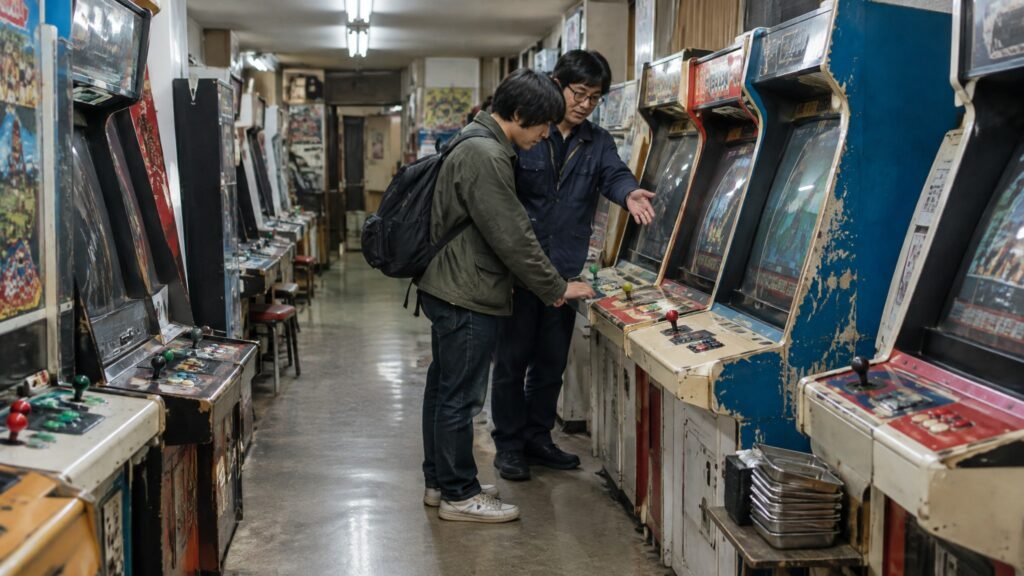
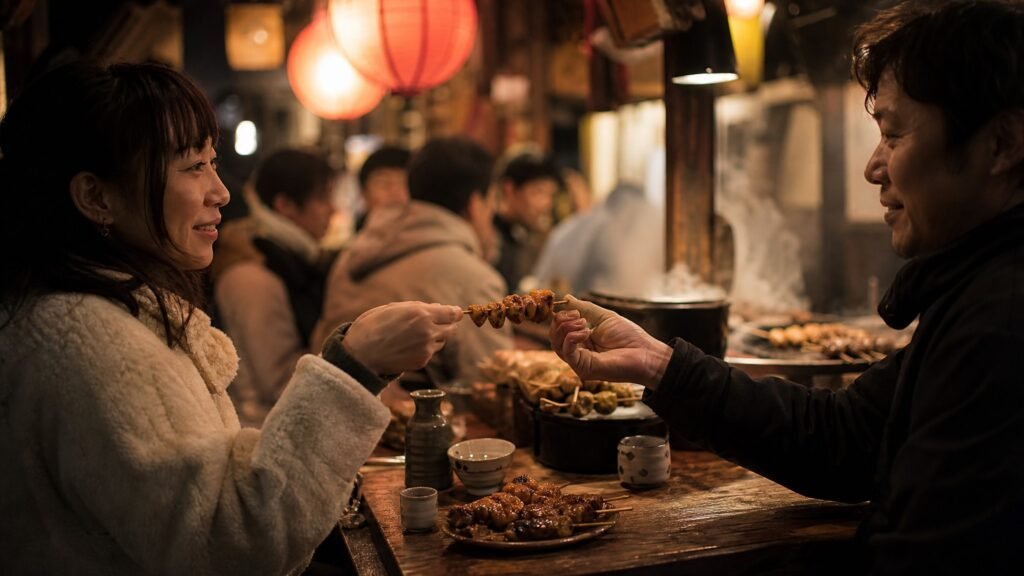
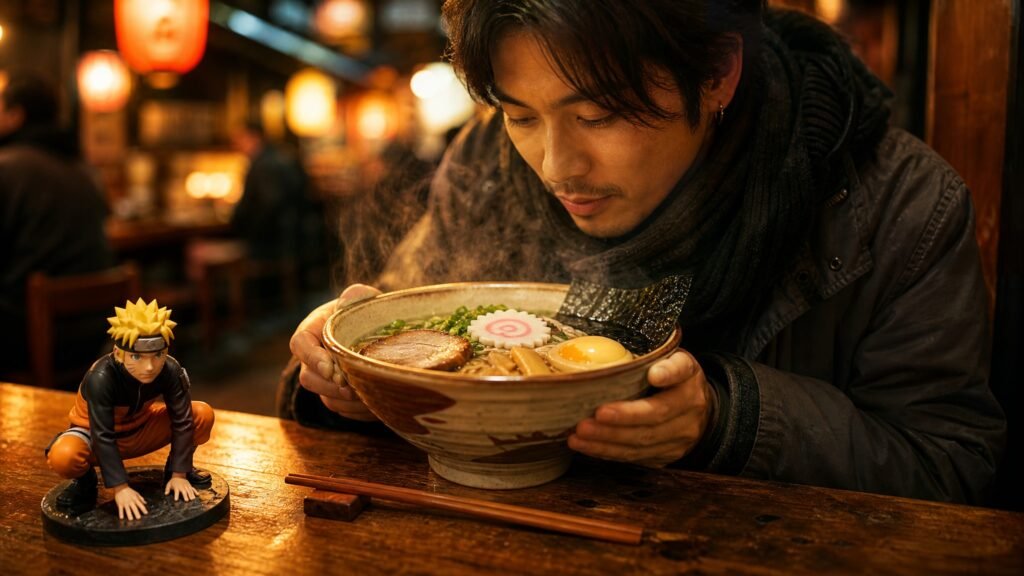
The most requested languages have the most competition for guides who speak them well. Specialties matter just as much. Food tours, anime and gaming outings and hiking days each draw on a smaller pool than general sightseeing, and a guide who knows one neighborhood deeply can only be in that neighborhood once a day.
Group size matters because it changes the day itself. A larger group needs different transport and different restaurant arrangements, and that narrows who can take it on. A small party is often easier to fit in.
You can widen your options by staying open on one or two of these. Perhaps you’d take a different neighborhood, or add a second interest to a day. Our guide to the questions to ask before you hire a private guide helps you work out which of your requirements are fixed and which can bend.
Weekdays, Weekends and Festival Days in Each City
Weekends fill ahead of weekdays almost everywhere, because that’s when both local and visiting travelers are free. If your schedule allows, a Tuesday often offers more choice than a Saturday.
Festivals then pull demand into particular neighborhoods on particular days. Tokyo’s Sanja Matsuri in Asakusa, held in May, and Kyoto’s Gion Matsuri, which runs through July, both concentrate crowds on set days. A guide for those areas can tighten quickly. Confirm each year’s festival dates when you plan, then add them to your list of anchors.
Festivals are a draw, not a drawback. They just ask you to decide sooner.
Shoulder and Quieter Months Leave More Room to Book
Outside the holiday clusters, guide calendars usually have more space. If your dates are flexible, the quieter windows between peaks give you more choice of guide, more choice of day and more time to shape the itinerary with us.
That doesn’t mean you can ignore booking altogether. A quiet month has fewer requests, not zero, and the guides who suit your specialty can still be taken. You’re simply less likely to be pushed into a second-choice day.
Rainy and Typhoon Season: Ask How a Guide Re-Routes
Rainy season and typhoon season are the quieter stretches for many travelers, and they leave guides with more open days. Weather is a reason to ask a question at the booking stage, not a reason to skip the trip.
Ask how your guide would re-route if the forecast turns. A good local guide has indoor options ready, such as markets, covered arcades, museums and cooking experiences, and can swap days around if a storm is coming. We’d rather you ask that up front than discover the answer on the day.
Last-Minute Requests and Flexible Dates
Sometimes plans come together late, and we do what we can. A private guide can sometimes be arranged on short notice, but it’s never a sure thing, and we’d rather say so now than let you hope.
What Short-Notice Booking Can Realistically Cover
Short-notice requests work best on weekdays and outside peak windows. A weekday in a quieter month gives us the most room, while a Saturday in blossom season gives us the least.
The most requested guides fill first. By the time a late request reaches us, the guide with the exact language and specialty you wanted may already be out. That’s why flexibility helps so much: if you can shift your start time, try a different neighborhood or shorten or lengthen the tour, you open up guides who would otherwise be out of reach.
An early decision helps just as much. If you send us a date window now and refine it later, we can hold the options in mind while you finish the rest of your planning. If you need a rough sense of budget before committing, here’s what private day tours in Tokyo typically cost.
Booking Your Private Tour in Japan: What to Send Us First
The faster you tell us what you need, the faster we can check who’s free. Here’s what to include in your first message:
- Dates or a date window. Exact days are ideal, but a range works.
- Group size. Include children and anyone who may join part of the day.
- Interests. Food, anime, gaming, hiking, culture, or a mix.
- Pace. Packed days, easy mornings, or somewhere in between.
- Mobility needs. Stairs, long walks and standing all shape the route.
- Preferred language. This often decides who’s available.
You don’t need a finished itinerary. Send us what you have and we’ll tell you honestly what looks open and what’s already tight.
If you’d like to see the steps first, how our private guide booking works walks through the process from first message to confirmed tour. Send us your dates today, and we’ll start checking guide availability for your window.
Frequently asked questions
What is the best time of year to visit Japan for weather?
Spring and autumn are the seasons most travelers rate best, with mild temperatures for walking and hiking. They’re also the months when guide calendars fill fastest, so book your private tour well before you fly. Quieter months give you more choice of guide.
Do I need a visa to travel to Japan?
It depends on your passport. Many nationalities can visit Japan for short tourist stays without a visa, but rules change, so check with Japan’s Ministry of Foreign Affairs or your local Japanese embassy before you book flights. We can’t advise on entry requirements, but your tour dates can stay flexible until you’ve confirmed yours.
Can women wear shorts in Japan?
Yes. Shorts are common in summer, and no rule stops you from wearing them. At shrines and temples, many visitors choose lighter layers that cover shoulders and knees as a sign of respect, so it’s worth packing one for those stops.
What if my dates aren’t fixed yet?
Send us a date window. We can check who’s free across it and tell you which days look tightest, so you can choose with real information. If your window touches a holiday, festival or blossom or foliage peak, give us the window early, since those weeks fill first.