Japan during Golden Week is extraordinary, and yes, that includes the crowds. But if you’re searching for golden week japan crowds when to visit, you’re already thinking smarter than most travelers. The difference between a chaotic, queue-filled holiday and a genuinely magical one comes down to timing, routing, and a few local insider moves. We’ve been running tours through this season for over 12 years, and we’re sharing everything we know right here.
What Is Golden Week in Japan? Dates and Why It Gets So Crowded
Golden Week Japan Dates: The Holiday Breakdown
Golden Week is Japan’s longest consecutive public holiday window, falling at the end of April and start of May each year. Four national holidays stack together to create it:
- Shōwa Day, April 29
- Constitution Memorial Day, May 3
- Greenery Day, May 4
- Children’s Day, May 5
When these fall close to weekends, Japanese workers gain a full week, sometimes longer, off work. Many companies encourage staff to take the intervening weekday, extending the break further. The seasonal festivals and crowd calendar for Japan reflects just how dominant this window is in the national travel year.
Why Golden Week Crowds Hit Differently in Japan
Japan has one of the most punctual and travel-hungry domestic populations on earth. Golden Week is the one time of year when tens of millions of Japanese people travel simultaneously, resorts fill, shinkansen sell out weeks in advance, and even rural towns see unusual foot traffic. Add a rapidly growing wave of international visitors, and you get the busiest travel period in the Japanese calendar, full stop.
The sheer simultaneity is what makes it intense. This isn’t a gradual tourist season, it’s a single surge.
Golden Week Crowd Forecast by Region: Tokyo, Kyoto, Osaka, and Beyond
Tokyo: Which Neighborhoods Feel the Squeeze
Tokyo absorbs Golden Week volume better than most cities simply because it’s so large. Still, certain pockets hit capacity quickly.
Shibuya is the most visible example, the crossing becomes almost impassable at peak afternoon hours. If you’re planning a full-day Shibuya itinerary, structure it around early morning or post-9 pm visits to the crossing itself.
Tokyo Disneyland and DisneySea are in a category of their own. Both parks routinely hit maximum capacity during Golden Week, with queue times for popular rides stretching beyond 200 minutes. If theme parks are on your list, read our Tokyo Disneyland vs DisneySea breakdown to decide whether Golden Week is the right moment.
Asakusa and Ueno also swell considerably, though early mornings remain workable. Harajuku’s Takeshita Street gets sardine-tight by midday.
Kyoto and Osaka: Where Crowds Peak and Why
Kyoto is the single most pressurized destination during Golden Week. The city’s compactness means crowd intensity is felt everywhere, but the worst spots are:
- Fushimi Inari Taisha: Thousands of visitors arrive for the famous torii gate tunnels, especially between 9 am and 4 pm.
- Arashiyama bamboo grove: Narrow paths amplify the crowd effect dramatically.
- Gion district: Manageable before 8 am or after 8 pm; overwhelming in between.
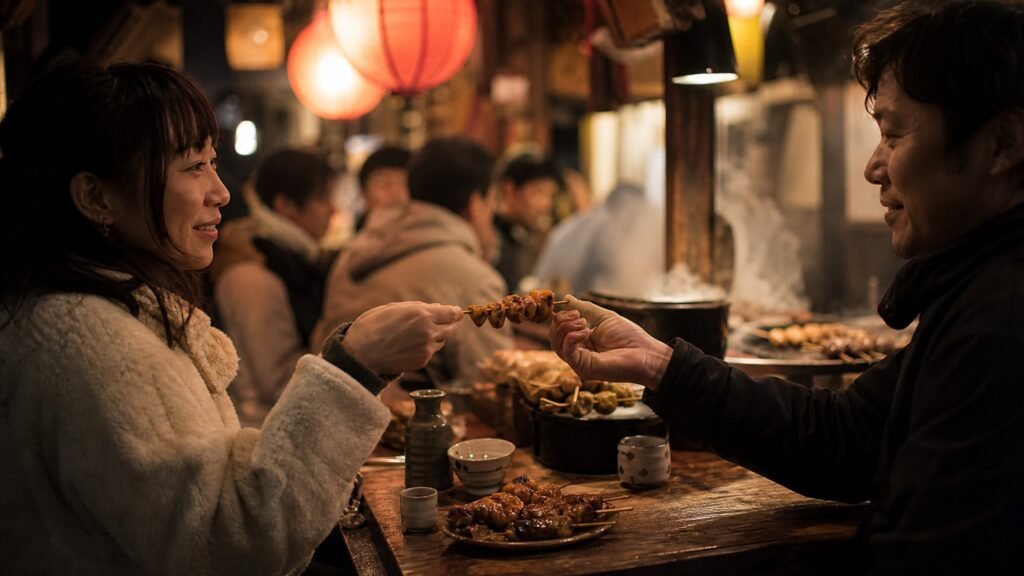
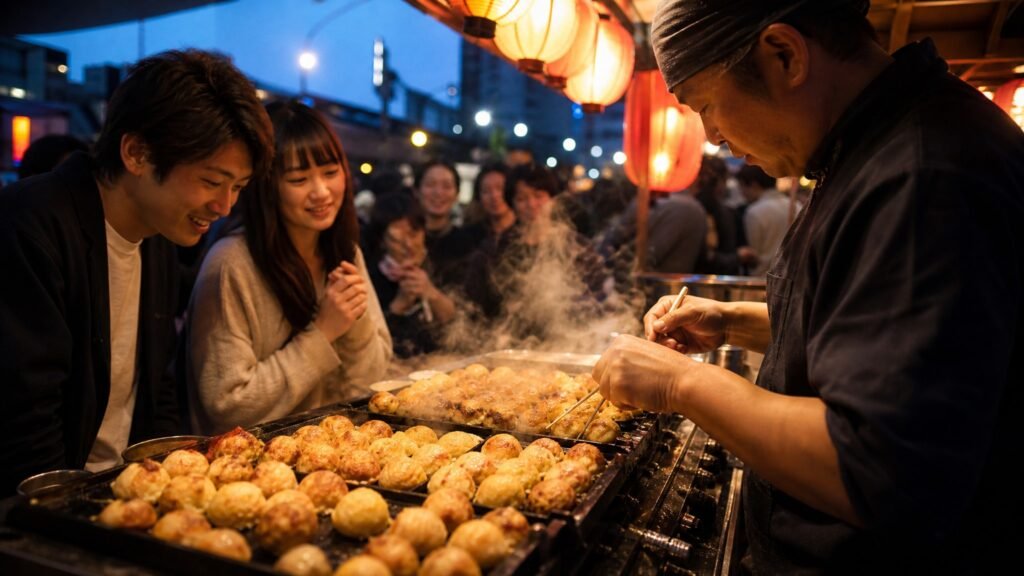
Osaka spreads its crowds more evenly. Dotonbori is genuinely packed every evening, but the Osaka street food scene is built for volume, vendors thrive in the festive energy and queues move quickly.
The Kyoto–Nara corridor sees the heaviest concentration of tourists mid-week (May 3–5). If a Nara day trip from Osaka or Kyoto is on your itinerary, going before May 3 or after May 5 makes a real difference.
The Worst Days and Spots to Visit During Golden Week Japan
Two travel days dominate the chaos: the outbound rush at the start of the holiday (the last weekend of April) and the return crush at the end (May 3–4). Japan Railways reports shinkansen seat reservations selling out weeks before Golden Week begins, with those two windows being the tightest travel days of the entire year. If you’re moving between cities, avoid those dates or book reserved seats the moment they open, typically one month in advance.
For avoiding crowds golden week, these are the spots to skip or time very carefully:
- Fushimi Inari at midday: Even arriving at 8 am isn’t enough on peak days. The gates are open 24 hours, which matters enormously.
- Arashiyama bamboo grove: Beautiful but almost unusable between 9 am and 5 pm during Golden Week.
- Tokyo DisneySea and Disneyland: Both parks regularly issue capacity warnings and pause entry on peak days.
- Nara deer park: Worth visiting, but May 3–5 brings a wall of visitors that stresses both the deer and the footpaths.
- Any major shinkansen hub without reserved seats: Standing in unreserved cars for hours is a real possibility if you travel during peak outbound/return days.
Late April, specifically April 29, is also the unofficial first surge day. If your itinerary includes cherry blossom season in Tokyo, note that late-blooming spots can overlap with Golden Week’s opening rush in certain years.
Insider Strategies to Beat the Golden Week Crowds
Timing Tricks: Early Mornings, Late Evenings, and Shoulder Days
After more than 12 years of running tours during Golden Week, our guides have learned that arriving at Fushimi Inari before 7 am is the single most reliable way to experience the torii gates in near-silence, even during the busiest holiday window of the year. That principle applies broadly:
- Before 7 am: Shrines, temple gardens, and bamboo groves belong almost entirely to you.
- After 8 pm: Kyoto’s Gion, Osaka’s Namba, and Tokyo’s Shibuya are all dramatically quieter and carry their own beautiful nighttime atmosphere.
- April 30 and May 1–2: These days sit between the opening rush and the peak May 3–5 window. They’re noticeably less intense, use them for your most popular destinations.
Booking and Logistics: What Our Local Guides Always Tell Clients
Book accommodation at least three months in advance for Golden Week. Two months is cutting it close, and last-minute is essentially impossible in Kyoto and Tokyo. The same applies to:
- Shinkansen reserved seats: Open one month before travel; book the morning reservations open.
- Restaurant bookings: Secure dinner reservations before you leave home. For lunch, identify convenience store alternatives, a 7-Eleven onigiri on a quiet bench often beats a 90-minute queue at a mid-range restaurant.
- IC cards (Suica/ICOCA): Load one before you travel or at the airport. Ticket windows at stations during Golden Week are slow, crowded, and avoidable.
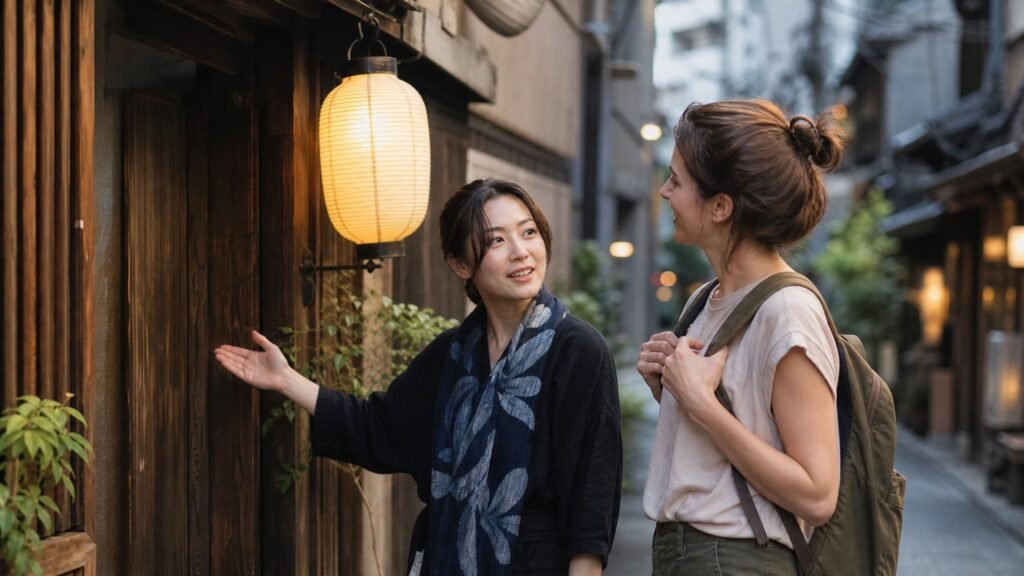
- Day tours: On our private day tours during Golden Week, we routinely route clients through Kyoto’s lesser-visited northern and eastern wards, places like Kurama and Kibune, where the temple atmosphere feels genuinely unhurried even when central Arashiyama is standing-room only. A private guided day tour in Kyoto lets a local guide make those routing calls in real time.
Alternative Experiences Worth Choosing Over the Usual Tourist Trail
Hidden Gems and Lesser-Known Destinations During Golden Week
The best crowd-avoidance move is a geographical one: leave the Kyoto–Osaka–Tokyo triangle.
Kanazawa, often called “little Kyoto”, sees a fraction of the foot traffic of its more famous cousin during Golden Week, yet offers the same combination of preserved geisha districts, samurai neighborhoods, and world-class seafood at Omi-cho market. The Kenroku-en garden is genuinely pleasant to walk at a normal pace, which is more than can be said for Arashiyama in May.
Matsumoto in the Japanese Alps draws far fewer visitors than its UNESCO-class castle deserves. The surrounding mountains and craft sake scene make it a deeply satisfying detour.
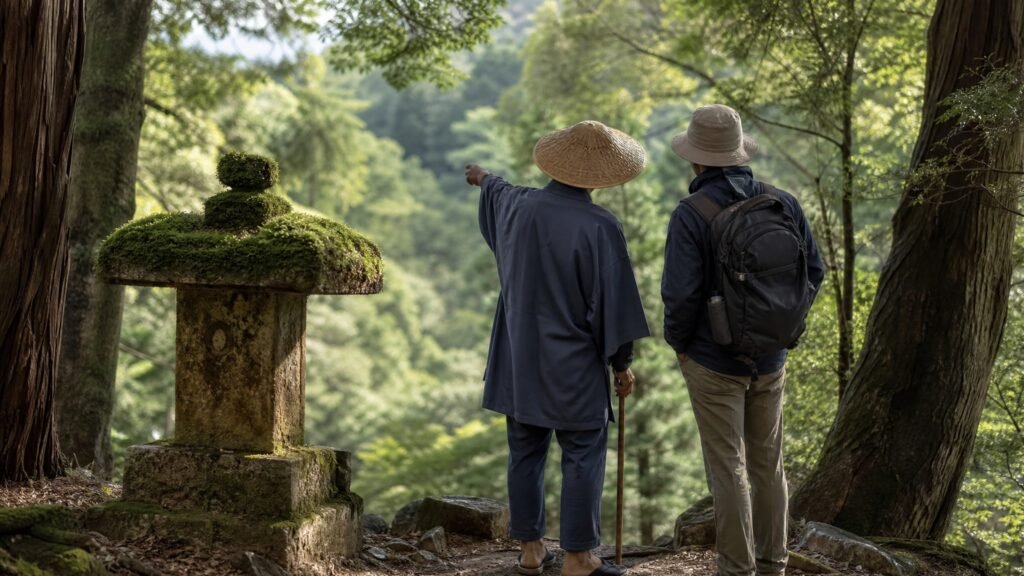
Rural Wakayama, particularly the Kumano Kodo pilgrimage trails, offers a sharp contrast to the holiday noise. Walkers are few, the cedar forests are ancient, and the onsen towns along the route feel like Japan at its most unhurried.
Food, Markets, and Cultural Events That Thrive in the Holiday Buzz
Not everything about Golden Week crowds is a problem to solve. Some experiences genuinely benefit from the festive energy.
Hakata Dontaku in Fukuoka (May 3–4) is one of Japan’s largest street festivals by attendance. Because it draws crowds locally to Fukuoka, it noticeably frees up Kyoto and Nara on those same days, making it a genuine win-win for travelers willing to head west. The parade and street performances are spectacular and deeply local.
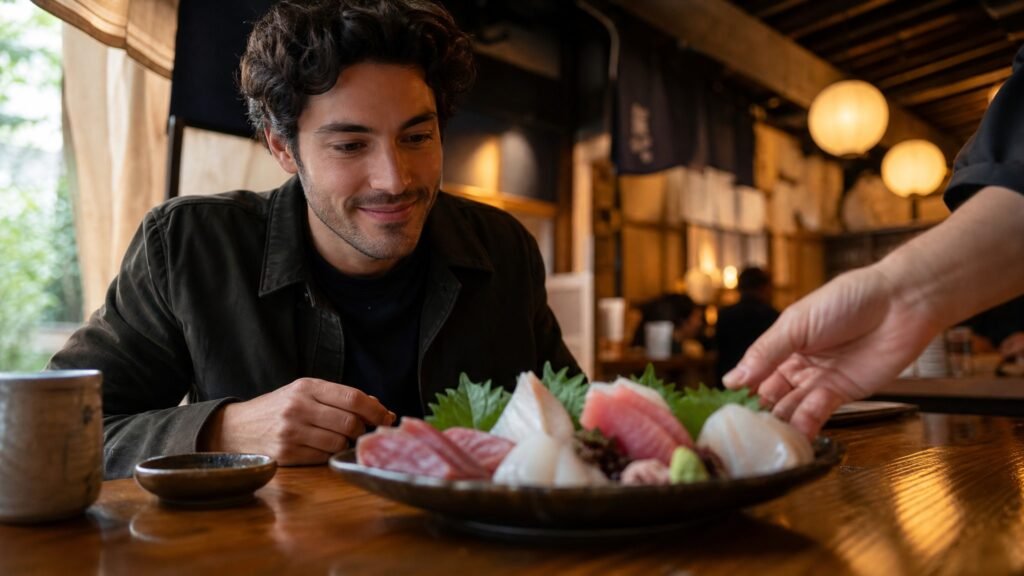
Tsukiji outer market in Tokyo rewards very early risers. Arriving before 7 am for fresh sushi breakfast is one of the great Golden Week moves, the market vendors are energized by the holiday season, the seafood is exceptional, and the queues haven’t built yet. Our guide to an early-morning Tsukiji market visit walks you through the logistics.
Local neighborhood festivals (matsuri) pop up across Japan during Golden Week. Many are small, hyperlocal, and completely off the tourist radar, but they’re where Japanese families actually spend their holidays. Ask your hotel or guide what’s happening within a 30-minute radius.
Is Golden Week Japan Worth It? Our Honest Take
Honestly? Yes, with the right expectations and the right plan.
The chaos is real. Trains are packed, popular shrines are shoulder-to-shoulder, and booking accommodation requires planning months ahead. We’re not going to pretend otherwise.
But Golden Week also has an energy that Japan simply doesn’t have at other times of year. The whole country exhales at once. Families are out in force, festivals erupt in neighborhoods you’d never expect, and there’s a warmth and communal joy in the air that’s genuinely hard to replicate in quieter seasons. Experiencing Japan when Japanese people are celebrating Japan is its own kind of privilege.
The travelers who struggle during Golden Week are those who follow the standard tourist itinerary without adjustment. The ones who love it have an insider routing strategy, a few timing tricks up their sleeve, and the flexibility to go where the crowds aren’t.
We’ve spent over 12 years building exactly that kind of knowledge, and we’d love to put it to work for you. If you’re planning a trip around Golden Week 2027, get in touch with our team. We’ll design a crowd-smart, deeply local Golden Week experience that skips the queues and finds the Japan most visitors never see.