Ramen in Tokyo isn’t just a meal. It’s a whole culture built around tiny counters, decades-old broth recipes, and shop owners who barely need a menu because regulars already know what to order. Walk into most neighborhoods on your own and you’ll find plenty of ramen. But you’ll likely miss the shops that locals actually queue up for. That’s where a Tokyo ramen tour with a local guide changes the whole experience.
Why Take a Tokyo Ramen Tour With a Local Guide
Anyone can find a “top 10 ramen in Tokyo” list online. What those lists can’t do is get you a seat at a six-counter shop with no English menu, no online reviews, and no patience for tourists who don’t know the drill. A local guide can.
Our local guides have spent over 12 years building relationships with ramen shop owners across Tokyo’s back-alley neighborhoods. That’s how we get you seated at counters that don’t take reservations or have English menus. It’s not about knowing the best-rated shop. It’s about knowing the owner.
What a Guided Ramen Tasting Tour Actually Looks Like
A guided ramen tasting tour usually moves through two or three shops in one outing. Each stop is chosen for a different broth style or neighborhood character. You’re not sitting through a full bowl at every stop. You’re tasting, chatting with your guide about what makes each broth distinct, and moving on before you’re too full to enjoy the next one.
Along the way, your guide explains what you’re eating and why it’s made that way. That context is the difference between an authentic ramen experience in Tokyo and just eating noodles somewhere unfamiliar.
Hidden Ramen Shops You Can’t Find Alone
Tokyo has thousands of ramen shops. Some neighborhoods pack dozens of distinct styles within walking distance of a single station. Sort through that on your own, with no Japanese and no local knowledge, and you’ll likely settle for whichever shop has an English sign and a picture menu.
Hidden ramen shops in Tokyo tend to hide in plain sight: a curtain-covered doorway, a counter with no English sign, a line of salarymen who clearly know something you don’t. A guide who’s eaten there for years can walk you straight past the guesswork.
Best Ramen Neighborhoods in Tokyo: A Local Guide
Tokyo’s ramen scene isn’t one thing. It shifts style and personality block by block. A neighborhood guide built around a guide’s own habits looks a lot different from a generic list of “top rated” shops.
Shinjuku’s Omoide Yokocho (Memory Lane)
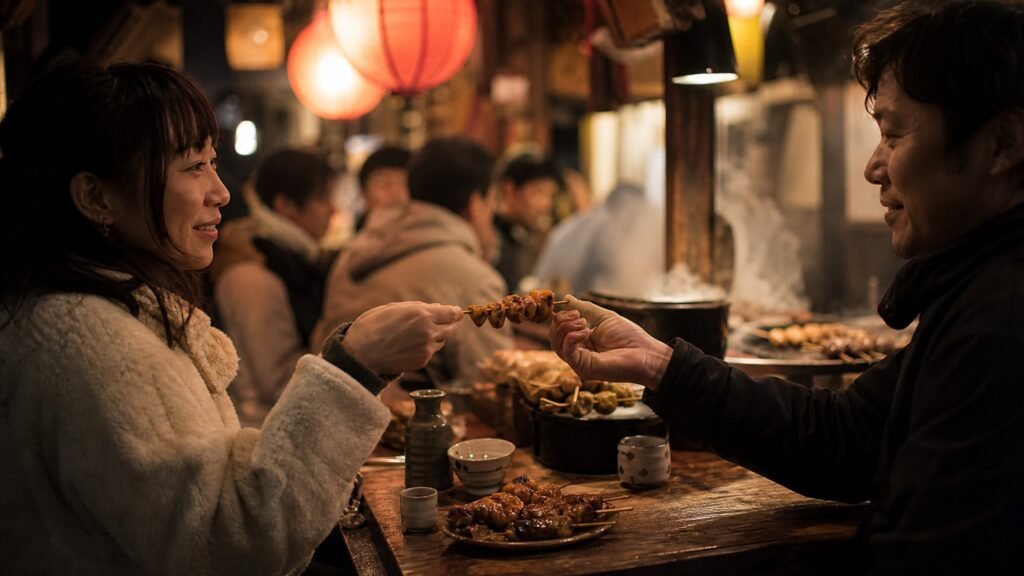
Omoide Yokocho, Shinjuku’s famous “Memory Lane,” is a tangle of narrow alleys packed with yakitori grills and tiny ramen counters. It survived postwar Tokyo and still feels like it. Some of the stalls here seat only six people. A guide who knows the owner is often the difference between eating there and being turned away at the door.
This is a great starting point for anyone curious about ramen alley culture in Tokyo. It packs a lot of atmosphere into just a few narrow streets.
Ogikubo, Ikebukuro & Other Local Favorites
Ogikubo has a reputation among ramen enthusiasts for shoyu-style broths with deep, clear flavor, built up over decades by specialist shops. Ikebukuro, meanwhile, is known for tonkotsu specialists that rarely appear on English-language “best ramen” lists. They don’t need the tourist traffic to stay busy.
Other pockets worth knowing include quieter residential neighborhoods where a single shop has quietly built a local following for 30 or 40 years. A neighborhood guide can point you toward these kinds of best ramen restaurants in Tokyo. A search engine usually can’t.
Meet the Local Ramen Masters Behind Tokyo’s Best Bowls
Behind almost every great bowl of ramen in Tokyo is someone who has spent years, sometimes decades, refining one recipe. Many shops are run by second- or third-generation owners who inherited both the business and the broth technique from a parent or grandparent.
Broth simmering times can stretch anywhere from a few hours to well over a day, depending on the style and the shop’s tradition. Some owners still hand-pull or hand-cut their noodles daily, timing the batch so it’s fresh for lunch service and again for dinner. Others source specific flours or water to keep a decades-old flavor consistent, batch after batch.
This is the heart of Tokyo’s ramen culture: not spectacle, but quiet, repeated craft. A shop owner who’s simmered the same pork bone broth for 20 years isn’t chasing trends. They’re protecting a standard. Guests who get to talk with these owners, even briefly, usually walk away understanding ramen differently than they did an hour earlier.
Tonkotsu, Shoyu, Miso & Seasonal Ramen: What to Order
Not all ramen is built the same way, and knowing the basics makes ordering far less intimidating.
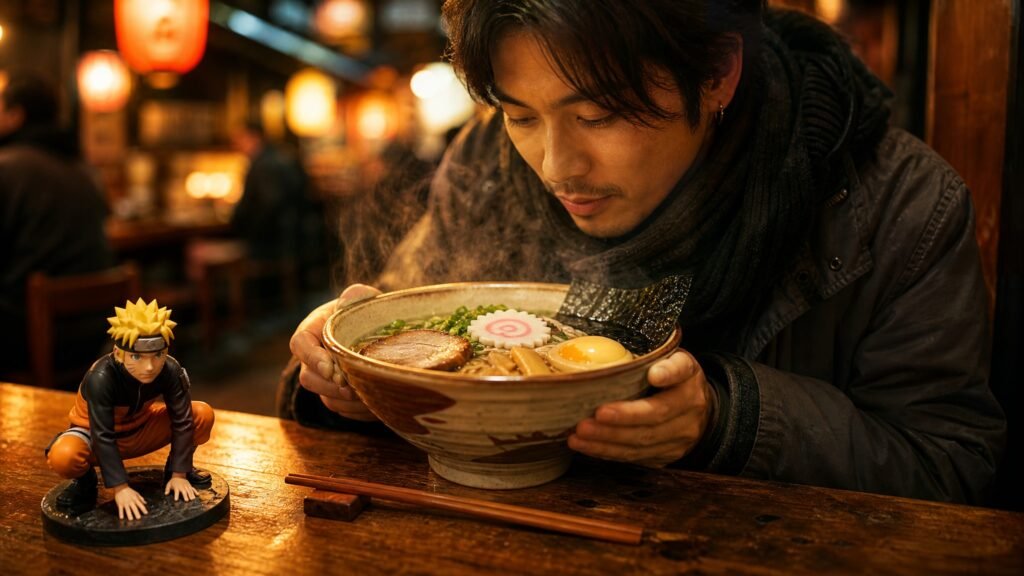
Tonkotsu is a pork bone broth, simmered for hours until it turns rich, cloudy, and almost creamy. Shoyu ramen uses a soy-sauce-based broth that’s usually lighter and clearer, with a savory, slightly salty edge. Miso ramen actually developed in Japan’s north. It brings a heartier, slightly sweet, fermented flavor that works well in colder months.
Best Tonkotsu Ramen in Tokyo
Some of the best tonkotsu ramen in Tokyo comes from shops that simmer their broth for a full day or longer, breaking down pork bones until the liquid turns thick and almost silky. The result is a broth with real body, usually paired with thin, firm noodles that hold up against it. A guide who’s tracked which shops still simmer the traditional way, rather than shortcutting with additives, can steer you toward the real thing.
Seasonal & Specialty Bowls Worth Seeking Out
Many shops rotate limited-edition bowls through the year: a cold ramen in summer, a richer, spicier broth in winter, or a seasonal topping like fresh bamboo shoots in spring. These specialty bowls often only run for a few weeks. They rarely make it onto English menus at all.
This is one of the clearest reasons a guided tour beats going it alone. A guide who’s checked in with shop owners recently knows what’s currently in rotation, so you’re not stuck ordering last year’s special by accident.
Ramen Etiquette and Ordering Tips for Visitors
Most ramen shops in Tokyo run on a ticket machine near the entrance. You choose your bowl and toppings on the machine, pay there, and hand the ticket to staff at the counter. Some older shops still take cash only, so it’s worth carrying yen even if you’ve been getting by on cards elsewhere in the city.
Counter seating is the norm, and shops expect you to eat, pay, and move on fairly quickly, especially during lunch rush. Slurping your noodles isn’t rude here. It’s normal, and some say it even helps cool the noodles and pull in aroma as you eat.
For a deeper walkthrough of ordering, seating, and table manners, the full ramen etiquette guide covers it in detail. If you’re keeping plant-based, it’s worth checking out options for vegetarian ramen shops in Tokyo, since not every counter can accommodate that on the spot. And if your trip includes an evening out drinking and grazing, izakaya ordering etiquette follows a similar logic: watch first, order fast, and don’t overstay your welcome at a small counter.
Booking Your Guided Ramen Tasting Tour in Tokyo
A guided food tour built around Tokyo ramen typically includes stops at two or three shops chosen for contrast: maybe a decades-old tonkotsu counter, a shoyu specialist tucked into a quiet side street, and a stall in an atmospheric alley like Omoide Yokocho. Your guide handles ordering, explains what’s in each bowl, and shares context on the neighborhood and the shop’s history along the way.
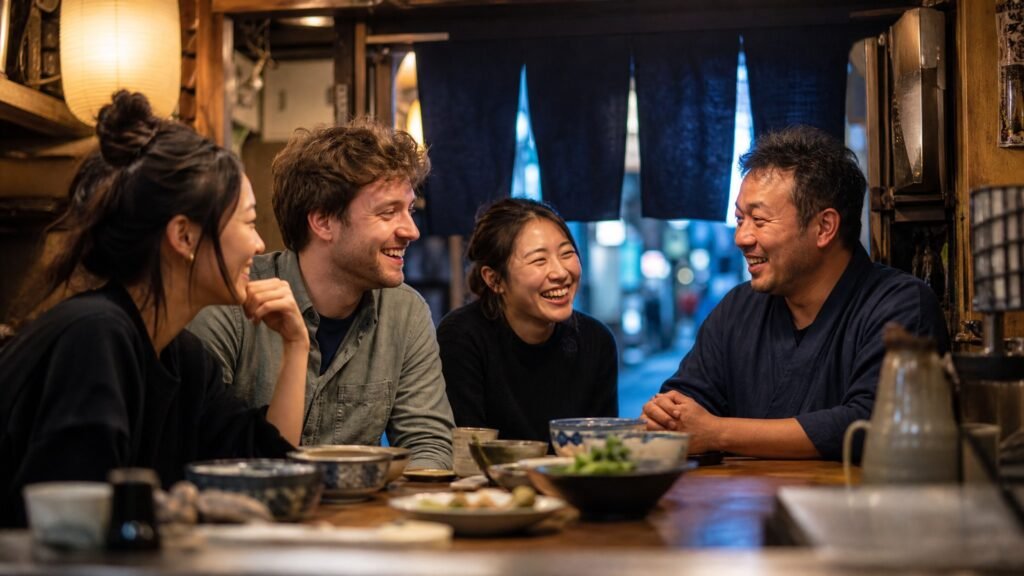
We design our ramen tasting tours in small groups so guests can actually talk with shop owners and ask about their broth-making process. That’s nearly impossible on a big bus tour, where you’re one face in fifty and the counter can’t seat you all anyway.
This format works well for first-time visitors who want to skip the guesswork. It also suits food-focused travelers who want real context rather than just a photo op, and anyone who’s tried researching Tokyo ramen online and found the lists a little too generic to be useful. Going alone means you might land on a fine bowl. Going with a guide means you’re more likely to land on a memorable one, in a shop you’d never have found on your own.
If your trip extends beyond Tokyo, the same small-group approach carries over to our Kyoto food tour with a local guide and the Osaka food tour with a local guide. It also pairs well with a broader look at washoku Japanese cuisine experience traditions or a morning at the Tokyo fish market tour.
If you’re ready to trade the guesswork for a guide who already knows the owners, book your spot on Washoku Club City’s small-group Tokyo ramen tour and come taste the city the way its regulars do.