If you’ve ever typed “Michelin star restaurants Tokyo” into a search bar, you’ve probably landed on the same recycled lists of ten famous names and their nightly prices. That’s useful, but it only tells half the story. We wrote this michelin star restaurants Tokyo guide from the other side of the counter. We’re locals who book these tables, sit at them, and explain them to guests all year round.
Our local guides at Washoku Club City have spent over 12 years helping visitors navigate Tokyo’s dining scene, from casual ramen counters to reservation-only kaiseki rooms. So this isn’t just a ranked list. It’s the context we wish every guest had before their first big Tokyo meal.
Why Tokyo Has More Michelin Stars Than Any City on Earth
Tokyo has held the title of the city with the most Michelin-starred restaurants in the world for years running. That’s not a fluke of tourism marketing. It reflects the sheer density and diversity of the city’s culinary craftsmanship.
Walk down almost any backstreet in Tokyo and you’ll find a restaurant with eight seats, one specialty, and a chef who has spent decades perfecting it. Tokyo’s food culture rewards narrow, obsessive focus over broad menus. A restaurant might serve nothing but eel, or nothing but soba, for generations.
What Makes a Restaurant Earn a Star in Japan
Michelin inspectors judge food quality first: technique, ingredients, consistency, and value for what’s on the plate. But in Japan, that technical bar sits on top of something deeper. It’s called shokunin spirit, the craftsman’s lifelong dedication to a single skill.
A sushi chef training for a decade before touching fish isn’t unusual here. Neither is a tempura cook who fries in a specific oil blend passed down from a mentor. It’s expected. That’s part of why a one-star restaurant in Tokyo can feel just as exacting as a three-star one elsewhere.
Most online guides stop at star counts and price tags. We think the real value is in understanding what you’re walking into, and why it matters culturally, before you ever sit down.
Best Michelin Starred Restaurants Tokyo Locals Actually Recommend
Restaurant prices and availability shift constantly, so naming specific names is less useful than thinking in categories. The best michelin starred restaurants Tokyo has to offer tend to cluster around three specialties: sushi, kaiseki, and tempura. Each one asks something slightly different of a diner.
There’s also a real difference between a one-star neighborhood gem and a three-star icon. One-star spots are often family-run. They seat a handful of guests and focus on one technique done extremely well. Three-star restaurants tend to be more theatrical, with longer courses and a wider range of ingredients across a single seating.
Sushi Michelin Restaurants Tokyo Worth the Splurge
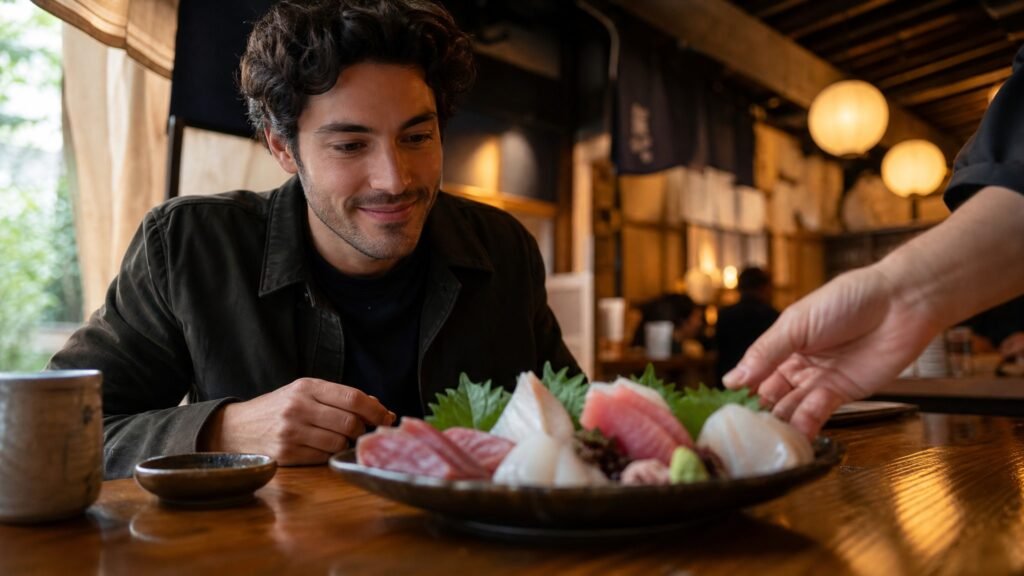
Sushi Michelin restaurants in Tokyo are usually built around an omakase format, where the chef chooses each piece for you in sequence. You don’t order; you trust. The pacing matters as much as the fish itself, since each piece is meant to be eaten within seconds of being placed in front of you.
For first-timers, a smaller sushi counter with one star can actually be a gentler introduction than a famous three-star name. You’ll get more of the chef’s attention, and often a clearer sense of the seasonal fish being served that week.
Kaiseki and Tempura Michelin Star Tokyo Picks
Kaiseki Michelin restaurants in Tokyo build a meal in courses, moving from delicate raw dishes through simmered, grilled, and finally rice-based ones. It’s less about any single showstopping dish and more about balance across the whole sequence. Think of it as a curated tasting journey rather than a menu of separate plates.
Tempura Michelin star Tokyo restaurants, meanwhile, focus almost entirely on frying technique. The best ones fry each piece to order, right in front of you, adjusting oil temperature and batter thickness for every single ingredient. It’s a quieter, more meditative meal than most people expect from fried food.
If you want to understand the deeper philosophy behind these courses, understanding washoku, Japan’s traditional cuisine is a good place to start before your trip.
How to Book Michelin Star Tokyo Restaurants as a Visitor
This is where most visitors get stuck, and it’s the part generic listicles skip over entirely. Many Michelin-starred sushi and kaiseki counters seat fewer than ten guests a night. That’s why reservations often open one to three months in advance and fill quickly.
Some restaurants only take bookings by phone, in Japanese, on a specific day of the month. Others require a credit card hold or a deposit, with strict cancellation policies. A handful still don’t accept first-time visitors at all without an introduction from an existing guest or hotel.
Michelin Guide Tokyo Reservations: Timing and Tools
If you’re chasing Michelin Guide Tokyo reservations yourself, start by locking your dates as early as possible. Once you know your travel window, book your top-choice restaurants first since the smallest, most talked-about counters go fastest.
Reservation apps and restaurant websites have improved a lot in recent years, and some now offer English-language booking directly. Even so, many of the most sought-after tables still rely on phone calls, waitlists, or connections that aren’t listed publicly anywhere.
When to Use a Concierge or Local Guide Instead
Hotel concierges can help, especially at higher-end properties with existing restaurant relationships. But not every visitor is staying somewhere with that kind of pull, and concierge success really depends on which hotel you’re in.
This is exactly the gap a local guide can fill. Instead of gambling on a cold call in a language you don’t speak, a guide who already has relationships with these kitchens can secure the table and walk you through what to expect once you’re seated.
Fine Dining Etiquette in Japan Every Guest Should Know
Fine dining etiquette in Japan isn’t about memorizing a rigid rulebook. It’s about understanding that these small, intimate rooms run on quiet respect between guest and chef. A few habits go a long way toward showing you get it.
Local guides often note that the biggest surprise for first-time visitors isn’t the food itself. It’s the quiet, ritualized pacing of a kaiseki meal compared to Western fine dining. Meals move slower, conversations stay lower, and each course arrives on the chef’s timeline, not yours.
Before You Sit Down
Arrive on time, or even a few minutes early. Many of these restaurants run on tightly timed seatings. Lateness can throw off the whole evening for other guests as well as the kitchen.
Skip strong perfume or cologne, especially before a sushi meal. Scent competes directly with the delicate aromas of fish and rice, and it’s considered inconsiderate at a serious sushi counter. Dress code expectations lean smart-casual to formal. Jeans are usually fine if paired with a proper shirt or blouse, but shorts and flip-flops are not.
At the Counter or Table
Ask before taking photos, and avoid flash entirely. Some chefs are happy to have their work photographed; others find it disruptive, particularly at a busy sushi counter.
Let the chef set the pace rather than rushing through courses. If you’re seated at the counter, it’s fine to ask questions about ingredients, but save longer conversations for between courses rather than while a dish is being placed.
Tipping is not expected at Michelin-starred restaurants in Tokyo, or anywhere in Japan. Service is already built into the price, and leaving extra cash on the table can actually cause confusion rather than gratitude. A sincere thank-you to the chef on your way out means far more than a tip ever would.
For a broader sense of everyday norms outside fine dining, general dining etiquette basics in Japan cover the more relaxed side of the spectrum, like izakayas.
Affordable Michelin Star Dining Tokyo: Prestige Without the Price Tag
A common misconception is that Michelin-star dining in Tokyo always means a splurge on the scale of a special-occasion trip. Affordable Michelin star dining in Tokyo is absolutely possible, if you know where to look and when to go.
Lunch omakase or kaiseki sets at Michelin-starred restaurants can cost a fraction of the dinner price. That makes midday visits a popular way to experience top-tier cooking more affordably. The chef, the ingredients, and often much of the same skill go into a lunch seating.
Lunch Sets and One-Star Neighborhood Spots
Booking lunch instead of dinner is the single easiest way to bring the cost of a Michelin meal down. Portions may be slightly smaller and the course count shorter, but the technique on display is identical to what you’d get in the evening.
One-star neighborhood restaurants, and Michelin’s Bib Gourmand picks for excellent value, are also worth serious attention. These are often family-run spots that have specialized in one dish, like tempura or soba, for decades. They deliver genuine craftsmanship without the ceremony, or price, of a flagship three-star room.
Turning a Michelin Meal Into a Tokyo Luxury Food Tour Experience
A single Michelin dinner can be a wonderful highlight of a Tokyo trip. But it tells you only one note in a much bigger meal that the city has to offer. A Tokyo luxury food tour experience works best when it stitches together several layers: the elevated, the everyday, and everything in between.
Think of a Michelin sushi counter alongside a morning at the market where that fish actually came from. Visiting the Tsukiji and Toyosu fish markets gives real context to the seafood you’ll later see served with such precision at the counter.
Pairing Fine Dining With a Guided Food Journey
The most memorable food trips we build for guests usually mix a splurge meal with plenty of casual eating around it. That might mean pairing it with a Tokyo ramen tour, an evening exploring izakayas, or a walk through a neighborhood market. Guests who want to plan the whole arc, from street food to a Michelin table, often start by planning a full Tokyo food tour itinerary.
And if you’re traveling with dietary restrictions, that doesn’t mean skipping the culinary side of Tokyo altogether. Vegetarian-friendly food touring in Tokyo covers how to eat well across the city without the guesswork.
Booking a Michelin-starred table in Tokyo yourself is possible, but it takes patience, timing, and sometimes a bit of Japanese. If you’d rather skip the guesswork on reservations and etiquette, our team at Washoku Club City can arrange the table, brief you on what to expect, and build the rest of your food itinerary around it. That’s what local guides are for: turning one great meal into a trip you’ll actually remember.