Stepping into a Tokyo bar for the first time can feel like entering a secret society where everyone knows the password except you. The shelves glow with hundreds of beautiful bottles, the menu is written entirely in kanji, and the unspoken rules of etiquette hang heavy in the air. We believe a sake tasting tour in Tokyo should unlock this world, not leave you guessing at the counter. We’ve spent over 12 years leading food and cultural tours across Japan, connecting international guests with local artisans and hidden neighborhood gems, so you never have to drink alone or confused.
A guided sake tasting experience in Tokyo offers far more than alcohol. It’s a cultural bridge that turns an intimidating beverage list into a story of rice, water, and craftsmanship. You deserve to taste the difference between a crisp Niigata brew and a rich Hiroshima style without needing a degree in fermentation science. Our goal is to turn your curiosity into confidence, so every sip connects you to the people and places behind Japan’s national drink.
Why Join a Guided Sake Tasting Experience in Tokyo?
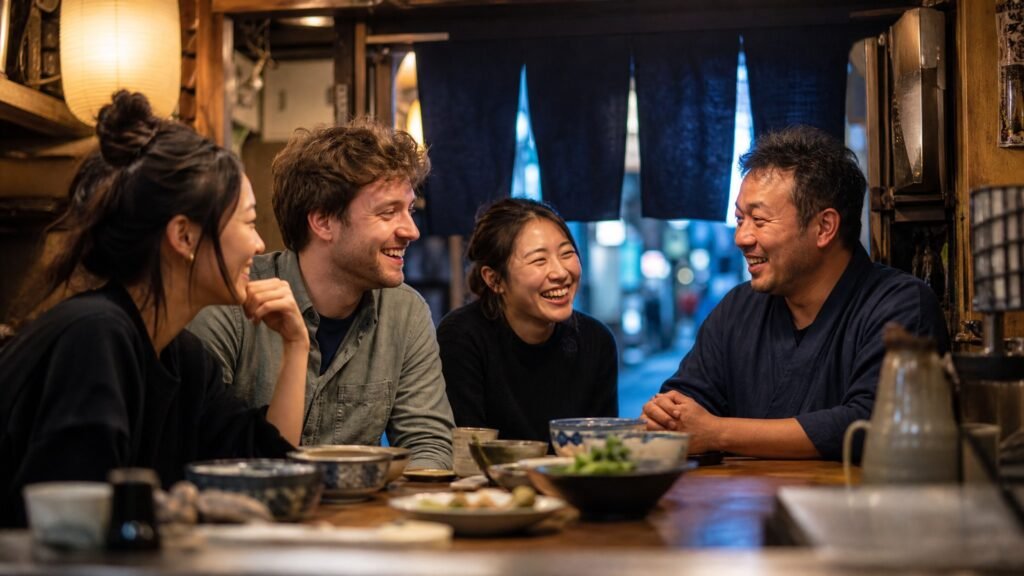
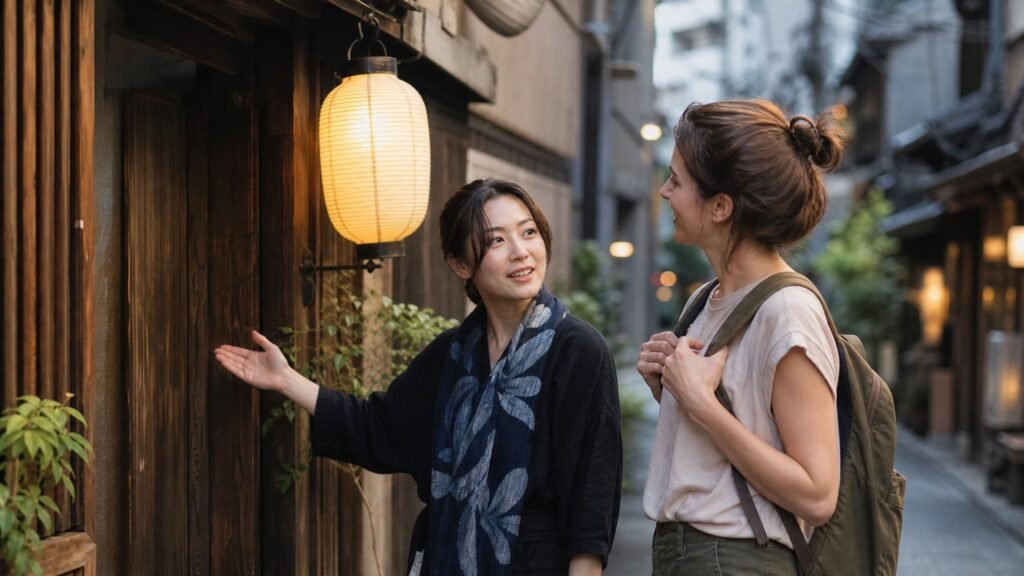
Tokyo is home to thousands of licensed sake retailers and izakaya, yet most English-language resources cover fewer than fifty well-known establishments. That gap means independent travelers often cycle through the same tourist-friendly venues, missing the family-run standing bars and specialist shops that define real sake culture here. A local guide doesn’t just translate words. They translate entire atmospheres, opening doors to spaces with no English signage, where the owner might only speak to regulars.
Navigating Language Barriers and Hidden Gems
Reading a sake label takes specialized vocabulary that even fluent Japanese speakers sometimes lack. That’s why a sake tour with a local guide matters for real discovery. We take you past the glossy tourist traps and into narrow alleyways, where century-old shops serve unpasteurized namazake straight from wooden fermentation tanks, an experience you rarely get without a local introduction. These are the moments that turn a night out into a core memory, and they don’t show up on standard travel apps or generic blog lists.
Your guide works as both translator and cultural ambassador, smoothing over the hesitation that keeps many visitors outside the door. You’ll learn to read the subtle cues of a shop’s specialty, whether it leans toward aged koshu or fresh seasonal releases, without ever feeling lost in translation.
Cultural Context You Cannot Get from a Menu
Our guides believe sake appreciation comes down to personal preference and food harmony, not memorizing polishing ratios or technical specs. When you join us for a nihonshu tasting in Tokyo, we explain why a particular brewery uses soft water from a specific mountain spring, and how that choice reflects centuries of regional identity. This kind of story turns a beverage into a conversation starter with locals who appreciate your genuine interest in their craft.
Without that context, you might order the most expensive bottle on the menu and miss the humble table sake the owner actually drinks after work. We want you to find your own favorite, not just the one with the fanciest label.
Best Tokyo Neighborhoods for Authentic Nihonshu Tasting
Where you drink matters as much as what you drink, because each district carries its own rhythm and history. A traditional sake experience in Japan feels completely different depending on whether you’re standing shoulder-to-shoulder in a historic merchant quarter or sliding onto a worn velvet stool in a retro suburb.
Asakusa: Traditional Breweries and Old-Town Charm
Asakusa remains the spiritual heart of Tokyo’s brewing history. Here, you can taste unpasteurized namazake directly from century-old breweries that still use wooden fermentation tanks. The area specializes in robust, rice-forward styles that pair naturally with the sweet-savory soy glazes found in old-town cooking. You can easily combine an afternoon here with visits to hidden temple gems near sake districts before settling in for an early evening tasting session.
The pace here is slower and more reverent, giving you room to appreciate the continuity that modern development has spared. Many shops in Asakusa have served the same families for generations, and they welcome respectful guests who want to understand their legacy.
Shinjuku and Koenji: Modern Izakaya Culture and Retro Vibes
Shinjuku’s labyrinthine alleyways offer a high-energy contrast, with neon lights illuminating tiny bars that seat only six people at a time. Koenji brings a different flavor entirely, with vintage clothing stores and live music venues drawing a younger crowd hunting rare microbrewery sakes alongside punk rock records. An Asakusa sake bar tour feels like stepping back in time; a Shinjuku sake tasting pulses with contemporary creativity and experimental brewing.
These neighborhoods show how sake evolves without losing its soul. Tradition and innovation coexist happily in Tokyo’s drinking scene, and you’ll find bartenders here blending classic technique with modern sensibility, creating pairings that surprise even seasoned drinkers.
Understanding Sake Types and Tasting Techniques
Guides to sake types often overwhelm beginners with milling percentages and yeast strain numbers that mean nothing until you actually taste the liquid. We teach through sensation and comparison instead, helping you build a personal vocabulary based on what your tongue tells you rather than what the textbook says.
Decoding Junmai, Ginjo, and Daiginjo for Beginners
Junmai typically has a fuller body and richer umami, since it uses only rice, water, koji, and yeast, with no added distilled alcohol. Ginjo and Daiginjo styles go through higher polishing rates that remove the outer layers of the rice grain. That gives them lighter textures and more pronounced fruity or floral aromatics, which tends to appeal to wine drinkers. Choosing between junmai, ginjo, and daiginjo comes down to whether you want savory depth or elegant fragrance, not which category sounds more prestigious.
This framework gives you enough structure to navigate any menu without getting stuck on technical details. You’ll quickly find that your own preference matters far more than the official classification.
How to Taste Like a Local: Aroma, Texture, and Temperature
Proper tasting means checking color and clarity, inhaling gently to pick up aromatic notes, and letting the liquid coat your tongue to judge texture and finish. Locals adjust serving temperature on purpose: chilling sharpens crispness, while warming brings out hidden sweetness and complexity in richer styles. A good introduction to sake for beginners in Japan always includes this thermal exploration, showing how the same bottle changes when served at room temperature versus lightly warmed.
Hold the glass by the stem or base to avoid transferring body heat, especially with delicate ginjo styles that lose their nuance if overheated. Your guide will show you these small adjustments that make a real difference in what you taste.
Perfecting Sake Pairing with Japanese Food
Generic advice claiming sake pairs with everything misses the nuance: specific styles lift specific dishes, while others clash badly. A proper sake and Japanese food pairing session teaches you to match intensity with intensity and pair contrasting flavors, rather than defaulting to safe assumptions.
Matching Regional Sakes with Local Seasonal Dishes
Coastal regions produce crisp, mineral-driven sakes that cut through the salt of fresh seafood and lift its briny umami without overwhelming delicate textures. Inland areas tend toward richer, earthier brews built to stand up to simmered root vegetables and miso-based stews common in mountain cuisine. If you want to see how drinks fit into a full day of eating, our comprehensive Tokyo food tour itinerary walks through these regional connections across multiple meals.
Seasonality shapes availability too. Many breweries release special batches timed to harvest festivals or cherry blossom viewing parties, and drinking what’s locally current creates a harmony that imported or year-round products can’t match.
Izakaya Classics: Yakitori, Sashimi, and Pickles
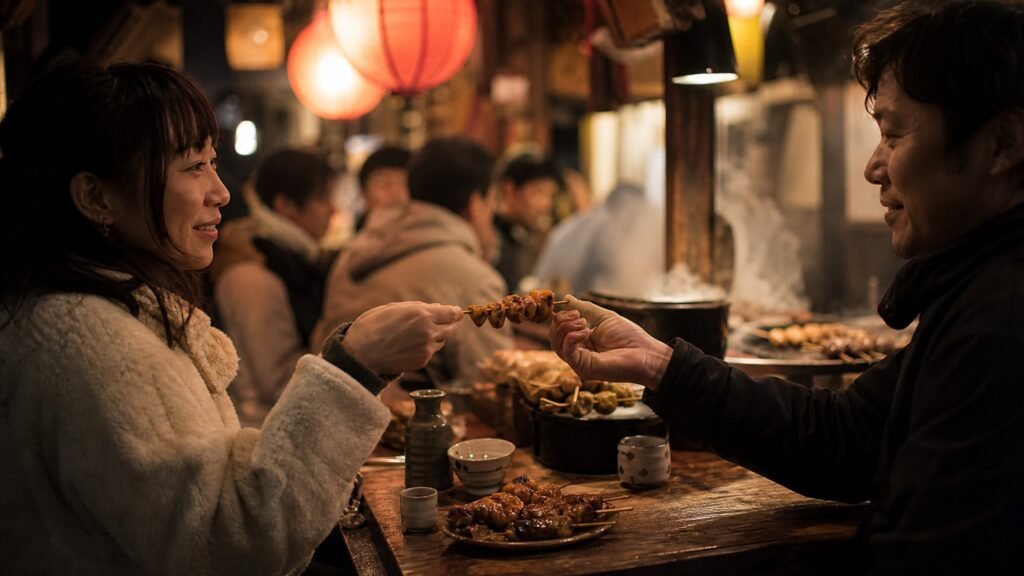
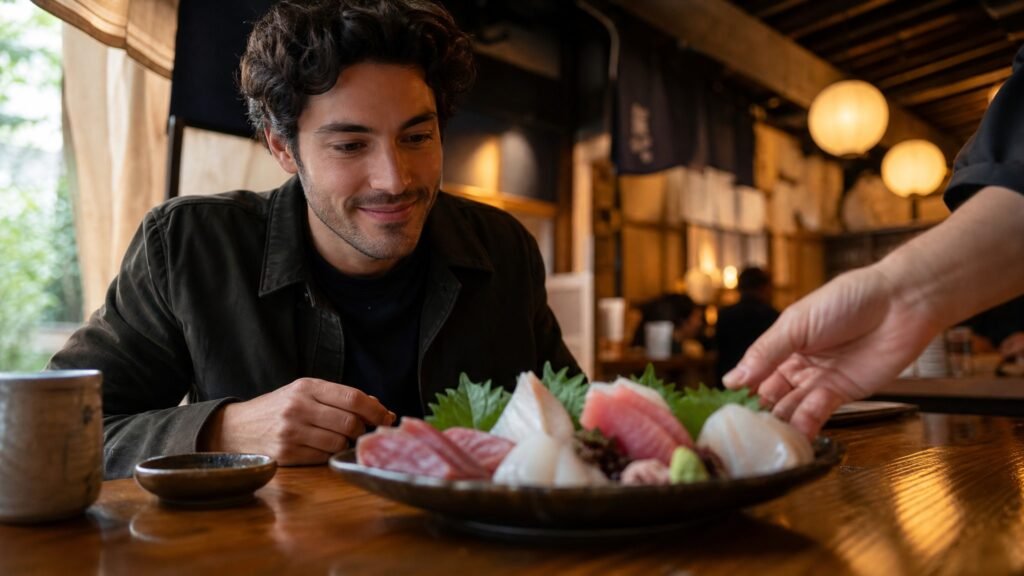
Grilled chicken skewers with salty tare sauce need a sake with enough acidity and structure to cleanse the palate between bites, without competing with the char. Fresh sashimi calls for clean, light profiles that respect the fish’s natural sweetness, while tangy pickles do better with slightly sweeter or softer sakes that balance their sharpness. For those avoiding meat or fish, our vegetarian-friendly food tours in Tokyo show that plant-based dishes offer just as many exciting pairing options across different sake styles.
These classic combinations exist because generations of drinkers refined them through trial and error, building templates you can apply anywhere. Understanding why they work lets you experiment confidently beyond the standard recommendations.
What to Expect on Our Local Sake Tours
We build every guided sake experience in Tokyo around one idea: no two groups share the same interests, tolerances, or dietary needs. Flexibility isn’t an add-on. It’s the foundation of how we operate, so your evening feels personally crafted instead of mass-produced.
Private vs. Group Tour Experiences
Private tours let you fully customize pace, venue, and duration, which suits enthusiasts wanting a deep dive into a specific brewing region or production method. Small group tours bring a different kind of energy, exposing you to questions you might not think to ask yourself and creating shared discovery among fellow travelers. Both formats include expert guidance and curated tastings, but the private option lets you linger longer at a favorite spot or skip categories you already know well.
You choose the level of intimacy and focus that fits your travel style, and we build the route around it. There’s no wrong choice, only the one that fits your group best.
Customizing Your Journey for Dietary Needs and Interests
Vegetarian and vegan guests get equal attention, because great sake pairing goes well beyond animal proteins into tofu, seasonal vegetables, and fermented specialties. Low-alcohol options and non-drinking alternatives are always available, and we adjust tasting portions so no one feels excluded or pressured. Take a look at our izakaya etiquette and ordering guide beforehand so you arrive ready to navigate the social customs comfortably, whatever your consumption preferences.
Tell us your needs when you book, and we’ll rebuild the itinerary around them. Hospitality means adapting to you, not forcing you into a preset mold. Everyone deserves to fully enjoy shared meals and drinks.
Essential Tips for First-Time Sake Drinkers in Japan
Knowing basic etiquette turns anxiety into appreciation and shows respect to the hosts welcoming you into their space. Pour for others before filling your own glass; self-pouring is considered a little lonely and breaks the communal spirit at the heart of Japanese drinking culture. Pace yourself by alternating with water or tea. Leaving a small amount in your glass signals you’ve had enough, no awkward verbal refusal needed.
Don’t worry about perfect pronunciation or remembering every term correctly. Sincere curiosity matters far more than flawless execution. Staff at traditional establishments genuinely appreciate international guests making the effort to engage with their craft, and they’ll guide you gently through any missteps. Relax, and trust that your goodwill speaks louder than any linguistic error ever could.
Booking Your Tokyo Sake Adventure
Planning ahead helps you lock in dates that line up with seasonal releases and your preferred tour format, especially during peak travel periods in 2026 and 2027. Private tours need longer lead times than group experiences, since we coordinate directly with small venues that limit capacity to protect the atmosphere. If you also want to explore broader evening nightlife and dining experiences, mention it when you inquire, and we’ll suggest complementary activities to round out your evening.
This isn’t a transactional booking process. It’s the start of a conversation about what you hope to discover in Tokyo’s sake scene. Reach out to our team with your ideas, questions, or vague aspirations, and let us help shape them into an evening that feels authentically yours.